How to Combine Safari in Serengeti with a Beach Holiday in Zanzibar Island
How to Combine Safari in Serengeti with a Beach Holiday in Zanzibar Island, Organizing a combination of Serengeti National Park and Zanzibar Island vacation offers an excellent fusion of terrestrial and marine ecosystems. Serengeti National Park is the origin of the great wildebeest migration, a seasonal event in which millions of wild animals, encompassing both carnivores and herbivores, migrate from Masai Mara National Reserve in Kenya. The great wildebeest migration is regarded as one of the world’s natural wonders by numerous adventure seekers globally.
Envision encountering the unadulterated splendor of Serengeti National Park, observing the magnificent wildebeest migration, and subsequently relaxing on the immaculate shores of Zanzibar Island. This combination provides an optimal fusion of activity and relaxation, rendering it an ideal vacation for both nature aficionados and beach enthusiasts. This essay will examine the specifics of trip preparation, encompassing expenses, optimal visiting periods, and anticipated experiences.
How To Plan Serengeti National Park and Zanzibar Island Holiday?
Day 1: Depart for Serengeti National Park
Following breakfast, you will be taken to Kilimanjaro International Airport to board your domestic flight. You arrive at the airstrip nearest to your lodging in Serengeti National Park.
Serengeti National Park is an expansive grassland featuring breathtaking vistas populated by numerous wild animals. Experience a game drive upon entering the park, where you may encounter various wildlife, including cheetahs, waterbucks, elands, zebras, lions, elephants, giraffes, buffaloes, rhinos, and more.
During the big wildebeest migration season, the likelihood of observing a diverse array of wildlife increases. The wildebeest migration typically occurs from June to September, coinciding with the dry season, which results in reduced grass height, enhancing visibility and increasing the likelihood of observing wildlife interactions in Serengeti National Park.
Register at your lodge
Day 2: Safari Expedition in Serengeti National Park
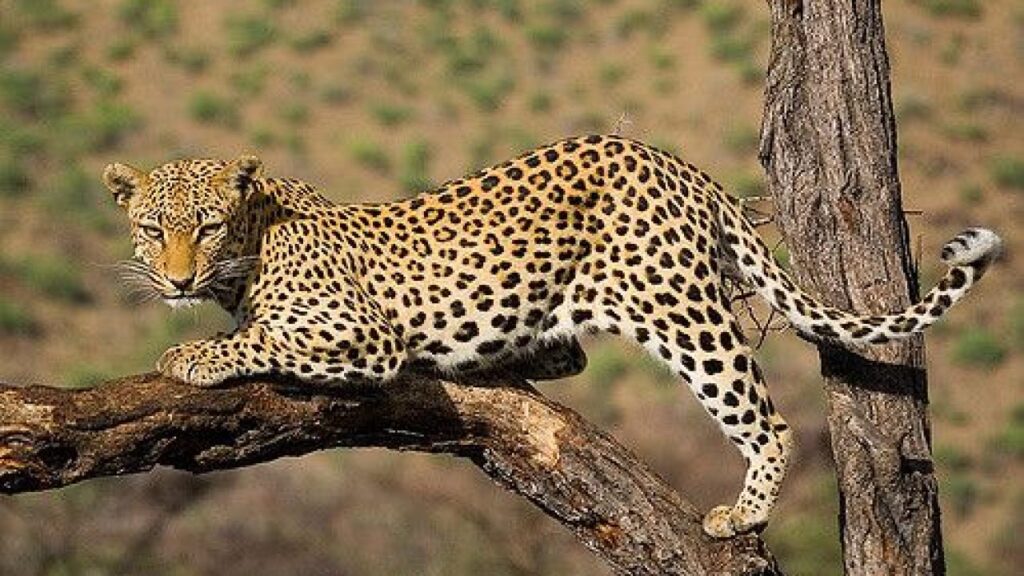
Wake Up early for breakfast and traverse the routes of Serengeti National Park. Observe many fauna in the park’s ecosystem, including elands, giraffes, waterbucks, bushbucks, rhinoceroses, elephants, gazelles, zebras, wildebeests, hartebeests, lions, leopards, hyenas, and more.
Enjoy in a hearty breakfast before continuing with another game drive to observe other wildlife that may have been overlooked the prior day.
Embark on an afternoon game drive to potentially observe further wildlife. Revert to the lodge
Day 3: Second Safari Expedition in Serengeti National Park
Awake early for another wildlife drive in the Serengeti National Park. Be vigilant for various species you may have overlooked the prior day. Appreciate the magnificent surroundings of Serengeti National Park.
Experience the multitude of wild animals that inhabit Serengeti National Park during the Great Wildebeest Migration season.
Day 4: Depart for Kilimanjaro National Park
Wakeup early and proceed to the airfield to board your aircraft to Kilimanjaro International Airport. Subsequently, connect with the domestic flight to Zanzibar Island. Register at your accommodation and unwind by the shore.
Day 5: Leisure at the Hotel in Zanzibar
Awaken for breakfast and proceed to the ocean to relish the day, where you may choose to partake in activities according to your interests and itinerary. Activities available at Zanzibar Island encompass snorkeling, scuba diving, swimming, and sunbathing. Pause for lunch and resume the activities with which you are at ease.
Day 6: Zanzibar Island
Post-breakfast, partake in various activities on Zanzibar Island, such as touring the historical slave collection sites, embarking on boat tours, sunbathing, scuba diving, visiting exotic markets, engaging with local communities, and more.
Day 7: Depart for Kilimanjaro International Airport.
Have breakfast and prepare to depart for Kilimanjaro International Airport to board your trip home.
What is the cost of a safari to Serengeti National Park and a visit to Zanzibar Island?
]The expense of a safari to Serengeti National Park, coupled with a beach vacation on Zanzibar Island, might fluctuate significantly based on the degree of luxury and the length of your visit. The off-peak tourism season brings fewer individuals for safaris in Serengeti National Park and holidays on Zanzibar Island. The off-peak tourism season in Tanzania typically occurs in March, April, May, and November.
If you desire uninterrupted periods on a safari holiday, the low season may offer that possibility. The low season may offer exclusive access and reduced vehicle presence in Serengeti National Park.
If you have a constrained budget yet desire to embark on a safari to Serengeti National Park and Zanzibar Island, the low season may present an opportunity, since service providers occasionally reduce their prices to achieve equilibrium.
What is the best time for a holiday in Serengeti National Park and Zanzibar Island?
The optimal period to visit Serengeti National Park is during the dry season, from June to October, aligning with the great wildebeest migration. This timeframe provides exceptional wildlife observation chances. The optimal time to visit Zanzibar Island is from June to October and from December to February, when the climate is warm and arid, ideal for coastal activities.
Is it possible to observe the Big Five in Serengeti National Park?
Indeed, Serengeti National Park ranks among the premier locations in Africa for observing the Big Five: lions, leopards, elephants, buffaloes, and rhinos; but, their sighting is not assured. The park’s expansive plains and varied ecosystems provide as a habitat for these emblematic animals, establishing it as a premier location for a wildlife safari in Tanzania.
Is it possible to observe whales while vacationing in Zanzibar Island?
Whale sightings are possible during a holiday in Zanzibar Island. Observing whales is not assured due to their seasonal nature. The optimal period for whale viewing is from July to October, coinciding with the migration of humpback whales through the waters surrounding Zanzibar. This introduces an exhilarating aquatic aspect to your coastal vacation.

How to Arrange a Safari to Serengeti National Park and Zanzibar Island Vacation?
Choose a date for your Tanzania Safari booking and choose the parameters, including Serengeti National Park, Zanzibar Islands Holiday, number of travelers, duration of stay, and further information.
Please submit a query containing these details, and our tour expert will respond with all pertinent information.
Upon receiving the pricing of this Tanzania safari, please select your preferred travel budget: Luxury, Mid-range, or Basic.
We recommend that clients secure their accommodations in advance in both Serengeti National Park and Zanzibar Island, particularly during the dry season when demand for safari activities increases. Choose your preferred mode of transportation for the Tanzania safari and make reservations in advance.
Is it safe to vacation in Zanzibar Island and Serengeti National Park?
Indeed, it is secure to vacation in both Zanzibar Island and Serengeti National Park. Both locations are prominent tourist sites with robust infrastructure and security protocols implemented. It is prudent to adhere to travel advisories and implement standard precautions. Tourists are advised to observe the regulations governing game drives in Serengeti National Park, including refraining from walking within the park, adhering to the prescribed speed limit, and remaining inside lodges at night, among other guidelines.
While on Zanzibar Island, refrain from swimming in the deep waters of the ocean if you are not a proficient swimmer. Ensure the security of your possessions and refrain from counting substantial amounts of money in public, as it may draw undesirable attention.
What Are the Regulations Governing Safaris in Serengeti National Park?
Adhere to the speed limit on game drives in Tanzania’s national parks to avert accidents involving both wildlife and humans. Off-road driving is prohibited unless authorized by the Tanzania Wildlife Management Authority.
Do not disturb wild animals by hooting, as this may force them to flee, depriving other tourists of the opportunity to see them, as you wish to do. When you observe them crossing, halt and await their passage. Certain individuals may charge at you upon hearing the automobile horn, which poses a threat.
Refrain from bringing dogs or other pets into the park, as the risk of infection from wildlife or domestic animals poses a significant threat to conservation efforts.
Retain all your waste, such as plastic wrappers, within your vehicle, as these materials disrupt the ecological conditions essential for animal survival.
Possessing ammunition in the park is unacceptable since it may provoke its usage, resulting in harm to wildlife or those in your vicinity.
Avoid picking flowers or trampling vegetation in parks, as it damages the habitat of wildlife. Refrain from collecting any items from the park; instead, capture photographs during the safari and leave only tire tracks from the car.
Preserve all official receipts for verification upon departure to avoid any difficulty.
All park gates are accessible from 0700 to 1900 hours.