
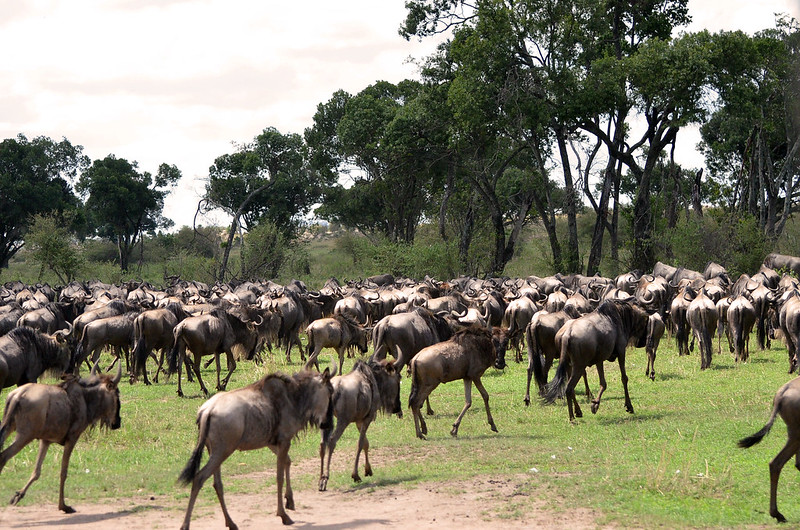
Wildebeest Migration in the Seronera Region
Wildebeest Migration in the Seronera Region: The Seronera sector in Serengeti National Park is renowned for its remarkable wildebeest migration experience. In the height of migration season in Seronera, around 2 million wildebeest traverse the abundant Mara-Serengeti environment. The wildebeest migrates alongside other herbivores in pursuit of grazing grounds and water sources. The Great Migration transpires annually, however various events unfold during distinct parts of the months. The optimal period to explore the Seronera region for observing the Great Migration and large felines is around December, January, February, April, and June.
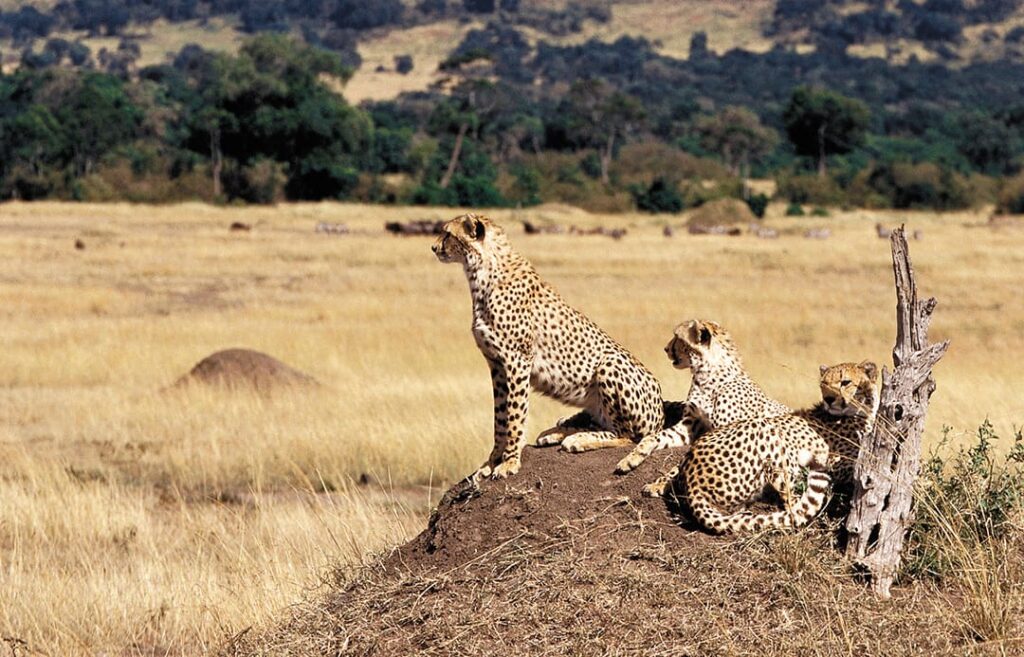
The Seronera constitutes the Southern and Central region of the Serengeti, encompassing the Seronera Valley, which the Maasai refer to as the Serengeti (the country of endless plains). This location boasts breathtaking savannas and acacia, making it one of the most remarkable visitor destinations in Serengeti National Park. During the wildebeest migration in the Seronera region of Tanzania, anticipate encountering notable big cat families, including cheetahs, leopards, lions, and hyenas. Seronera is the primary source of water from the Seronera River. A significant aggregation of animals in the Serengeti encompasses zebras, wildebeests, gazelles, elephants, and many antelope species.
The Seronera Valley include woodlands, savanna plains, and acacia trees. In addition to the large felines, wildebeests, and zebras, the Seronera region is home to various other fauna, including cape buffaloes, hippopotamuses, topis, impalas, and more species.
What is the cost for watching the wildebeest migration in Seronera?
The expense of witnessing the Great Migration in Seronera fluctuates based on critical aspects such the kind of lodging, duration of stay, lifestyle choices, and transportation costs. The typical cost of the Great Migration tour is from USD 2000 to USD 4000 per individual.
Is the Seronera Great Migration worthwhile?
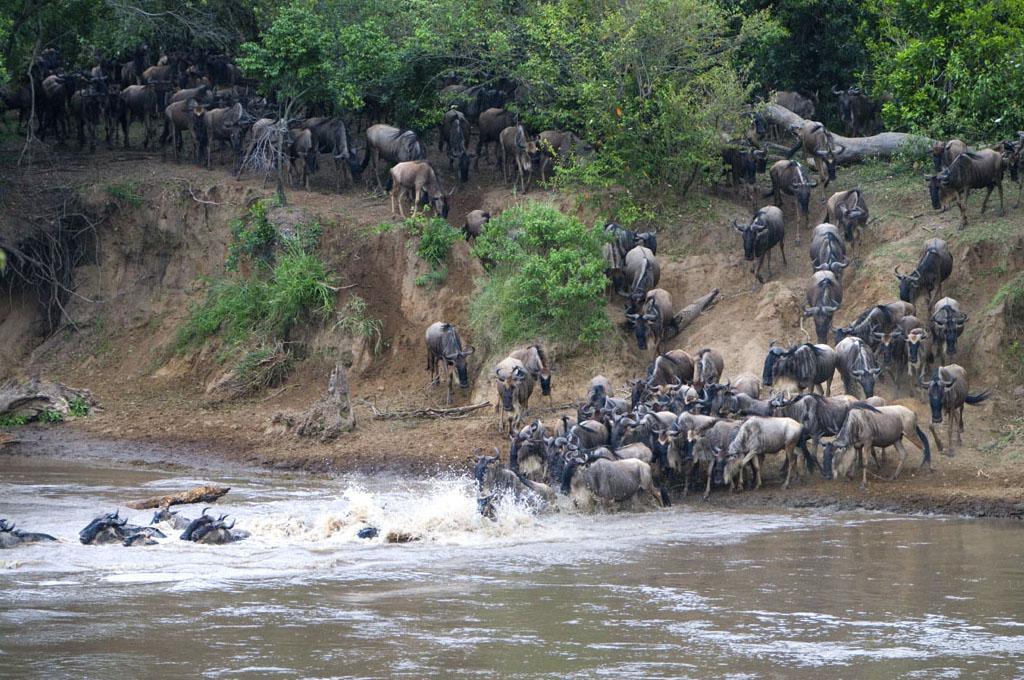
Visiting Seronera in Serengeti National Park to witness the great migration is invaluable. This is a once-in-a-lifetime experience, best appreciated in Tanzania and Kenya. The most notable feature is the formidable river crossing.
What is the duration of the great migration?
The wildebeest migration is sometimes perceived as an annual phenomenon; yet, it transpires continuously in reality. The movement centers on the ecosystems of Tanzania and Kenya, following a circular trajectory. The big migration might span up to 1200 miles within a year. Following calving, the wildebeest embarks on an extensive journey of over 800 km, with movement typically commencing between April and early June.
What is the best month to observe the great migration?
The most suitable time to observe the great migration is from July to November. In July and August, the wildebeest migrate to the Masai Mara in Kenya, with the most significant event being the crossing of the Mara River.
Additional pursuits in the Seronera region
Guided game drives.
Game drives in the Seronera provide an immersive experience in the Serengeti plains while seeking various savanna species. This location is renowned for wildlife encounters, particularly with zebras, elephants, elands, Cape buffaloes, waterbucks, giraffes, and other bird species. Seronera game drives are offered for a whole day or during the morning and afternoon sessions.
While traversing the Seronera, anticipate encountering a variety of large felines and predators, including leopards, cheetahs, and lions. These can be observed as they traverse the broad savanna grassland in the Serengeti National Game Park during their daytime hunting activities. While you partake in your game drive, be aware that feeding wildlife is strictly forbidden.
Birding tours
The Seronera region offers a distinctive bird-watching experience. The variety of avian species is observable. Bird-watching excursions in the Seronera region offer the opportunity to observe 500 kinds of birds, including the grey-chested helmet shrikes, yellow-throated sand grouse, hornbills, and woodpeckers.
Additional avian species comprise the blue-billed teal, knob-billed duck, white-faced whistling-duck, spur-winged goose, yellow-billed duck, Egyptian goose, harlequin quail, red-necked spurfowl, Hildebrandt’s spurfowl, red-winged francolins, greater flamingos, lesser flamingos, laughing doves, speckled pigeon, and emerald-spotted wood dove;
Other avian species to identify during the birding excursion include Kori bustards, black-faced sand grouse, chestnut-bellied sand grouse, various nightjars (freckled, square-tailed, and slender-tailed), swifts (mottled, African, little, and Nyanza), lesser moorhen, black crake, Eurasian moorhen, spotted thick-knee, black-winged stilt, pied avocet, and small buttonquail.
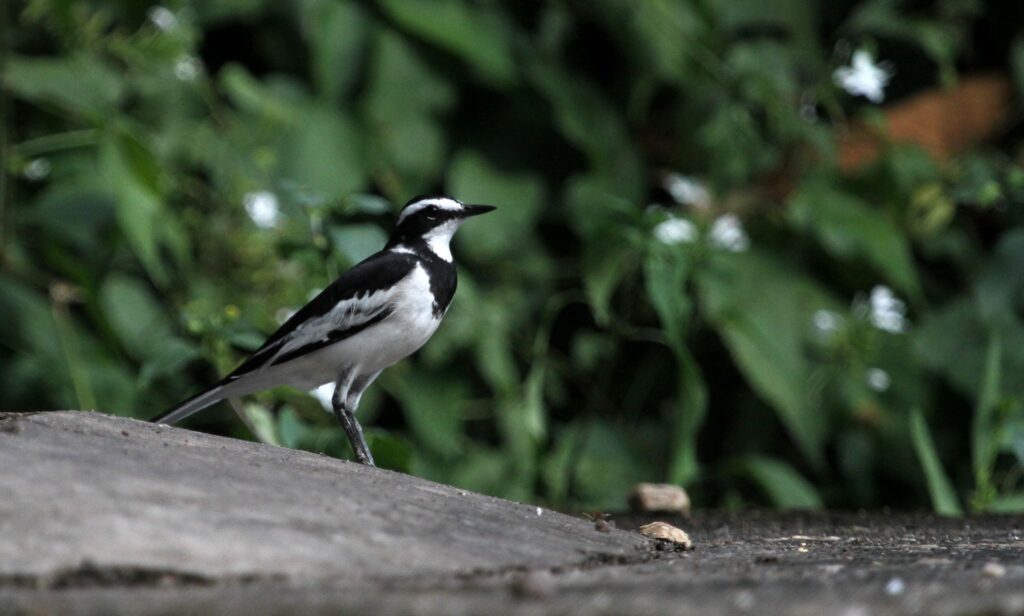
Bird species observable include the three-banded courser, collared pratincole, black-headed gull, bronze-winged courser, Temminck’s courser, African woolly-necked stork, Abdim’s stork, wood hoopoes, among others. The optimal months for avian observation in Seronera are about November and April. This is the period when avian enthusiasts may encounter migratory bird species.
Additional attractions to discover in Seronera include Kopjes: These comprise the Simba kopjes, which are prime locations for observing lions. Kopjes are generally rock outcrops frequently observed during safaris in Serengeti National Park.
Seronera Valley:
This is the most popular option for encounters with big cats. Other predators observed in this region comprise serval cats, jackals, hyenas, and caracals.
Unique cultures and people:
The hospitable Masai people reside near to the Serengeti. A cultural trip in Serengeti National Park is an ideal means to investigate the unique culture, traditions, and practices while providing amusement.
Maasai People
The Maasai are renowned for their distinctive native arts and crafts, like as earrings, beaded necklaces, and shuka belts. Maasai cultural excursions can be integrated with most of the exhilarating activities offered at Serengeti National Game Park, including game viewing, birdwatching, and additional pursuits.
Accommodation options in the Seronera Region for the Great Migration and other safaris
Guests have a diverse selection of pleasant lodging options available in and around the Seronera region. The list include Lake Ndutu Luxury Lodge, Chaka Camp, Ndutu Wild Frontier Camp, Naabi Extra, Hugo Memorial Camp, Sanctuary Camp Kusini, Nasikia Camp, Halisi Camp, Masek View Lodge, Kati Kati Camp, Kakakuoana, and Wildland Camp.
Where to stay in the Seronera Region on Great Migration and other safaris
The northern region: This location is predominantly known as the Lobo area and constitutes a segment of the Serengeti. The Lobo region features stunning vistas and a variety of fauna. This region is home to elephants, zebras, lions, hippos, wildebeest, giraffes, and many antelope species. In the Lobo region (northern sector), accomodation options include Alex Walker Serian, Lemala Mara Camp, Lamai Camp, Lobo Wildlife Lodge, Serengeti Under Canvas, Lemala Kuria Hills, and Sayari Camp.
The Eastern Sector is optimally explored throughout October and November. During these months, the wildebeest migrate back to Serengeti National Park to graze on the verdant meadows. The Eastern sector is situated east of the Grumeti River and is renowned for its exceptional vistas, particularly for predators. Recommended overnight accommodations in the Eastern sector comprise Lobo Wildlife Lodge, Lemala Nanyukie Tented Lodge, Serengeti Explorer Camp, Migration Camp, and Klein’s Camp.
Essential items to carry for a safari in Seronera, Tanzania
Pack efficiently, starting with fundamental goods such a rain jacket, sunscreen, a medical kit/medication, insect repellent, binoculars, a long-sleeved shirt, long pants, and a sweater. Your packing list should include a safari hat, a lightweight daypack, a quality camera, warm clothing, and additional items.