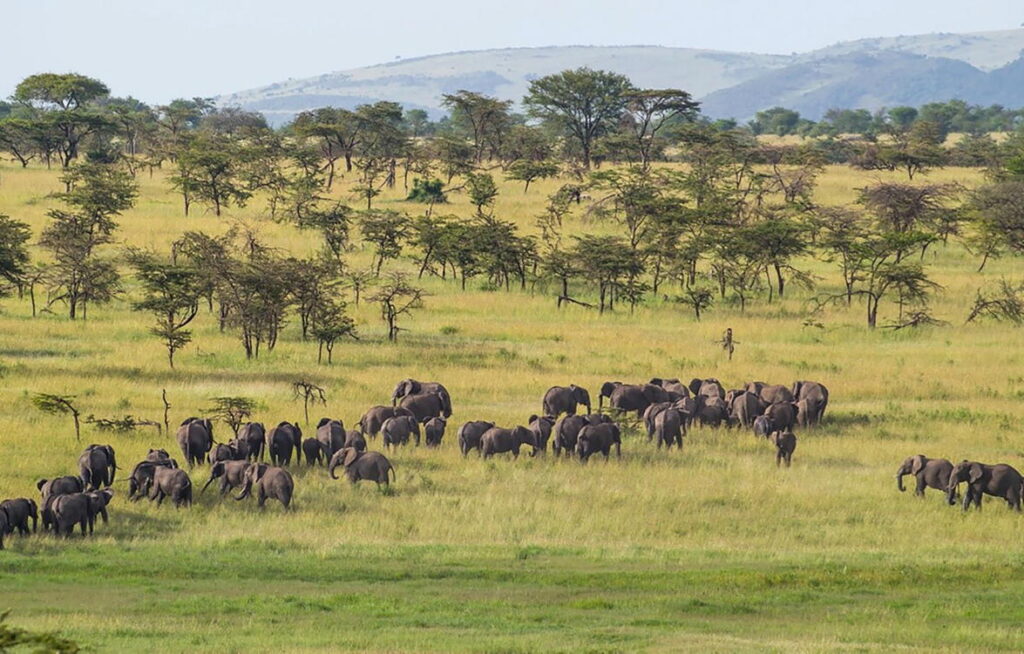
Largest National Parks Reserves In Tanzania
Largest National Parks Reserves In Tanzania, Tanzania is a premier safari destination in Africa, with some of the continent’s largest national parks and game reserves. These vast conservation areas include internationally recognized wildlife populations, stunning landscapes, and cultural excursions that have established Tanzania as an ideal destination for adventurous and nature-oriented travelers.
The national parks of Tanzania are abundant and impressive, featuring vast savannah plains, dense forests, volcanic craters, and remote wilderness areas. This is a comprehensive overview of the largest national parks and reserves in Tanzania and the reasons they should be included on every traveler’s bucket list.
Serengeti National Park – The Marvel of the Great Migration
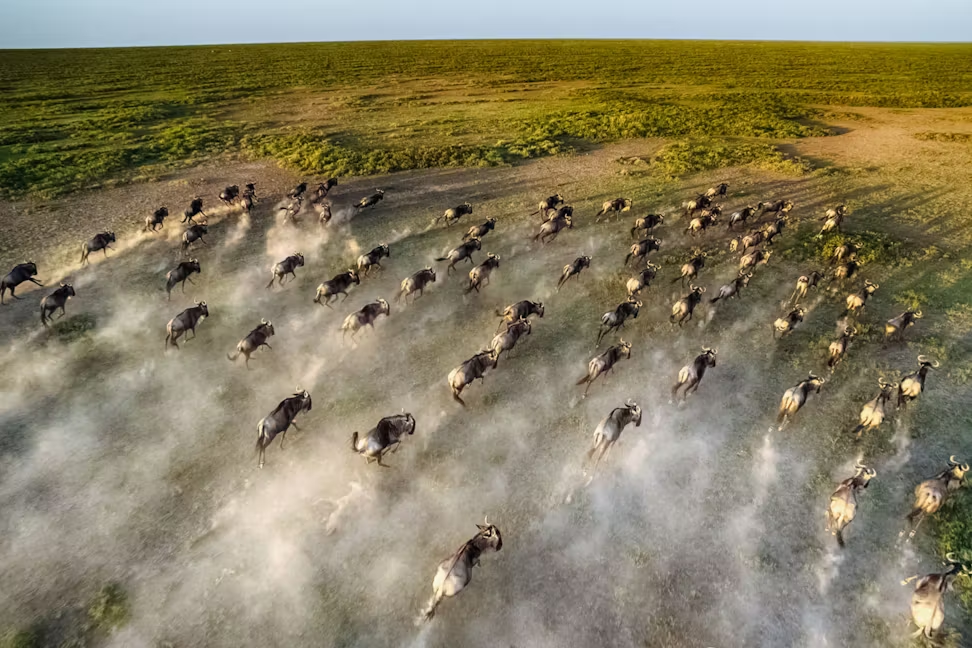
Serengeti National Park is arguably the most renowned and one of the largest parks in Tanzania, including around 14,750 square kilometers. The Serengeti is renowned worldwide for the Great Migration, during which around 1.5 million wildebeests, together with zebras and gazelles, traverse the plains in pursuit of fresh grazing grounds. This spectacle attracts people around, eager to see dramatic river crossings and predator-prey interactions.
Aside from the migration, the Serengeti offers year-round game viewing opportunities. This UNESCO World Heritage Site hosts lions, cheetahs, leopards, elephants, giraffes, and several avian species. The region features vast open grasslands dotted with acacia trees and granite kopjes, evoking the classic African safari experience.
Ruaha National Park is the largest park in Tanzania.
Ruaha National Park, located in central Tanzania, is the largest national park in the country and one of the largest in Africa, encompassing over 20,000 square kilometres. The park is less frequented than the Serengeti, which imparts a sense of exclusivity and wilderness to travelers, despite its vast expanse.
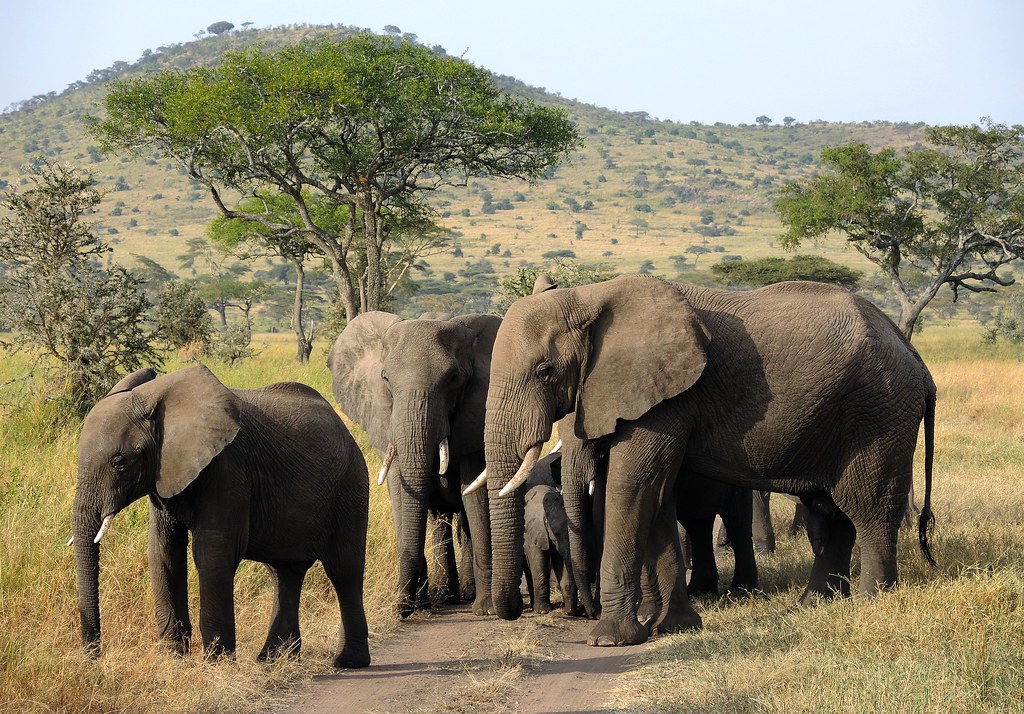
Ruaha is home to the greatest elephant population in Tanzania and one of the most substantial lion prides in East Africa. Visitors may observe leopards, wild dogs, kudu, sable antelopes, and over 570 species of birds. The park’s most notable feature is the Great Ruaha River, which attracts wildlife, especially during the dry season, providing an exceptional game-viewing opportunity for intrepid tourists seeking an unconventional safari experience.
Selous Game Reserve (Now Nyerere National Park)
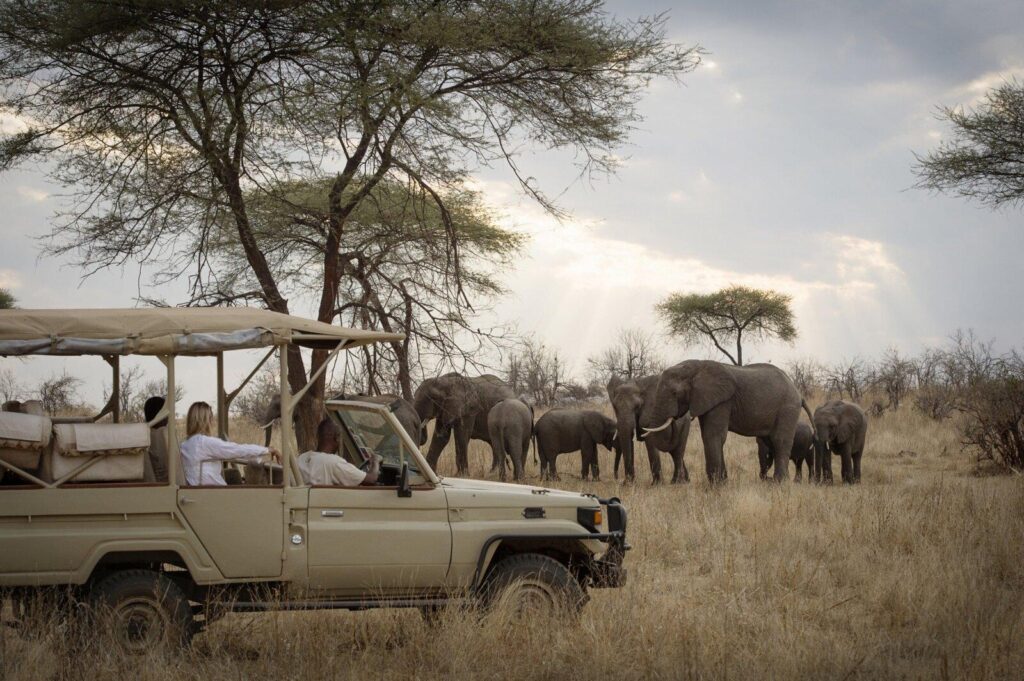
The Nyerere National Park, formerly known as the Selous Game Reserve, encompasses around 30,000 square kilometres, rendering it one of the largest protected regions in Africa. The park is situated inside the UNESCO-listed Selous ecosystem, featuring diverse landscapes like as woods, savannahs, wetlands, and the Rufiji River system.
Nyerere is particularly esteemed for its boat safaris on the Rufiji River, allowing travelers to observe hippos, crocodiles, and diverse avian species up close. The park is inhabited by wild canines, elephants, buffalo, giraffes, and several predators. Its remoteness and expanse facilitate a more personal safari experience in Tanzania compared to the congested northern circuit.
Katavi National Park – Remote and Untamed
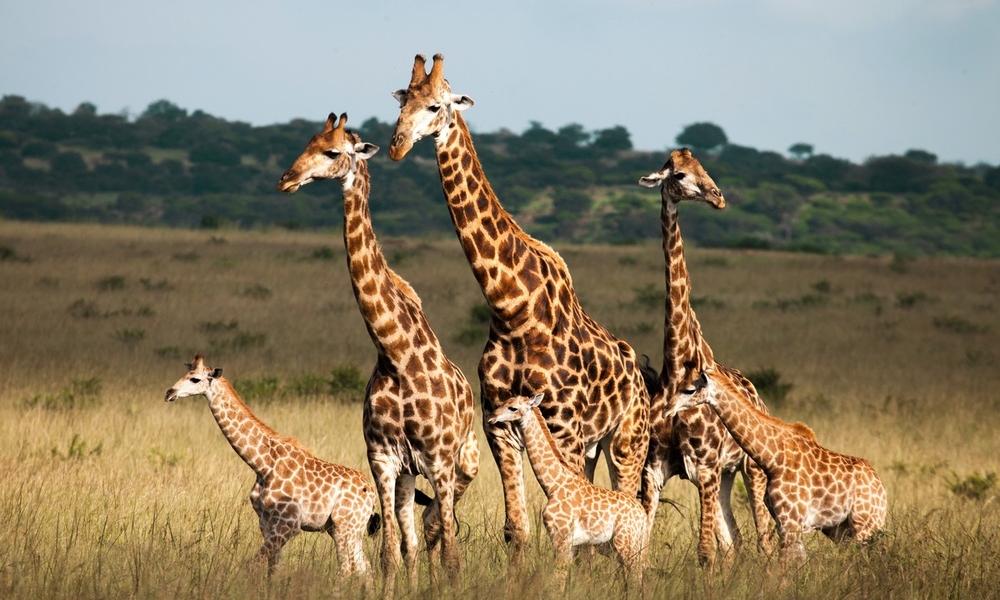
Katavi National Park is located in western Tanzania and encompasses an area of approximately 4,471 square kilometers. Katavi is among the least frequented parks in Tanzania and is far smaller than Ruaha or Serengeti, however it offers an authentic wilderness experience.
The Katavi floodplains desiccate into pools teeming with hippos and crocodiles throughout the arid season, creating magnificent wildlife spectacles. Large assemblages of buffalo, elephants, and topi gather in this location, while predators such as lions and hyenas follow closely behind. Katavi’s inaccessibility makes it an ideal resort for travelers seeking isolation and exclusivity un nature.
Mikumi National Park – The Accessible Wilderness
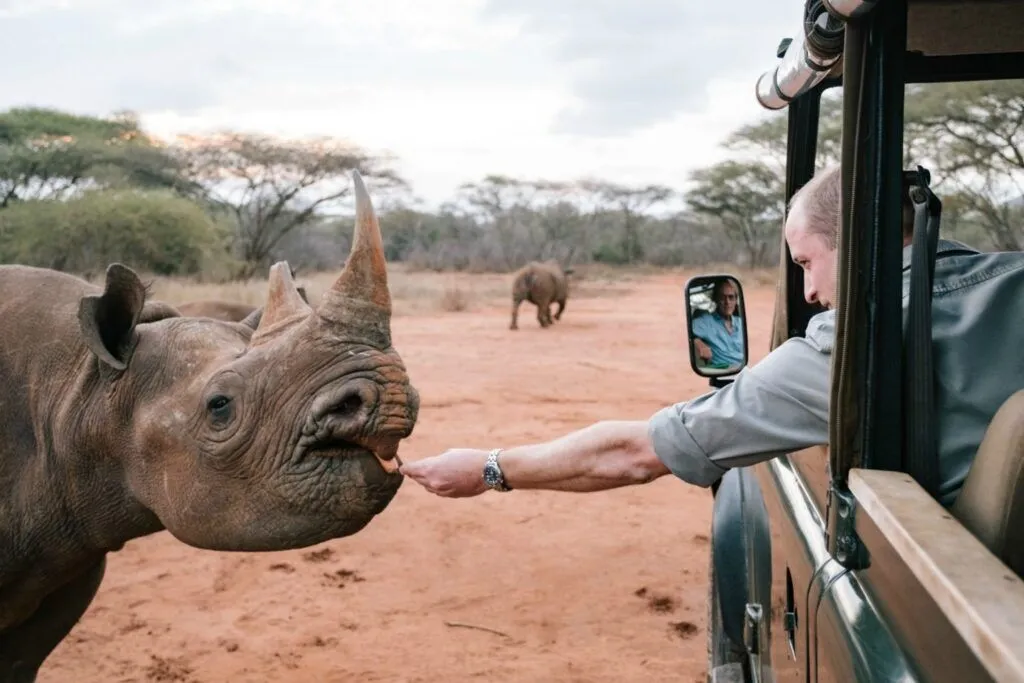
Mikumi National Park, spanning 3,230 square kilometres, is one of the most accessible parks in Tanzania, conveniently located near Dar es Salaam. Mikumi, often referred to as a little Serengeti, features expansive plains and a diverse array of wildlife, including elephants, giraffes, wildebeests, zebras, lions, and hippos.
Its proximity to the city makes it a preferred choice for individuals seeking brief Tanzania safaris or weekend retreats. Visitors can partake in game drives and birding, set against the picturesque backdrop of the Uluguru Mountains and undulating hills.
Tarangire National Park – Elephants and Baobab Trees
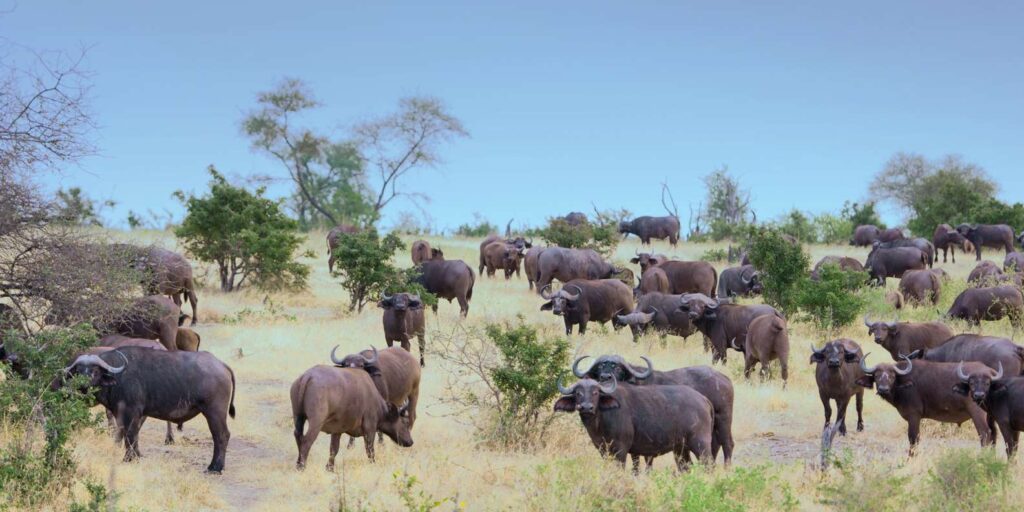
Tarangire National Park, covering around 2,850 square kilometers, is smaller than Ruaha or Serengeti, nevertheless is known for its elephant populations and baobab trees. Tarangire, located in northern Tanzania, is integral to the safari circuit, renowned for exceptional wildlife observation, particularly during the dry season when animals gather along the Tarangire River.
Ngorongoro Conservation Area – The Cradle of Life
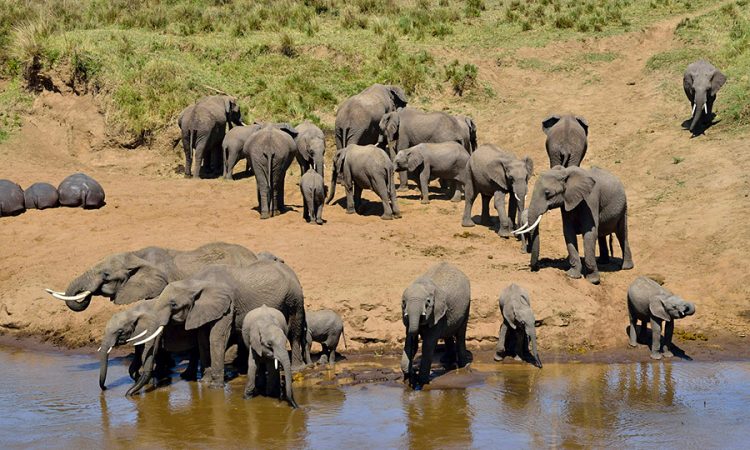
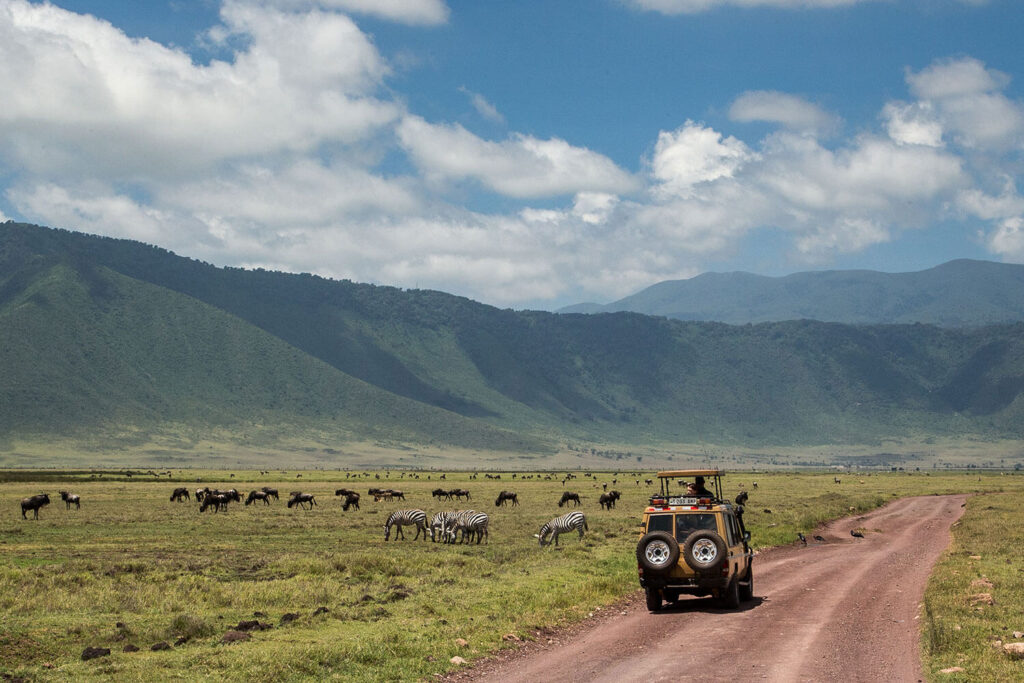
The Ngorongoro Conservation Area, while not a national park, is a UNESCO World Heritage Site and ranks among the most renowned reserves in Tanzania. It encompasses an area of roughly 8,292 square kilometers, featuring the illustrious Ngorongoro Crater, the largest intact volcanic crater globally.
The crater serves as an extraordinary home for animals, including lions, elephants, rhinoceroses, buffalo, and thousands of wildebeests and zebras. It is one of the rare sites where tourists have a significant likelihood of encountering the Big Five in a single day. The location is culturally significant, as the Maasai coexist together with the wildlife.
The Justification for Exploring the Largest Parks and Reserves in Tanzania
The major national parks and reserves in Tanzania provide exceptional wildlife encounters in Africa, among diverse landscapes and experiences. Whether it is the magnificent migration of the Serengeti, the elephant populations of Tarangire, the seclusion of Katavi, or the boat safaris in Nyerere National Park, each of these locales possesses a unique allure.
Tourists may choose between the northern circuit, which includes Serengeti, Ngorongoro, and Tarangire, or the southern and western circuits, offering more unconventional experiences in Ruaha, Nyerere, and Katavi. The amalgamation of diverse parks enhances travelers’ Tanzanian safari experience.
Final Assessment
Tanzania possesses extensive and diverse national parks and reserves, rendering it a preferred destination for safari enthusiasts. Each park possesses distinct characteristics, whether it features a globally acclaimed wildlife exhibition or an outdoor expedition. For travelers seeking an unforgettable Tanzania safari, the extensive protected regions of Tanzania provide distinctive encounters with wildlife, breathtaking scenery, and cultural richness that will linger in mind long after the journey concludes.