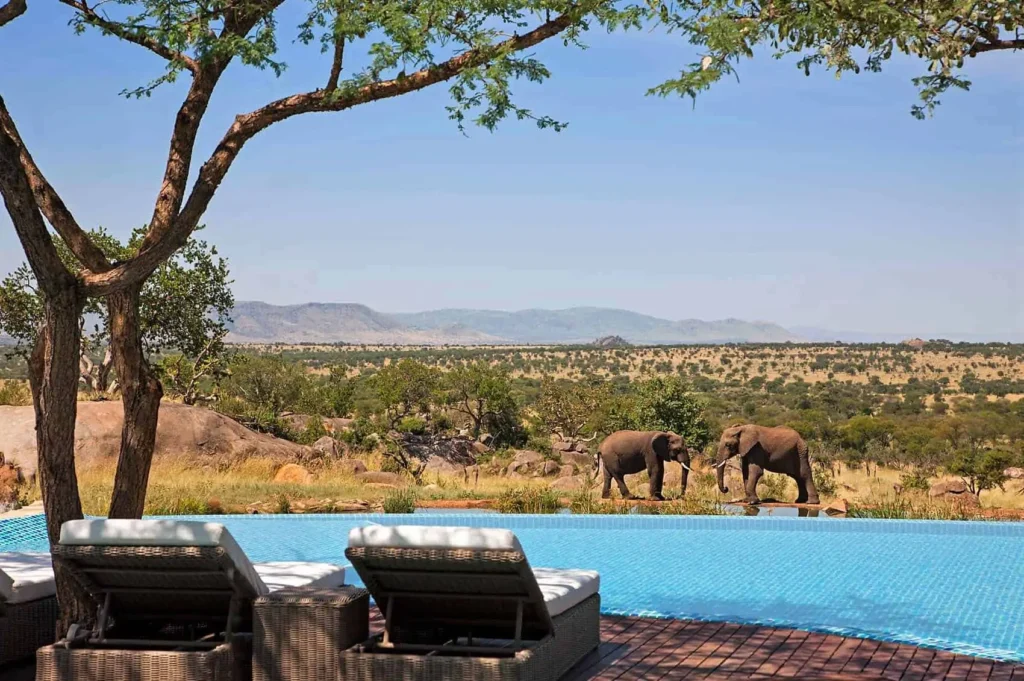
The Endless Plains of Great Serengeti
The Endless Plains of Great Serengeti: Tanzania is a favorite tourist destination for nearly every safari lover seeking diverse activities. This fascinating nation encompasses Serengeti National Park, a remarkable reserve in the northern region, renowned for the extraordinary natural phenomenon known as the Great Wildebeest Migration. The term Serengeti originates from the Maasai word “Siringet,” which signifies unending plains.
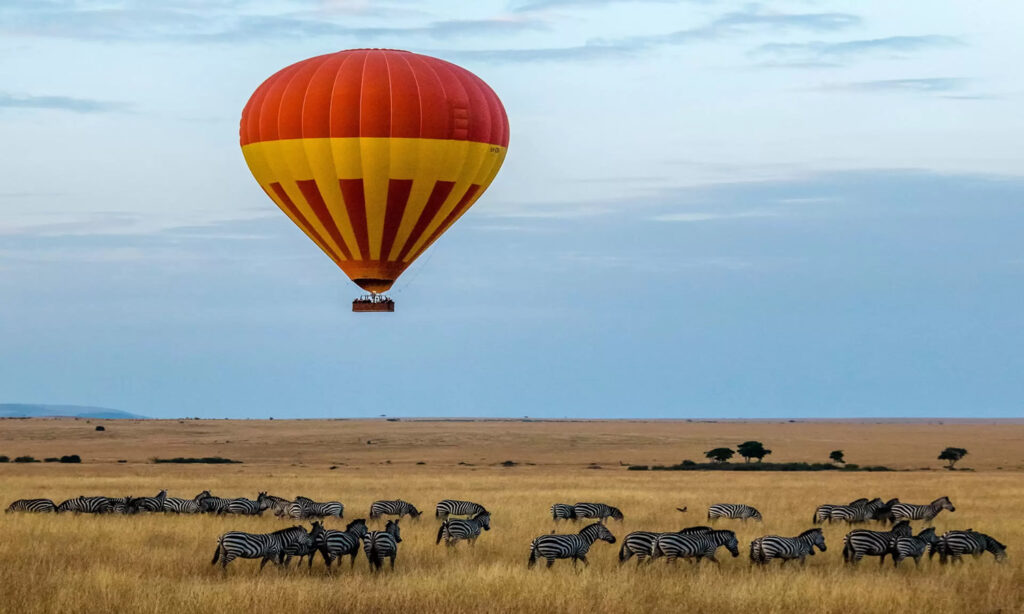
The expansive Serengeti grasslands extend to the northern boundary of Kenya and Tanzania. The primary components of Serengeti National Park are woodlands, grasslands, and kopjes. If you like to explore this magnificent park, there are numerous hidden treasures and essential sights in the Serengeti. These concealed treasures are infrequently observed in other parks around Tanzania and Africa as a whole. The Great Migration is one of these phenomena. This constitutes the largest migration of mammals on the planet. Approximately 1.5 million wildebeests, around 500,000 zebras, and roughly 250,000 gazelles migrate seasonally from the south to the north. This exhilarating event is observed by thousands of tourists each year. You may join their ranks if you desire. You must schedule the appropriate time for the individual event you wish to attend. The optimal period to visit the Serengeti is during the dry season, which occurs from June to September.
The Great Migration encompasses several significant natural events across several locales, including the calving season, the crossing of the Grumeti River, and the crossings of the illustrious Mara River. The calving season occurs in February. Approximately 500,000 calves are born. At current time, the majority of the mobile camps are located in this region. You are likely to observe wildebeests giving birth to well-adapted calves that grow physically fit within a few hours after birth. Predators also move south to hunt freshly born calves or parturient wildebeests. Between April and May, the southern plains of the Serengeti experience a depletion of lush pastures, prompting the herd to migrate eastward.
In the eastern plains and kopjes, certain members of the herd, particularly Thomson’s gazelles, separate from the group and enter the Ngorongoro Crater. The herd migrates from the eastern plains to the Western Corridor of the Serengeti, traversing the enchanting Grumeti River. While the Grumeti River lacks the renown of the formidable Mara River, it provides spectacular vistas of wildlife. This is the inaugural significant impediment to the Great Migration. Starving crocodiles and turbulent seas claim numerous wildebeest lives. Nile crocodiles exploit vulnerable, emaciated wildebeests for sustenance. The Mara River Crossings constitute another remarkable event during the Great Migration. This is a remarkable and singular event in which the herd confronts its second most significant challenge. It occurs between July and August. This is an exhilarating and essential experience for all participants in this monumental movement. The Mara River is inundated with several visitors capturing this extraordinary event by video, recording, and photography.
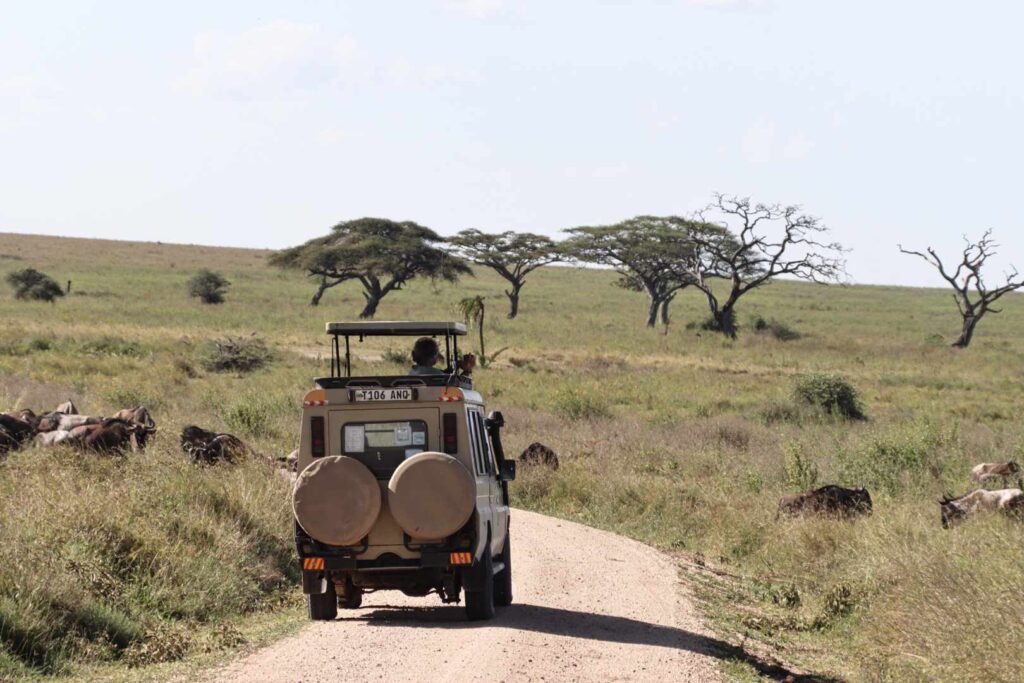
The Moru Kopjes is another hidden treasure in the Serengeti. Moru Kopje, situated in the center Serengeti, is reputed to provide picturesque vistas of the endangered black rhino. The population of black rhinos in Tanzania has diminished since the 1980s. However, the government’s initiatives in 2019 to transport approximately six rhinos from South Africa to the Serengeti have enhanced the likelihood of encountering this seldom observed species. A rhino viewing excursion in Moru costs approximately TSHS 100,000 per person for East African citizens and around USD 100 per person for non-East African citizens and expatriates. The Big Cats inhabit this region, concealing themselves in the kopjes while seeking prey. A journey to Moru Kopjes will provide you with an indelible experience.
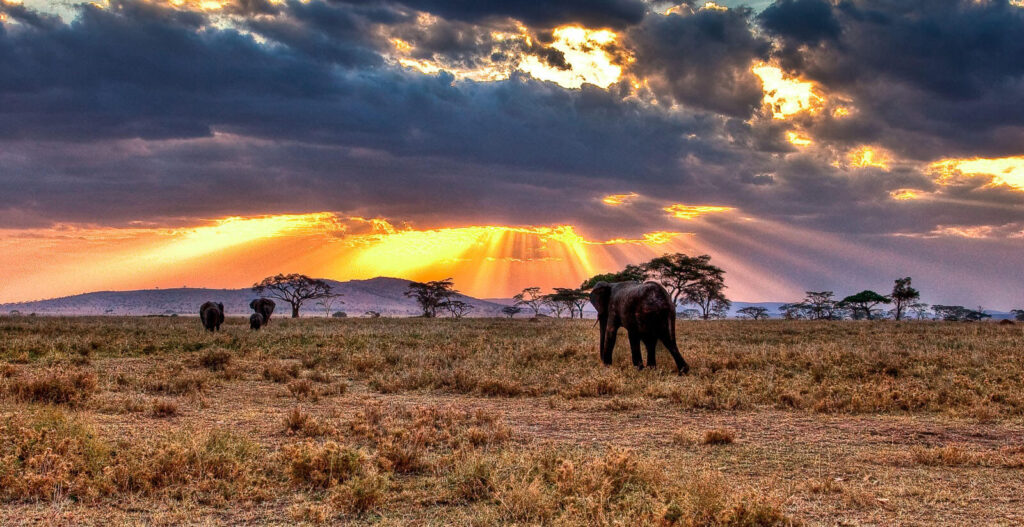
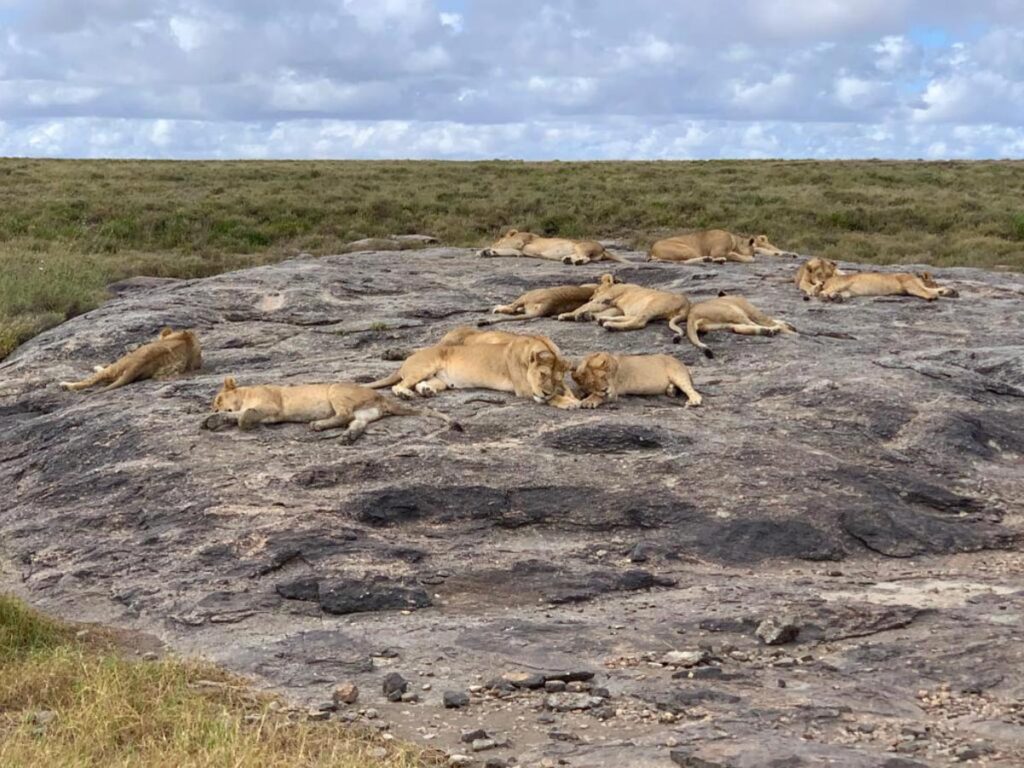
Another secret treasure is the Big Five animals: rhinoceros, elephant, buffalo, leopard, and lion. The Serengeti is one of the few renowned parks in Tanzania where one may observe all of the Big Five species. In the expansive grasslands, the king of the jungle, the lion, is frequently observed resting with pride members. Elephants are typically found in woods and tall grasslands, where they graze. The largest terrestrial mammal possesses intelligence attributed to its substantial brain size. The African leopard resides in the kopjes of Moru, Simba, and Gol. If you are fortunate enough to observe its remarkable kills, you will be astounded by its exceptional hunting strategies. In the expansive grasslands and shrubbery, one may observe the magnificent bush cows grazing in substantial herds. Black rhinoceroses can be observed in shrublands and short woods. It is less sociable and prefers to blend in with low shrubs and underbrush.
The bird life is another remarkable treasure in the Serengeti. The Serengeti plains are home to more than 550 vibrant bird species. Exotic bird species are endemic to the Serengeti, indicating that they can only be found in the Serengeti National Park. The following is a list of these avian species: Gray-crested francolin, grey-breasted spurfowl, Tanzania red-billed hornbill, and Rufous-tailed weaver. Other species are only indigenous to Tanzania. They can be observed in several places throughout Tanzania. Consequently, Serengeti is the premier location for observing these magnificent birds. Illustrations of these avian species include the Usambiro barbet, gray-crested helmet shrike, Schalow’s turaco, red-throated tit, Karamoja apalis, Hildebrandt’s starling, Abyssinian wheatear, Jackson’s widowbird, Swahili sparrow, and Southern grosbeak-canary. A multitude of avian species inhabiting the Serengeti grasslands will enhance your journey significantly. The list comprises the ostrich, African fish eagle, lilac-breasted roller, black-headed gonolek, helmeted guineafowl, crested guineafowl, lesser flamingo, Kori bustard, Hartlaub’s bustard, African cuckoo, pennant-winged nightjar, gray-crowned crane, marabou stork, secretary bird, black heron, grey-backed fiscal, silver bird, yellow-throated sandgrouse, among numerous others. The Serengeti hosts several migrating bird species from November to April. The Western Corridor offers an exceptional birdwatching experience due to its riverine woods, which are highly appealing to exotic avian species.
The wildlife represents a concealed treasure in the Serengeti plains. The Serengeti is an extraordinary wildlife sanctuary in Africa. This magnificent park hosts more than 35 species of plains animals, including spotted hyenas, wildebeests, cheetahs, baboons, giraffes, warthogs, waterbucks, eland, civets, African wild dogs, topis, zebras, impalas, Grant’s gazelles, buffaloes, reedbucks, oribis, bushbucks, foxes, jackals, and duikers. Wildebeests, zebras, gazelles, and other ungulates such as eland are often observed on the southern plains. Predators, particularly large felines and jackals, are often observed in the kopjes such as Moru, Gol, and Simba Kopjes. Spotted hyenas are typically observed in medium-sized groups in open grasslands following ungulates such as dik-diks and within woods. Thomson’s gazelles are predominantly found in the eastern grasslands from June to September during their northward migration to the Endless Plains of the Great Serengeti.
Hippos and crocodiles are also observed in the Serengeti. Retina Hippo Pools is a fantastic location for observing these aquatic behemoths. They materialize as dark apparitions. Hippos are also observed in the Grumeti River, Mara River, and Seronera River. Impressive sightings of Nile crocodiles occur in the Grumeti, Mara, and Seronera Rivers. The Nile crocodiles prey on herd animals for sustenance after prolonged periods of waiting. Impressive vistas of crocodile predations are observed in the Grumeti and Mara Rivers.
Additional hidden treasures near the Serengeti
For enthusiasts of cultural tourism, the Serengeti is adjacent to the renowned Maasai tribe. These genuine semi-nomads engage in pastoralism as their primary economic endeavor. They have preserved their traditional beliefs and traditions for decades in the vast plains of the Serengeti before being transported to the Ngorongoro Crater. The Maasai people do not pose a threat to wildlife as they do not consume wild meat. They prefer to consume meat from their livestock rather than from wild animals. Consequently, the Tanzanian government resolved to permit them to graze their cattle in the protected regions, particularly within the Ngorongoro Conservation Area. These individuals exhibit remarkable attire characterized by “lubega,” a Maasai-style garment worn by both genders. The Maasai engage in remarkable traditional dances and performances. Their age-set organization, which you may have encountered in historical texts, remains in practice. They possess skill in crafting visually appealing handicrafts, such as sandals, and provide their own products from the local market.
Olduvai Gorge is an additional close treasure for you. Upon growing weary of observing wildlife in the Serengeti’s vast plains, one may arrange a visit to Olduvai Gorge, where the earliest remains of hominids were excavated by the renowned East African archaeologist, Dr. Louis Leakey. The remains found in Olduvai Gorge date back millions of years. Laetoli is a historical location in Olduvai where the oldest footprints of prehistoric humans were found. These two historical landmarks are essential destinations for every tourist to Serengeti.
The Serengeti is the world’s oldest, natural, and pristine animal sanctuary. A safari to the Serengeti is an unparalleled experience for every wildlife enthusiast. A multitude of activities can be undertaken in this wonderful park, including wildlife drives, hot-air ballooning, birding, cultural tours, exploring the Great Migration, and camping. Visitors cherish no regrets on their trip to the Serengeti. You will not be the chosen one.