8 Day Tanzania Safari Nyerere Mikumi Udzungwa & Ruaha
8 Day Tanzania Safari Nyerere Mikumi Udzungwa & Ruaha, Commencing in Dar es Salaam, we journey to the remote and lesser-known Nyerere National Park, which presents tourists with a pristine wilderness abundant in a remarkable diversity of fauna and plants in the Southern Region of Tanzania. The Park is named in tribute to the nation’s founder, the late Mwalimu Julius Kambarage Nyerere.
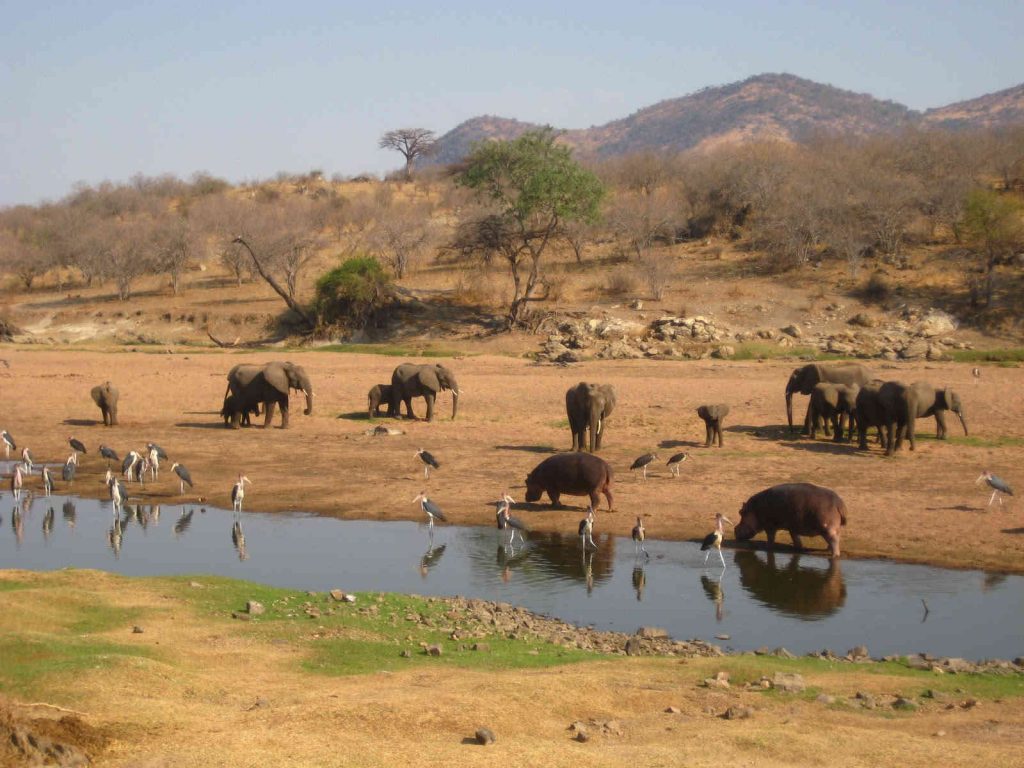
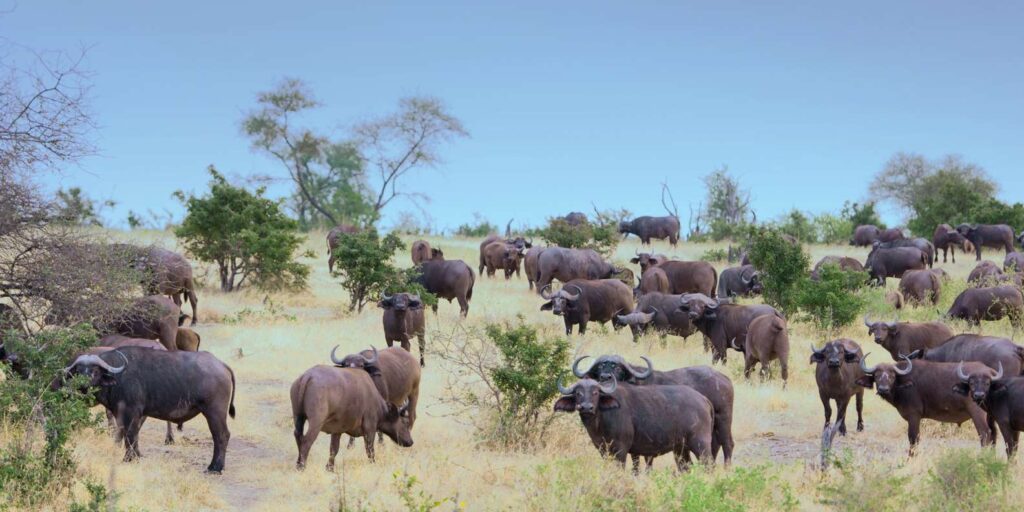
On the second day, we engage in 4×4 game drives in open-sided safari vehicles, accompanied by picnic lunches in this expansive, pristine environment. Nyerere National Park is home to a substantial population of wildlife, including Africa’s Big Five. A multitude of elephants resides here, accompanied by substantial herds of buffalo. Nyerere serves as a bastion for lion and wild dog (painted wolf) populations, exhibiting some of the greatest densities in Africa.
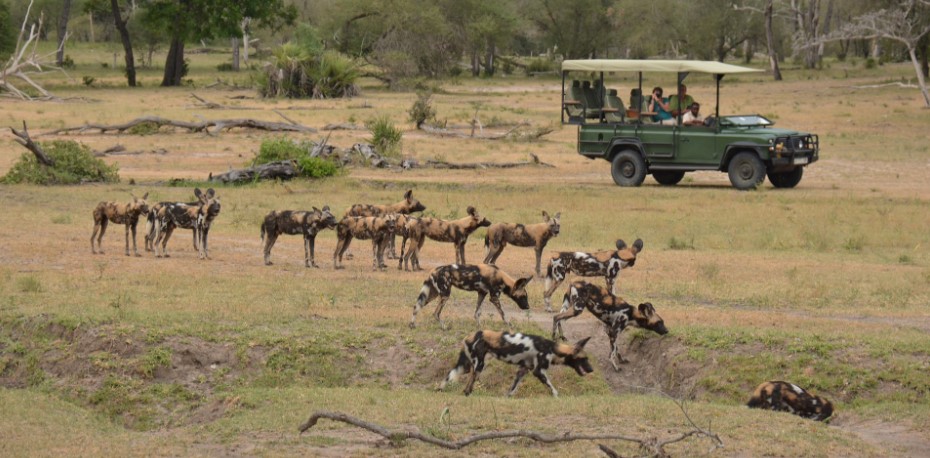
Nyerere is home to spotted hyenas, jackals, and elusive leopards. Other prominent creatures frequently observed in Nyerere are giraffes, zebras, hippopotamuses, wildebeests, and an assortment of antelopes including impalas, sable, puku, greater kudu, eland, Lichtenstein’s hartebeest, bushbuck, oryx, and waterbuck.
On the third day, we go from Nyerere National Park and proceed to Mikumi National Park. Mikumi, situated on the northern boundary of Selous Game Reserve, constitutes a segment of the expansive Nyerere Ecosystem. On the fourth day, we engage in 4×4 game drives in Mikumi, seeking the diverse wildlife and avian species present in the area.
In the expansive grasslands of the Mkata Plains, we are likely to observe several herbivores, including wildebeest, buffalo, zebra, and eland, the largest antelope in Africa, along with other antelope species. Elephants are frequently observed in Mikumi.
We might have the fortune of observing lions, leopards, or wild dogs. Additional carnivores present in this region include jackals, hyenas, and crocodiles. Mikumi is home to more than 400 bird species.
On the fifth day of our Tanzania Safari, we transition from the expansive plains to the verdant woods of Udzungwa Mountains National Park. Udzungwa Park, characterized by its steep terrain, is famous for its remarkable biodiversity and picturesque forest trails. We go to the remarkable Sanje Waterfalls, the tallest waterfall in the Udzungwa Mountains.
Immerse yourself in the pools of the waterfalls and see the avian and terrestrial fauna in this distinctive natural ecosystem. Udzungwa hosts approximately 10 primate species, including three endemic species: the Iringa red colobus, the Matunda galago, and the Sanje crested mangabey.
On the sixth day, we depart from the forests and mountains, traveling westward to the more secluded Ruaha National Park in southern Tanzania. Ruaha is the largest national park in Tanzania, although it remains one of the nation’s best-kept secrets.
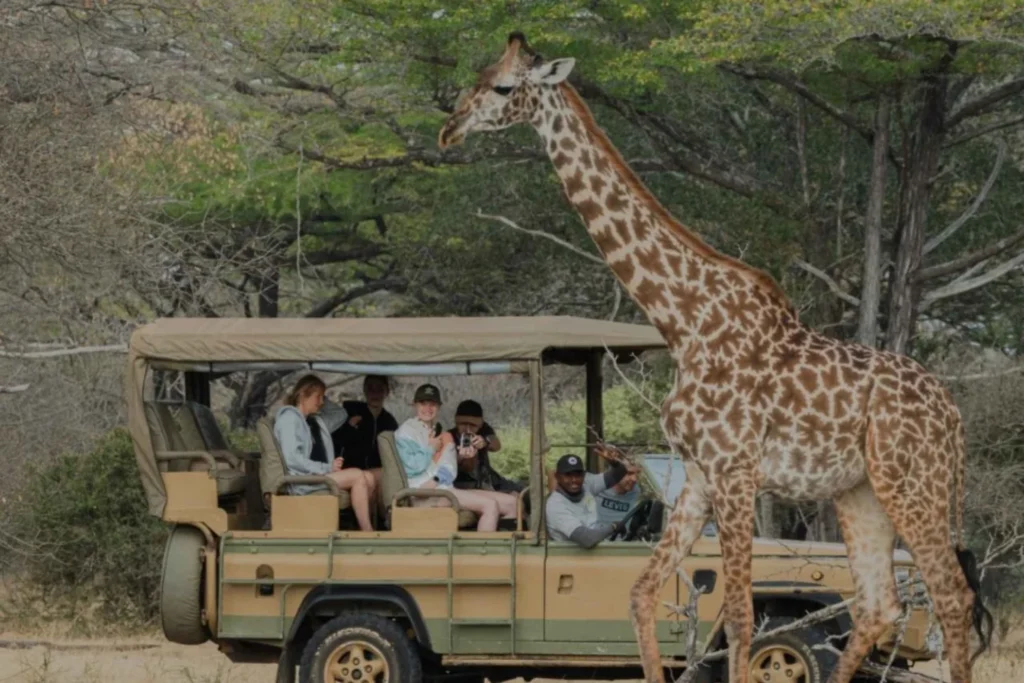
In the subsequent two days, we will seek the varied wildlife and avifauna of Ruaha in our 4×4 safari vehicles. Ruaha is renowned for its remarkable predator observations, accommodating substantial numbers of Africa’s huge felines. The park hosts one of Africa’s largest lion populations, accounting for 10% of the remaining wild lions globally.
Ruaha hosts one of the four significant cheetah populations (exceeding 200 adults) located in East Africa. The park is home to the third-largest population of endangered African wild dogs (painted wolves) globally. Additionally, Ruaha functions as a bastion for populations of spotted hyenas and leopards.
Ruaha not only has remarkable predator populations but also serves as a refuge for approximately 10,000 African elephants. Alongside elephant herds, buffaloes, various antelopes, giraffes, and zebras are frequently observed.
On the eighth day, we have breakfast at the lodge prior to traveling to the airfield at Ruaha. You board an aircraft returning to Dar es Salaam, accompanied by a picnic lunch for the trip. The 8-Day Tanzania Safari encompassing Nyerere, Mikumi, Udzungwa, and Ruaha concludes in the metropolitan area of Dar es Salaam.
Day 1: Dar es Salaam – Drive to Nyerere National Park
Day 2: Explore Nyerere National Park
Day 3: Nyerere – Drive to Mikumi National Park
Day 4: Explore Mikumi National Park
Day 5: Mikumi – Drive to Udzungwa Mountains National Park
Day 6: Udzungwa – Drive to Ruaha National Park
Day 7: Explore Ruaha National Park
Day 8: Ruaha – Fly to Dar es Salaam
Day 1: Journey from Dar Es Salaam to Nyerere National Park
Commencing in Dar es Salaam, you will be transported to Nyerere National Park with a picnic lunch provided along the journey. The journey requires five to six hours. In the mid-afternoon, you will commence a boat safari on the formidable Rufiji River, allowing for intimate encounters with hippos, crocodiles, and remarkable avian species.
Crocodiles sunbathe on the riverbanks or submerge when your vessel nears, while hippos surface close, emitting grunts and expelling water. Register at your lodge or campsite.
Accommodation at Selous Tented Camp, Selous Mapumziko Lodge, or Selous Serena Camp with a meal plan including lunch and dinner.
Day 2: Full Safari in Nyerere National Park
Following breakfast, you will embark on a two-hour walking safari, accompanied by armed rangers. The objective is not to approach potentially hazardous creatures, but to gain a deeper understanding of the bush and examine some of the smaller yet equally significant components of the ecosystem.
Following the walk, board the 4×4 and dedicate the remainder of the day to explore Nyerere National Park. The car serves as an exceptional platform for photography. Nyerere National Park is the largest in Africa, encompassing an area of 30,893 km². Nyerere is renowned for its elephants, frequently observed lions, wild dogs, buffaloes, bushbucks, impalas, elands, baboons, zebras, and bigger kudus.
Accommodation at Selous Tented Camp, Selous Mapumziko Lodge, or Selous Serena Camp with a meal plan including breakfast, lunch, and dinner.
Day 3: Nyerere – Journey to Mikumi National Park
Today, our comprehensive wildlife drive proceeds north as we depart from Nyerere National Park and advance towards Mikumi National Park. Mikumi National Park, established in 1964, spans approximately 3,230 km² (1,247 mi²). In the expansive grasslands of the Mkata Plains, one can expect to observe a variety of herbivores, including wildebeest, buffalo, zebra, and eland, the largest antelope in Africa, along with other antelope species.
Elephants are frequently observed in Mikumi. We might be fortunate enough to observe lions, leopards, or wild dogs. Additional carnivores present in this region encompass jackals, hyenas, and crocodiles. Mikumi is home to more than 400 avian species.
Bird observations encompass yellow-throated longclaws, bateleurs, African fish eagles, black-bellied bustards, lilac-breasted rollers, marabou storks, oxpeckers, straw-tailed whydahs, and Boehm’s bee-eaters.
Accommodation at Camp Bastian Mikumi, Stanley Kopje Camp, or Tan-Swiss Lodge with a meal plan inclusive of breakfast, lunch, and dinner.
Day 4: Explore Mikumi National Park
On the fourth day, we commence 4×4 game drives in Mikumi, seeking the diverse wildlife and avian species present in the area. Mikumi National Park, established in 1964, spans approximately 3,230 km² (1,247 mi²).
In the expansive grasslands of the Mkata Plains, one can expect to observe a variety of herbivores, including wildebeest, buffalo, zebra, and eland, the largest antelope in Africa, along with other antelope species. Elephants are frequently observed in Mikumi.
We might have the fortune of observing lions, leopards, or wild dogs. Additional carnivores present in this region comprise jackals, hyenas, and crocodiles. Mikumi is home to more than 400 avian species. Observed avian species comprise yellow-throated longclaws, bateleurs, African fish eagles, black-bellied bustards, lilac-breasted rollers, marabou storks, oxpeckers, straw-tailed whydahs, and Boehm’s bee-eaters.
At approximately sundown, we depart from Mikumi Park and return to the resort for dinner.
Overnight at Camp Bastian Mikumi, Stanley Kopje Camp, or Tan-Swiss Lodge. Meal Plan: {Breakfast, Lunch, and Dinner}
Day 5: Mikumi – Transit to Udzungwa Mountains National Park (Hiking at Udzungwa – Sanje Waterfalls)
On day five, we go from the expansive plains to the verdant woods of Udzungwa Mountains National Park. Udzungwa Park, characterized by its steep terrain, is famous for its remarkable biodiversity and picturesque forest trails. This relatively compact Tanzanian national park spans approximately 1990 km² and encompasses a variety of habitats, including tropical rainforest, mountain forest, miombo woodland, steppe, and grassland.
This afternoon, we ascended to the magnificent Sanje Waterfalls, the tallest waterfall in the Udzungwa Mountains. Immerse yourself in the pools of the waterfalls and see the avian and terrestrial fauna in this distinctive wilderness. The Udzungwa Mountains are referred to as the ‘Galapagos Islands of Africa’ due to their significant endemism and abundant biodiversity.
Udzungwa hosts approximately 10 primate species, including three endemic species: the Iringa red colobus, the Matunda galago, and the Sanje crested mangabey. Baboons and vervet monkeys are frequently observed, and rare butterflies, birds, amphibians, and reptiles may also be encountered in this less-frequented area.
Over 2,500 plant species have been documented in Udzungwa Mountains Park, with a quarter endemic to this region. There are over 400 avian species, including many indigenous varieties.
Following our exquisite hike in the Udzungwas, we return to our lodge.
Accommodation at Udgzungwa Mountain View Camp, Udzungwa Forest Tented Camp, or Udzungwa Falls Lodge with a meal plan including breakfast, lunch, and dinner.
Day 6: Udzungwa – Transit to Ruaha National Park
Following breakfast, we depart from the forests and mountains, proceeding westward to the secluded Ruaha National Park in southern Tanzania. Ruaha is the largest national park in Tanzania, yet it is regarded as one of the nation’s best-kept secrets. This national park in southern Tanzania is one of the most pristine and untamed wilderness places in Africa.
Upon arriving at Ruaha, we advance to our fully-equipped mobile camp situated within the national park (during the appropriate season) or a tented accommodation adjacent to the park. Be vigilant for large bull elephants, predatory lions, and leopards resting in the trees, as this area is renowned for big game.
Additional activities offered at an extra charge comprise walking safaris in Ruaha, nocturnal game drives, and hot-air balloon safaris.
Overnight Lodging Kwihala Camp, Jabali Ridge, Mwagusi Camp, Mdonya Old River, Kichaka Camp, or Ruaha Hilltop Lodge
Dietary Schedule: Breakfast, Lunch, and Dinner
Day 7: Explore Ruaha National Park
Today is reserved for observing animals in Ruaha, Tanzania’s premier safari hidden gem. The game viewing program is adaptable, permitting you to select the timing and nature of safari activities that best accommodate your preferences. Select between full-day or half-day game drives (cost included) and choose either picnic lunches in the bush or hot meals at the camp.
Additional activities available for an extra fee encompass walking safaris in Ruaha, nocturnal wildlife drives, and hot-air balloon safaris. Ruaha National Park is renowned for its substantial numbers of elephants and buffalo, in addition to a notably high density of predators.
Ruaha is particularly rich in lions, reputed to possess the second greatest lion population globally. This area serves as a snctuary for endangered African wild dogs, while also supporting significant numbers of cheetahs and several leopards.
Ruaha is located in a transitional area where eastern and southern ecosystems converge, leading to a distinctive amalgamation of habitats and their respective fauna, hence contributing to its exceptional biodiversity of flora, fauna, and avifauna. This park is among the few where both larger and lesser kudu coexist, along with the rare sable and roan antelopes.
Ruaha has exceptional bird-watching prospects due to its diverse and abundant species. More than 580 bird species have been documented, including uncommon and endangered varieties. We reside at a fully-equipped canvas camp within Ruaha National Park (during the season), relishing a private Tanzanian safari experience.
Overnight Lodging Kwihala Camp, Jabali Ridge, Mwagusi Camp, Mdonya Old River, Kichaka Camp, or Ruaha Hill Top Lodge
Dietary Schedule: Breakfast, Lunch, and Dinner
Day 8: Ruaha – Depart for Dar es Salaam via air
We partake in breakfast at the lodge before to proceeding to the airfield at Ruaha. You board an aircraft returning to Dar es Salaam, accompanied by a picnic lunch for the trip. Our Southern Tanzania Safari concludes in the bustling city of Dar es Salaam.
Meal Plan: {Breakfast & Lunch}