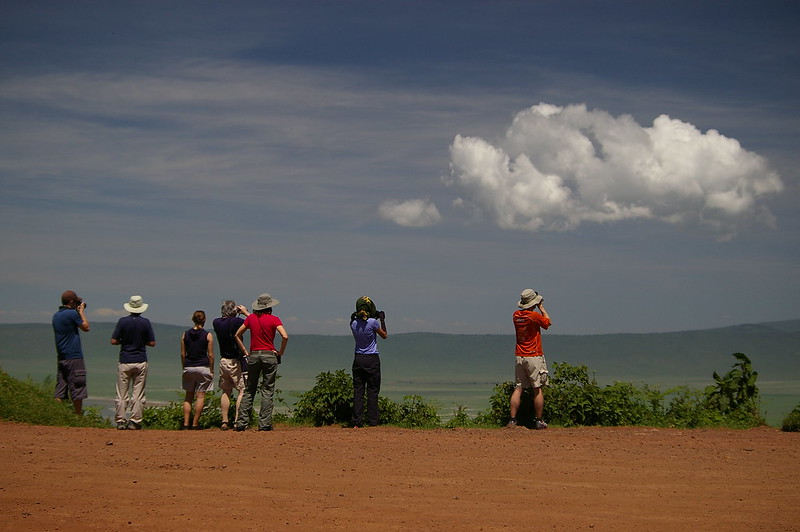
What to see in Ngorongoro
What to see in Ngorongoro, the Ngorongoro Conservation Area in Northern Tanzania is a site of remarkable animal and historical significance, characterized by its stunning beauty. Covering around 8,292 square kilometers, it is a sanctuary of human habitation and natural marvels, which is unparalleled. In 1959, the region was declared as a protected area, and in 1979, it was recognized as a UNESCO World Heritage site. The Ngorongoro Crater, its most renowned characteristic, is the biggest known undamaged caldera on the planet, sometimes referred to as the ‘Eighth Wonder of the World.’ The Ngorongoro Conservation Area is an essential destination for environment enthusiasts, history aficionados, and explorers.
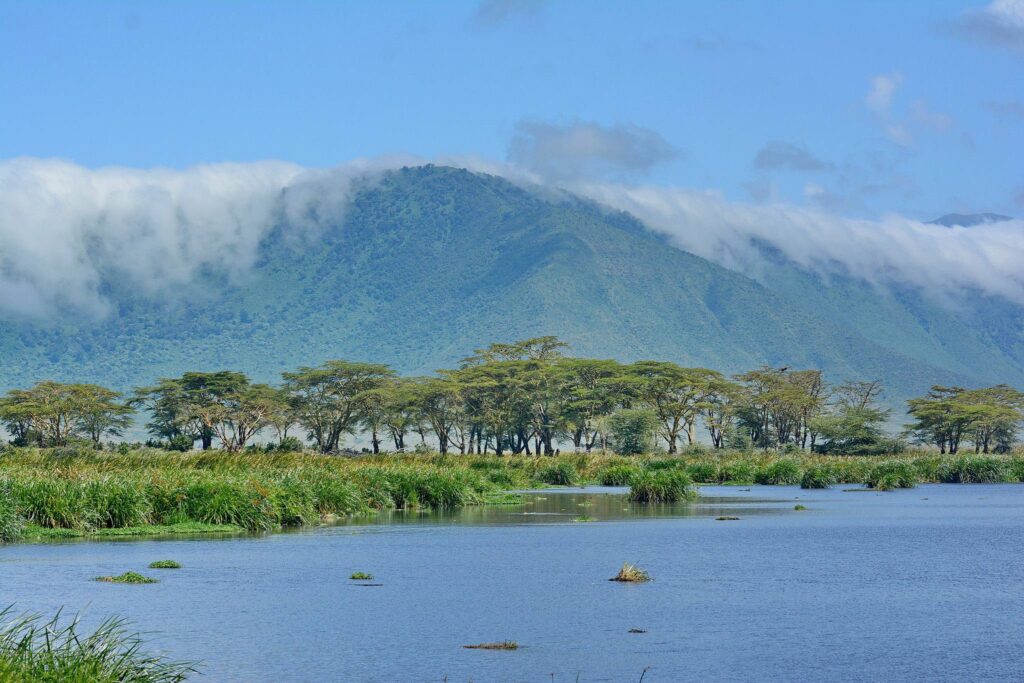
The conservation area in northeastern Tanzania encompasses the dual protected regions of the southern and northern rims of the Ngorongoro Crater, which is the focal point of the territory and one of Africa’s most breathtaking landscapes. The mountain imploded approximately 2 to 3 million years ago due to a volcanic explosion that created this extensive volcanic crater and its picturesque landscape. Covering an area of 8,292 square kilometers, it represents a distinctive amalgamation of conservation, human habitation, and geological marvels. The region was classified as a protected area in 1959 and recognized as a UNESCO World Heritage site in 1979. The Ngorongoro Crater, its most renowned attribute, is the largest intact caldera globally, frequently referred to as the “Eighth Wonder of the World.” The Ngorongoro Conservation Area is an essential site for wildlife aficionados, history buffs, and explorers.
Ngorongoro Crater
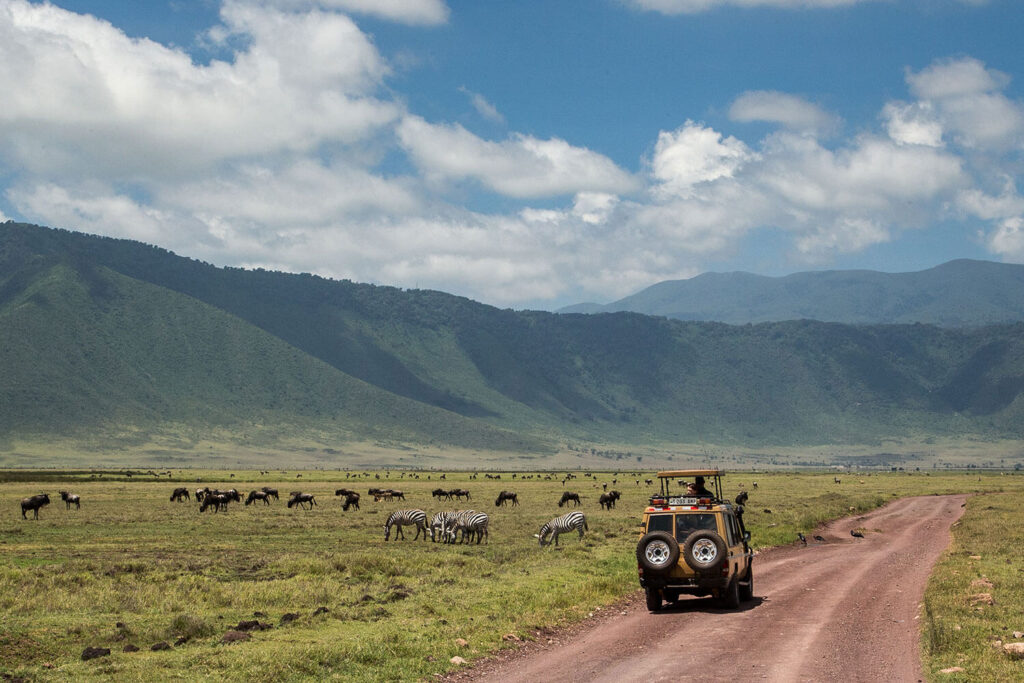
The Ngorongoro Crater is the focal point of the conservation area and one of the most breathtaking vistas in Africa. This extensive volcanic caldera was created approximately 2 to 3 million years ago during a volcanic eruption that resulted in the mountain’s collapse inward. The floor area measures around 260 square kilometers, and its depth is 610 meters. This environment is optimal for a diverse array of species due to its fertile soil and plentiful water supply.
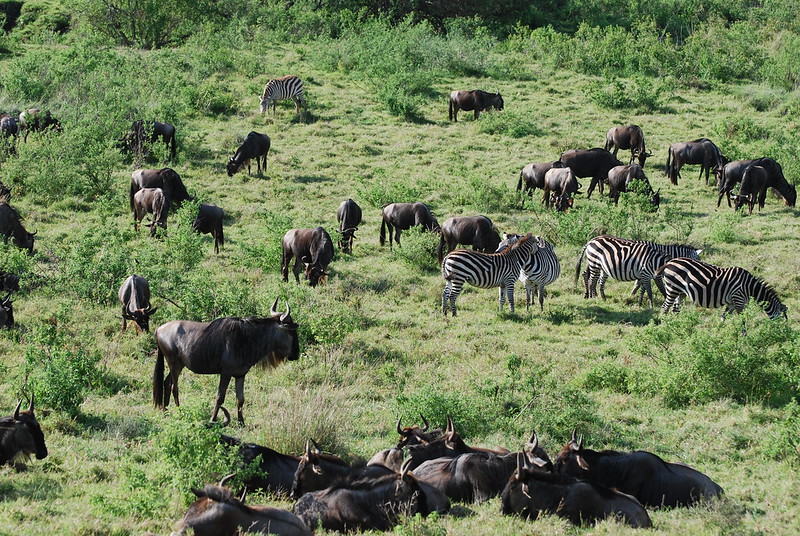
An extraordinary variety of species will be available for visitors to observe at the crater. More than 25,000 large mammals inhabit this region, including elephants, lions, leopards, buffalo, and rhinos, establishing it as one of the premier locations for safari drives globally. An abundant population of zebras, wildebeests, hyenas, and warthogs inhabits the crater’s environment. Birdwatchers will be pleased to observe flamingos, various waterfowl, and raptors near Lake Magadi, the soda lake that forms in the crater during the season.
The striking landscape, combined with abundant wildlife encounters, leaves a lasting impact. Safari excursions within the crater typically commence at dawn, allowing guests to witness the sunrise with the awakening wildlife.
Olduvai Gorge: The Birthplace of Humanity
One of the most significant agricultural locations globally is located just beyond the western rim of the Ngorongoro Crater at Olduvai Gorge. The Cradle of Humankind site offers insights into early human evolution, serving as a portal to the past. Fossils of hominins, our early human predecessors, along with their tools, have been discovered here, dating back as far as 2 million years.
In the 1950s, archaeologists Louis and Mary Leakey garnered international recognition for Olduvai Gorge by excavating the skull of Homo habilis, an early human ancestor, from the prehistoric site. Fossils of Paranthropus boisei and lithic implements highlight the technological advancements of early humans.
The on-site museum in Olduvai Gorge showcases exhibits detailing the discoveries made in the region. For enthusiasts of history and archaeology, visiting this place offers an excellent opportunity to get insight into the distant past and the narrative of humanity’s progression through time.
The Maasai: Guardians of the Land
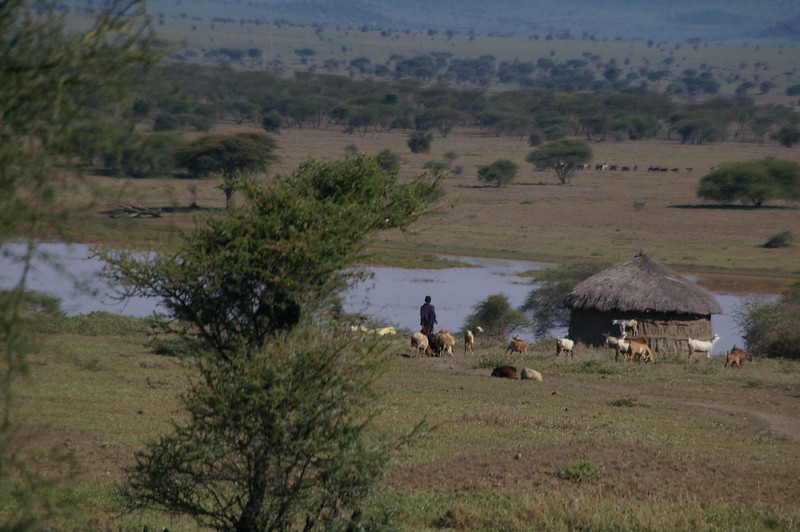
The Maasai are a semi-nomadic ethnic group renowned for its unique rituals, traditional attire, and pastoral lifestyle. The Ngorongoro Conservation Area serves not only as a sanctuary for animals but also as a residence for the Maasai people. The
For ages, the Maasai have coexisted together with the region’s wildlife, integral to the unique uniqueness of the protection area.
The conservation area permits travelers to visit Maasai settlements to observe their largely unchanging lifestyle in relation to modern influences. Traditional Maasai dances exemplify the vibrancy of their culture, and you will have the opportunity to purchase handcrafted items, including beadwork and jewelry. Engaging with the Maasai offers an enriching cultural experience, allowing insight into their efforts to harmonize pastoralism with the necessity of environmental conservation upon which they rely.
The Maasai’s reverence for nature and traditional grazing practices contribute to maintaining ecological equilibrium in the Ngorongoro Conservation Area. This region, distinguished by a successful conservation history and by a symbiotic relationship between humans and animals, is regarded as a model for conservation efforts.
Endless Plains
Serengeti National Park adjoins the Ngorongoro Conservation Area, creating a continuous environment that inspires the renowned Great Migration. Each year, millions of wildebeests, zebras, and gazelles migrate in search of fresh grazing grounds. A significant portion of this migration transpires in the Serengeti, however the animals frequently traverse the Ngorongoro Conservation Area, particularly during the calving season from January to March.
You will witness one of the most amazing natural displays on this (or any other) planet if you are able to visit the NCA during this period. Predator-prey interactions are at their height as lions, cheetahs, and hyenas hunt newborn calves. Wildlife enthusiasts and photographers alike love this fantastic, once-in-a-lifetime safari experience.
Highlands, Lakes, and Forests: A Varying Terrain
The Ngorongoro Conservation Area is home to a startling variety of ecosystems inside the plains and crater. Large herbivores like elephants may seek cover in the Lerai Forest’s dense grove of acacia trees, which are located just off the crater floor. The hills surrounding the crater offer great trekking options as lush forests give way to rolling grasslands and volcanic mountains.
One of the most breathtaking natural features in the highlands is the volcanic crater known as Empakaai Crater, which receives little attention despite its beauty. With views of a salt lake frequented by flamingos and the opportunity to see buffalo and bushbucks among other wildlife, the trek down to the crater bottom is worth the effort. As you go through the highlands on clear days, you can also enjoy expansive vistas of Mount Kilimanjaro and the Great Rift Valley.
Water features like Lake Eyasi, which is located near the conservation area’s southeast border, further enhance the landscape. The Hadzabe, one of the remaining hunter-gatherer cultures on continental Africa, live in the surrounding area of the alkaline lake, which is teeming with flamingos and other bird species.
Conservation and Sustainability Initiatives
The Ngorongoro Conservation Area is more than just a tourist attraction; it’s about sustainable conservation. In contrast to other national parks, the NCA permits human habitation, allowing the Maasai to coexist peacefully with the wildlife while maintaining their traditional way of life.