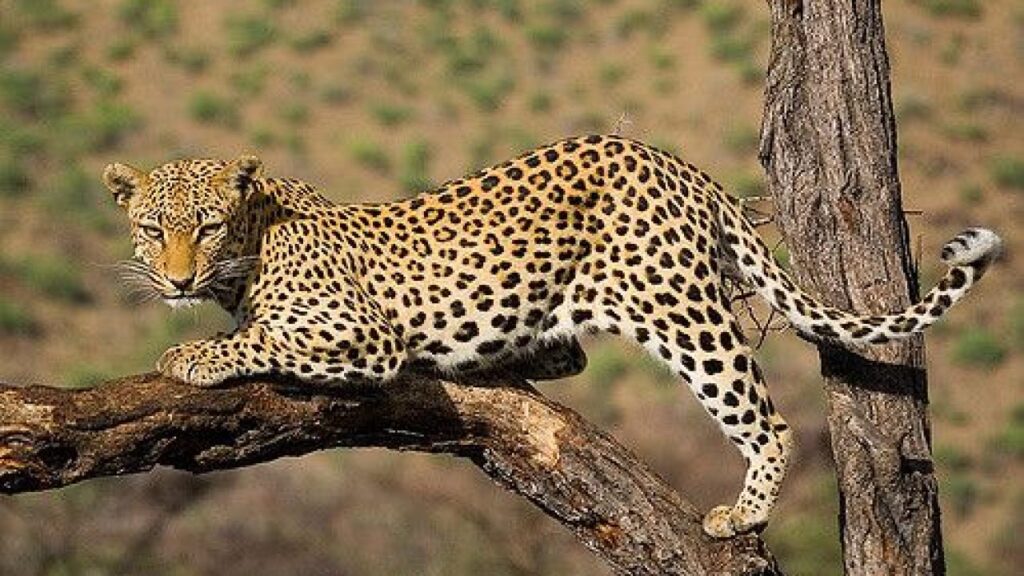
The Leopards of Northern Highland Forest Reserve
The Ngorongoro Forest, also known as the Ngorongoro Highlands, is a Northern Highland Forest Reserve regarded as one of Tanzania’s concealed treasures. This forest reserve, located in the volcanic highlands adjacent to Ngorongoro Crater and Oldeani Mountain, is vital to the local ecosystem.
It is a sanctuary for a diverse array of species, including elephants, buffalo, bushbucks, and primates. Nonetheless, the leopard, an elusive species of big cats, is regarded as one of the most captivating inhabitants of this forest, continually astonishing safari travelers with its beauty, cunning, and agility.
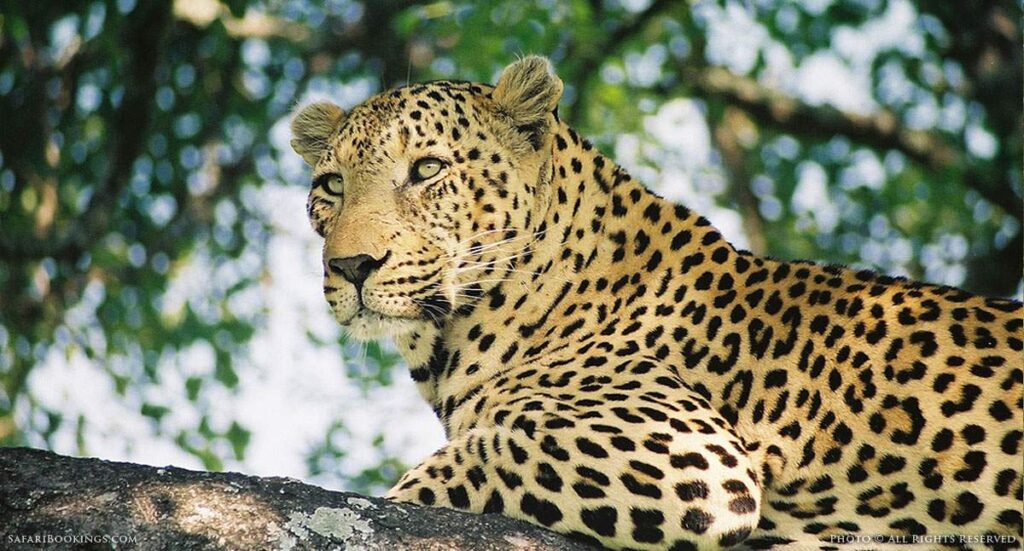
The Owls of Leopards within the Ecosystem.
Leopards are apex predators that enhance the stability of the reserve’s environment. They regulate the populations of medium-sized mammals such as bushbucks, duikers, and monkeys, so preventing over-browsing of plants. Leopards inhabit dense forests and rugged landscapes, in contrast to lions that thrive in broad savannahs, as their spotted coloration renders them inconspicuous in such environments.
They hold particular significance in the Northern Highland Forest Reserve, as the area serves as a wildlife corridor linking the Serengeti, Lake Manyara, and the Ngorongoro Conservation Area. This designates the forest as a pivotal locus for biodiversity conservation in northern Tanzania.
Locations of the Reservation Leopard.
Encountering a leopard in the Northern Highland Forest Reserve is a remarkable experience, albeit one that requires considerable patience. These felines are adept at hiding and typically traverse during dawn, night, or dusk. Hunters participating in guided walking safaris or game drives throughout the dense forest paths surrounding the Olmoti and Empakaai Craters typically see enhanced opportunities for sightings.
Others are observed on the inclines of Oldeani Mountain, where leopards prey on vegetation and monkeys. Travelers residing in lodges within the Ngorongoro Conservation Area occasionally observe leopards traversing the forest peripheries during the twilight. Night drives organized by specialized safari companies provide an excellent opportunity to witness these large felines in their natural habitat.
Leopard Behavior and Adaptability.
Remarkable adaptations of leopards have occurred in the Northern Highland Forest Reserve as a response to the alpine habitat. woodland leopards prey on tiny animals such as hyraxes, monkeys, porcupines, and woodland antelopes, in contrast to their Serengeti counterparts, which predominantly hunt wildebeest calves or impalas. They are solitary creatures that establish extensive territories to prevent confrontations with other leopards through the use of scent marking.
Leopards exhibit adaptability in their climbing skills; they are frequently seen perched on elevated tree branches, utilizing the height to evade predators and protect their prey from hyenas. This unique behavior not only demonstrates their intelligence but also positions them as a symbol of resilience in a challenging environment.
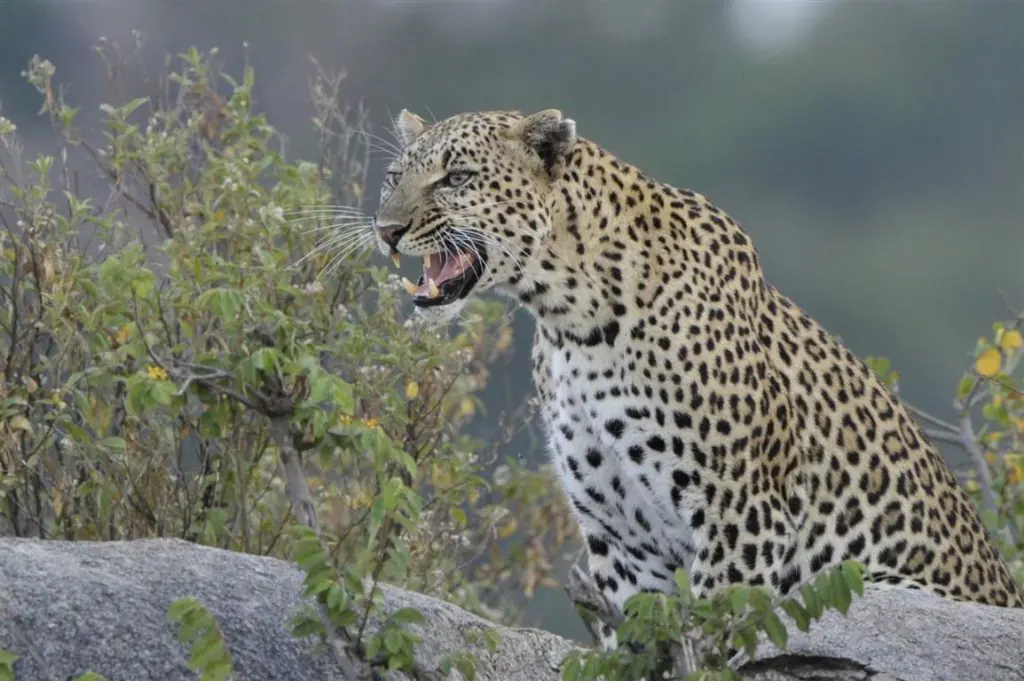
Challenges in Leopard Conservation.
While leopards in the Northern Highland Forest Reserve exhibit secrecy and adaptability, they have numerous conservation challenges. The issue of human-wildlife conflict is an escalating concern due to the presence of livestock raised by villagers in proximity to forest boundaries. Leopards occasionally prey on goats and calves, prompting retaliation from herders. A pressing concern is habitat encroachment due to agriculture progressively invading the forest periphery.
Both the leopard and its prey base are jeopardized due to illicit hunting and snaring. To mitigate these dangers, conservation organizations and the Ngorongoro Conservation Area Authority have expanded efforts through community awareness initiatives, anti-poaching patrols, and livestock compensation programs.
The cultural significance of leopards in northern Tanzania.
In the Maasai and other indigenous communities near the Ngorongoro Highlands, leopards hold symbolic significance. Leopard pelts were donned by warriors and chiefs as emblems of valor and authority. This practice has diminished due to conservation regulations, however the veneration of leopards remains significant. Local folklore often recounts their cleverness and frequent hunting prowess, enhancing the pleasure of witnessing them in pursuit.
Travel Recommendations for Leopard Lovers.
The leopard is a game necessitating smart safari planning by travelers intending to visit the Northern Highland Forest Reserve. The dry season from June to October is optimal, as the reduced foliage facilitates wildlife visibility. Reserving guided safaris with proficient trackers enhances the likelihood of success, as native guides are adept at interpreting animal indications, such as tracks and vocalizations.
The tour would benefit from visiting the reserve in conjunction with the Ngorongoro Crater, Serengeti, and Lake Manyara, as these locations also boast robust leopard populations. The examination of the forest presents an opportunity for environmental conservation, in addition to providing nocturnal safaris and walking excursions while residing in eco-lodges on the forest’s periphery.
What distinguishes the Northern Highland Forest Reserve?
The Northern Highland Forest Reserve offers a unique highland experience, characterized by volcanic craters, elevated terrain, and montane forests, in contrast to the broad plains seen in other Tanzanian safari regions. Encountering a leopard in its natural habitat presents a remarkable opportunity that connects observers to one of Africa’s most secretive carnivores.
The reserve provides nature enthusiasts with opportunities for exhilarating walks, birdwatching, and cultural interactions with local residents, in addition to wildlife experiences. This reserve offers an adventurous and tranquil experience for individuals seeking an unconventional safari.
Summary: An Appeal for Preservation and Exploration.
The leopards of the Northern Highland Forest Reserve embody enigma and magnificence. Their presence exemplifies the health of Tanzania’s montane ecosystems and the efficacy of existing conservation initiatives. Survival is contingent upon the enhanced protection of the forest and the active participation of local populations.
For the traveler, the reserve represents not merely a safari, but an expedition into the essence of nature, where every sound in the forest may signify the presence of the most elusive big cat in Africa, adorned in a spotted coat. A visit to this gem in the jungle will contribute to the preservation of one of Tanzania’s premier wildlife habitats.