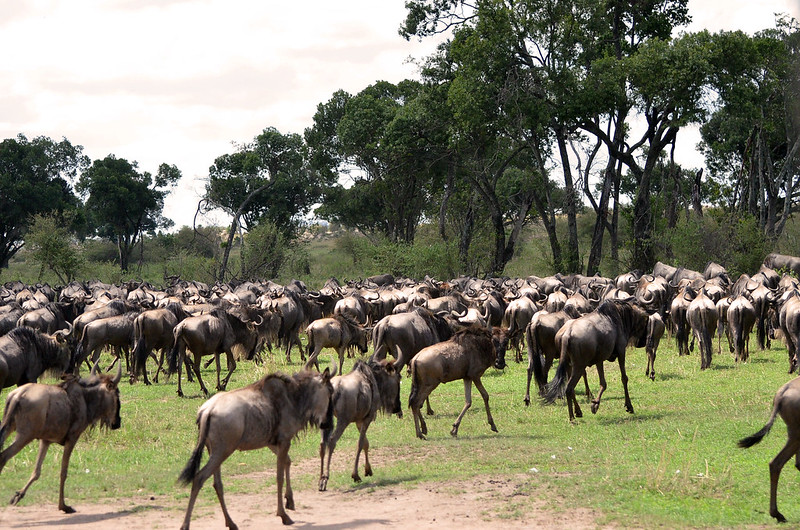
Serengeti Wildebeest Migration Cycle
Serengeti Wildebeest Migration Cycle: The wildebeest migration in Tanzania is regarded as one of the most remarkable natural phenomena globally, drawing wildlife enthusiasts, journalists, and adventure travelers from around the world. Over one million wildebeest, accompanied by hundreds of thousands of zebras and gazelles, undertake a yearly circular migration through the Serengeti-Mara ecosystem in pursuit of fresh grazing and water sources. This phenomena exemplifies a remarkable geological display of nature’s rhythm and serves as a vital ecological occurrence, sustaining the plains of Tanzania and northern Kenya.
An Explanation of the Wildebeest Migration.
The primary factors driving the wildebeest migration in the Serengeti are seasonal rainfall patterns. As the rains descend across the Serengeti plains, verdant grasses emerge, prompting the wildebeest herds to follow this lush wave. The migration is believed to cover over 1,800 miles annually, making it one of the longest and most continuous overland migrations globally. The cycle is separated into many stages, each offering a unique experience for the traveler and a remarkable insight into the lives of these resilient animals.
Calving Season: The Southern Serengeti Spectacle.
The migration commences in the southern Serengeti, where the wildebeest congregate in substantial quantities from January to March. This period coincides with the calving season, during which thousands of calves are born. It is poignant and remarkable to observe these diminutive, ungainly calves traversing the grasslands beside their mothers.
Other predators such as lions, cheetahs, and hyenas are present throughout the calving season, creating an amazing wildlife experience. Throughout this period, visitors can witness striking predator-prey dynamics and appreciate the serene serenity of the verdant southern plains.
Migration to the Central Serengeti.
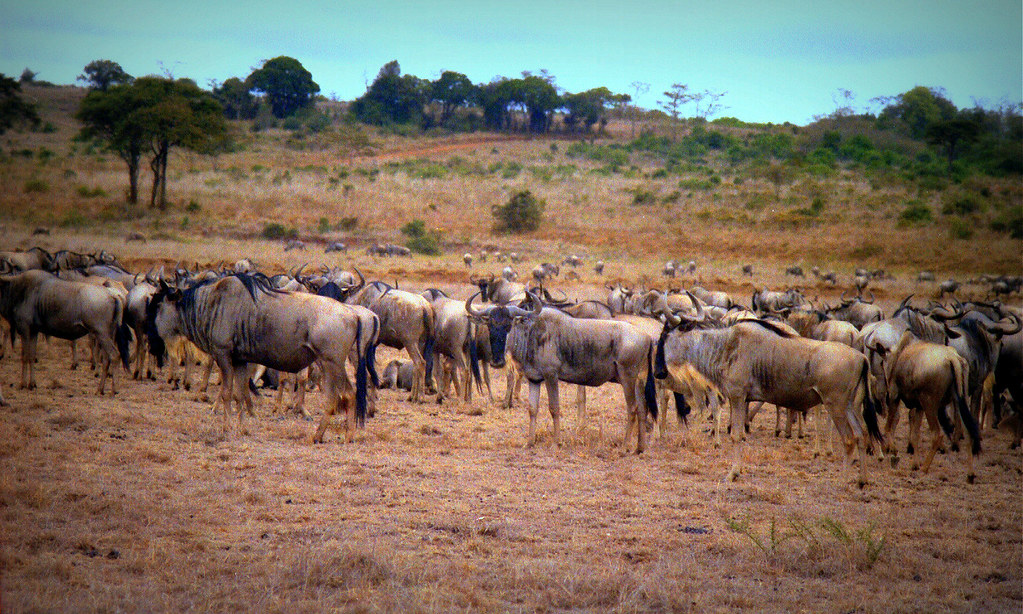
During April and May, as the southern plains get arid, the herds migrate northward to the middle Serengeti. This phase is characterized by substantial herds of wildebeest, zebras, and gazelles migrating in unison. The environment transforms into a golden savannah with a spectacular backdrop, particularly in terms of photography. This is the ideal phase for travelers seeking to engage in intensive Tanzania safari activities, including game drives and guided walking safaris, which offer intimate encounters with diverse species.
Traversing the Mara River: A Notable Feature.
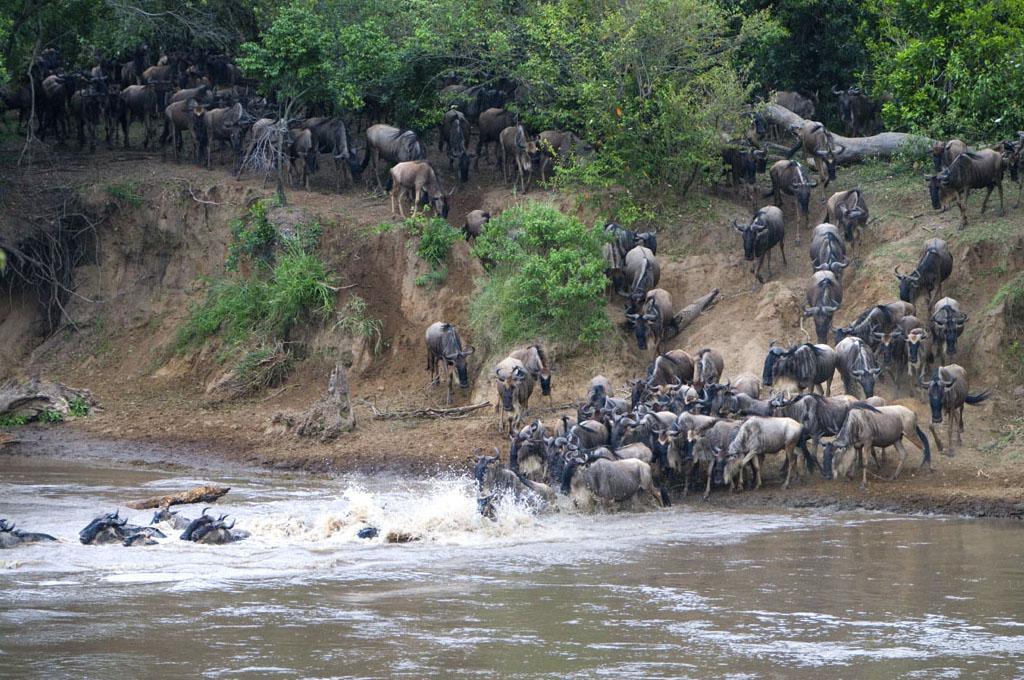
One of the most significant occurrences of the wildebeest migration transpires between July and August, when the herds across the Mara River. The river crossing is a stunning display of tenacity and survival, as wildebeests leap across waters inhabited by crocodiles to reach the superior pastures of Kenya’s Maasai Mara. This scene is not only aesthetically pleasing but it possesses a profound emotional resonance, conveying an impression of brutality. A Mara River crossing is the quintessential event in each Serengeti safari, offering unparalleled photographic opportunity and lasting memories.
Grazing of grass in the Northern Serengeti and Maasai Mara.
Wildebeest traverse the Mara River, subsequently grazing in the northern Serengeti and Mara Maasai. The expansive plains possess enough grass and water resources, allowing the animals to regain their vigor and prepare for their return home. This is an opportune time for safari excursions in Tanzania, as it offers the potential to observe predator groups, cheetah hunts, and migratory birds accompanying the herds. The current excursions are mostly focused on observing migration, capturing images, and understanding the ecological significance of the movement.
Return Journey to Southern Serengeti.
The migration encompasses a complete cycle from November to December, during which the herds return to the southern Serengeti following the short rains. The return journey is rather gentler, featuring less stunning river crossings yet equally remarkable scenery. This phase allows guests to explore the lesser-visited areas of the Serengeti, reside in opulent safari lodges, and experience animals in comparatively quieter locations. Visitors can witness the might of the wildebeest and other herbivores as they navigate the grasslands, completing the cycle of life.
What is the best time for observing the migration?
The migration persists year-round, although the optimal period for arranging a Tanzania safari depends on the desired experience. Visit between January and March for calving and predation. The optimal months for witnessing the renowned crossings of the Mara River are July and August. Grazing herds are abundant in September and October in the northern Maasai Mara and Serengeti National Park. Each stage presents distinct photographic opportunities, wildlife interactions, and a chance to witness the Serengeti in its complete magnificence.
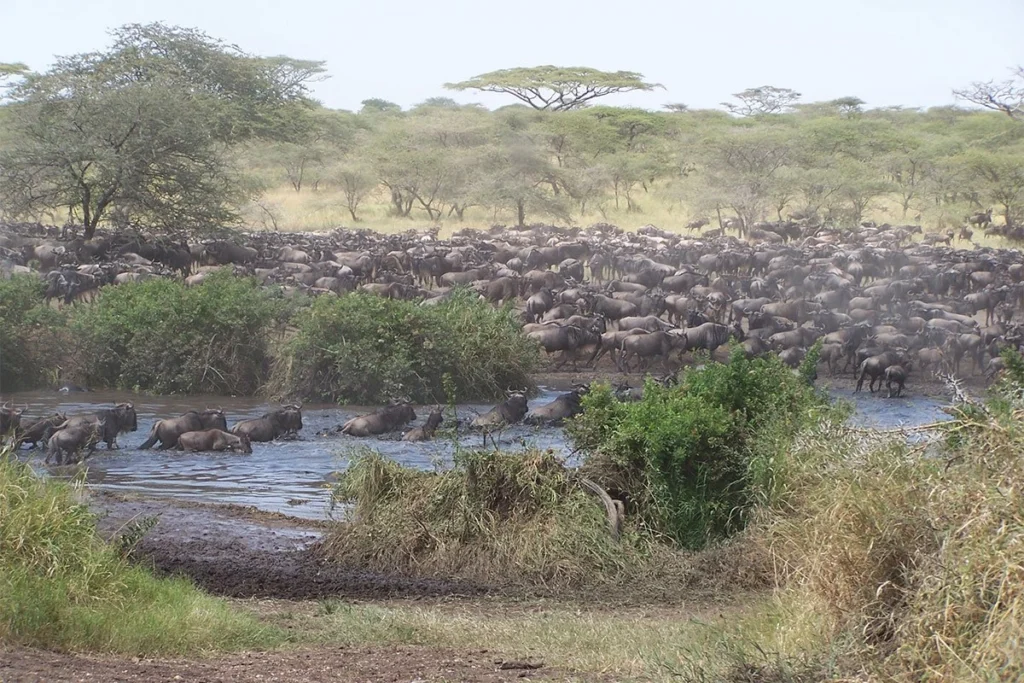
Guidelines for traversing the wildebeest migration.
To really appreciate a migration safari, it is essential to engage an established tour operator that provides experienced guides and suitable 4×4 vehicles for the terrain. The morning and sunset game drives are the most preferred activity for photography and the most intense wildlife observation experiences. Bring binoculars, a camera with a zoom lens, and light, neutral-colored attire. Enhancements can be achieved by residing in lodges or tented camps within or adjacent to Serengeti safaris, allowing travelers to fully immerse themselves in the auditory and visual experiences of the plains.
Cultural and Ecological Insights.
The wildebeest migration is not simply a spectacle of wildlife; it is a vital source of sustenance for the Serengeti ecosystem. The wildebeest promotes new growth, disseminates seeds, and enhances soil composition through grazing and trampling grasses. The Maasai people, who have coexisted with the migration for centuries, possess a profound cultural affinity with these animals, viewing the movement as a symbol of abundance and life. Tourists observe the delicate interplay among nature, humanity, and wildlife, fostering an appreciation for conservation initiatives that safeguard this distinctive occurrence.
Conclusive Remarks
The Serengeti wildebeest migration cycle exemplifies the power and rhythm of nature. The annual migration, commencing with the intimate calving scenes in the southern Serengeti and culminating in the epic Mara River crossings over the expansive northern plains, is an experience that every fortunate traveler should witness.
A journey through the migration offers an exceptional safari experience and a chance to engage with the natural world. Regardless of whether one is a wildlife photographer, adventure enthusiast, or nature aficionado, the wildebeest migration promises to create enduring experiences. Embark on your Tanzanian safari to witness one of the most distinctive animal spectacles the world presents.