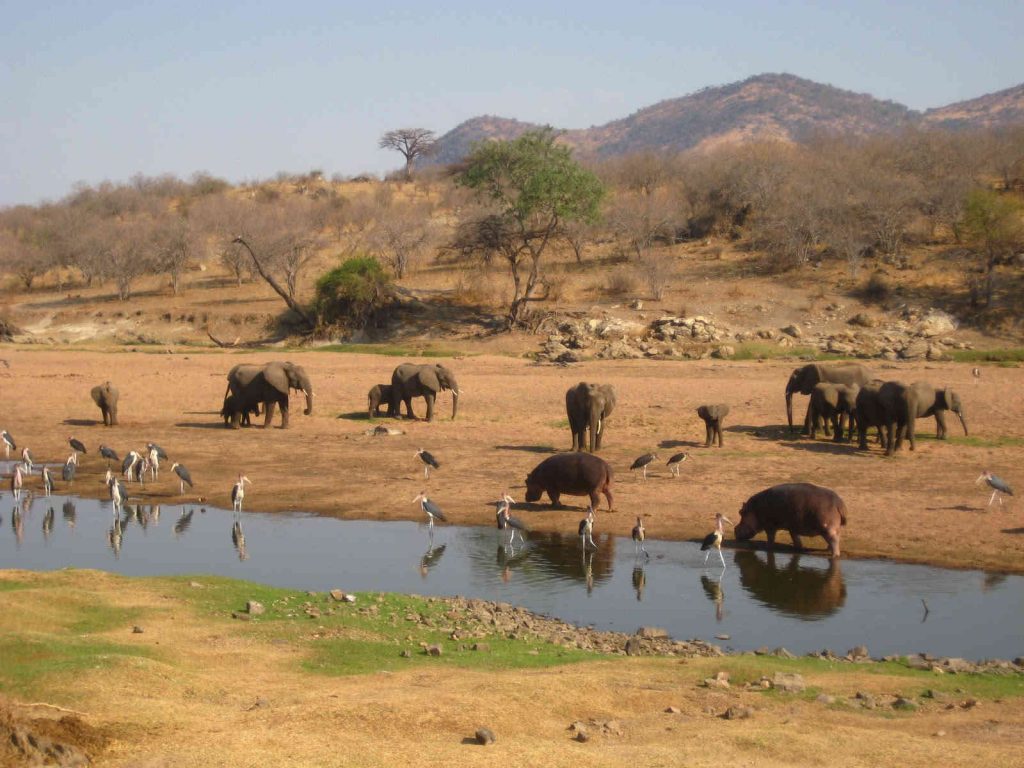
Rungwa Game Reserve
The Rungwa Game Reserve is a designated protected area of 9,000 square kilometers (3,500 square miles). Established in 1951, it aims to safeguard the expansion of Ruaha National Park, which is unequivocally the second-largest protected area in the country, following Selous Game Reserve. It is located in the Itigi District of the Singida Region.
The reserve consists of hills interspersed with forested areas adjacent to the streams and the Mpera River Valley, which supplies water during the dry season and serves as the prime game viewing location from July to November. It encompasses a significant portion of central and western Tanzania, predominantly featuring miombo forests that provide access to exceptional thickets, a distinctive vegetation form found exclusively in two locations in Africa. The reserve serves as a crucial habitat for wildlife and has been designated a Lion Conservation Unit since 2005.
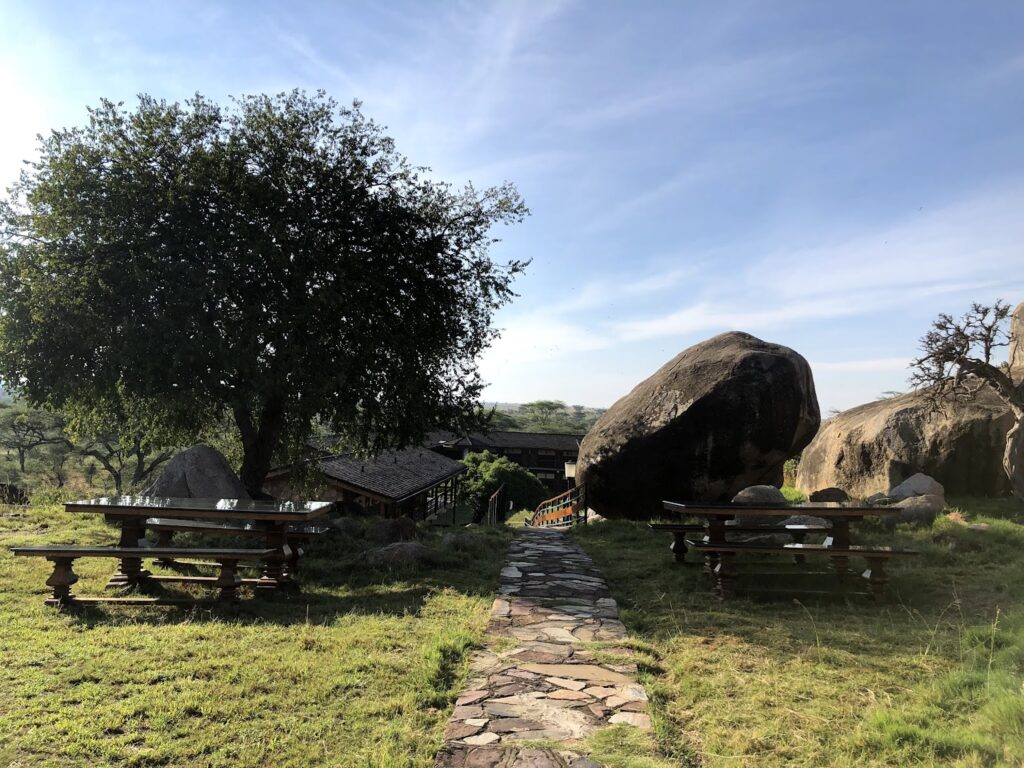
The Rungwa Game Reserve has numerous species, including lions, leopards, African buffalo, and eland. Additional significant animals comprise sable, greater kudu, grysbok, klipspringer, and impala. The diversity of species in Rungwa Game Reserve renders it a critical site for conservation and wildlife observation. The Mpera River Valley in the reserve serves as a crucial water source during the dry season, drawing wildlife to its banks.
Wildlife observation is optimal from July to November, as the dry season enhances the frequency of animal sightings. During this time, animals typically congregate near water sources, facilitating observation. The mild inclines and expansive terrains improve vision, enabling visitors to appreciate the wildlife in its natural environment. In addition to the large felines, the area is renowned for its populations of oribi, hartebeest, Liechtenstein, impala, zebras, hippopotamuses, crocodiles, and bush pigs.
Climatic conditions
The temperature in Rungwa Game Reserve is temperate, characterized by low humidity, facilitating enjoyable wildlife observation. Annual precipitation fluctuates throughout the reserve. The eastern region receives approximately 750mm, while the western region receives up to 1,300mm. The optimal period for wildlife observation is from December to February and June to September, as many species aggregate near the permanent water sources in the Reserve during these months.
Points of Interest in Rungwa Game Reserve
Wildlife
Rungwa Game Reserve hosts a remarkable diversity of wildlife, including Cape buffaloes, elephants, lions, sable antelopes, leopards, hippos, warthogs, klipspringers, elands, oribis, bush pigs, grysboks, greater kudus, zebras, dik-diks, roan antelopes, bushbucks, impalas, crocodiles, Liechtenstein hartebeests, and hyenas, among others.
Birdlife
The reserve is renowned for its avifauna, accommodating approximately 400 bird species. The avifauna here included the Giant spur-winged geese, Pale-billed hornbills, yellow-collared lovebirds, violet-crested turaco, plovers, Tanzanian red-billed hornbills, and Ashy starlings, among others.
Scenic beauty
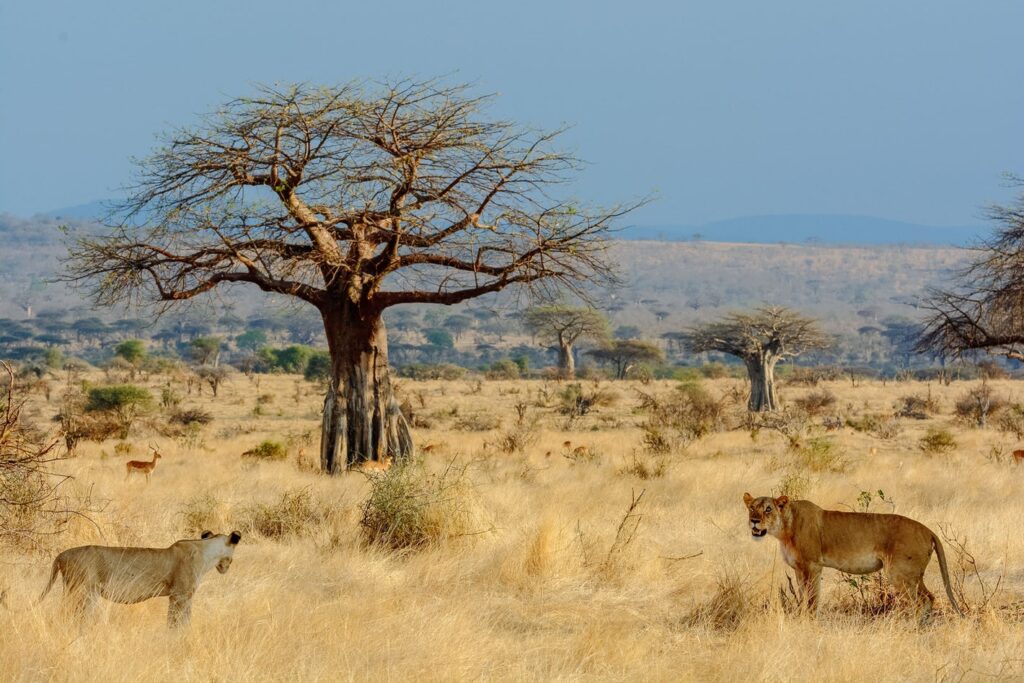
Rungwa Game Reserve is renowned for its stunning vistas, characterized by undulating hills, expansive grasslands, and the winding Rungwe River. The terrain is adorned with Miombo woodlands, acacia, granite kopjes, riverine forests, and Combretum scrubs, offering tourists access to dense thickets that represent flora types exclusive to only two regions in Africa. Visitors can admire the breathtaking scenery both while walking and on the game drives. The vast savannah grasslands, adorned with acacia trees, offer a picturesque landscape and shelter for the varied species inhabiting the reserve.
The Great Rift Valley traverses Rungwa, providing numerous picturesque vantage spots for visitors to admire its splendor. The Mbari River traverses the reserve, forming a verdant sanctuary that draws diverse animals.
The reserve encompasses difficult hills and mountains, notably the Udzungwa Mountains. Exploring these regions offers visitors breathtaking vistas of the encompassing terrain. The pristine allure of Rungwa Game Reserve offers an indelible experience for anyone wishing to discover Tanzania’s varied landscapes.
Activities to do when on a safari in Rungwa Game Reserve
Safari trips
Game drives provide an exceptional opportunity to investigate the abundant fauna of Rungwa Game Reserve. Visitors may either reserve a game drive via a resort or engage a private guide. Game drives within the reserve are done in a comfortable 4×4 vehicle. During a game drive safari, you will have the opportunity to observe wildlife such leopards, warthogs, Klipspringers, Elands, Oribis, bush pigs, Grysbok, larger kudus, zebras, buffaloes, Dik-dik, and lions, among others.
Birdwatching
Birdwatching is an excellent pursuit during a Tanzania journey in Rungwa. The reserve has more than 400 avian species, rendering it one of the premier birdwatching locations in Tanzania. During your birdwatching trips, you will have the opportunity to observe vibrant avian species, like Pale-billed hornbills, yellow-collared lovebirds, violet-crested turacos, plovers, Tanzanian red-billed hornbills, and Ashy starlings, among others.
Trekking and outdoor camping
Rungwa Game Reserve provides exceptional hiking and camping possibilities for nature enthusiasts. Traversing the reserve on foot enables close observation of its splendor. The reserve features multiple trails designed for diverse skill levels.
Camping is prevalent in Rungwa Game Reserve, featuring numerous campsites that offer picturesque vistas and an authentic experience. Guests may overnight beneath the stars in a tented camp or lodge.
Cultural encounters
Rungwa Game Reserve hosts various ethnic groups, including the Sukuma, Nyamwezi, and Fipa. During cultural tours, visitors have the opportunity to engage with local culture by exploring adjacent communities. Engaging with inhabitants enables travelers to gain insights into their traditions, customs, and daily lives.
Traditional dance performances are prevalent in these villages, highlighting the region’s rich cultural legacy. Tourists can observe these performances and even engage in the dancing, enhancing the enjoyment and cultural connection.
Local markets provide an excellent opportunity to immerse oneself in the culture, allowing tourists to purchase handicrafts, traditional attire, and souvenirs while sampling local cuisine and beverages. Moreover, several villages possess traditional healers who employ natural medicines, providing insights into the region’s indigenous medicinal practices.
Entry to Rungwa Game Reserve
Rungwa Game Reserve is accessible by road, with buses from Usangu or Tabora and Mpanda traveling to Rungwa via Inyonga hamlet.
Reach out to our reputable tour operators for further details regarding Rungwa Game Reserve and make reservations with our travel companies, including All Tanzania Safaris, which provides exceptional tour packages for your safaris in Tanzania.