Ngorongoro Crater Safari Packing List
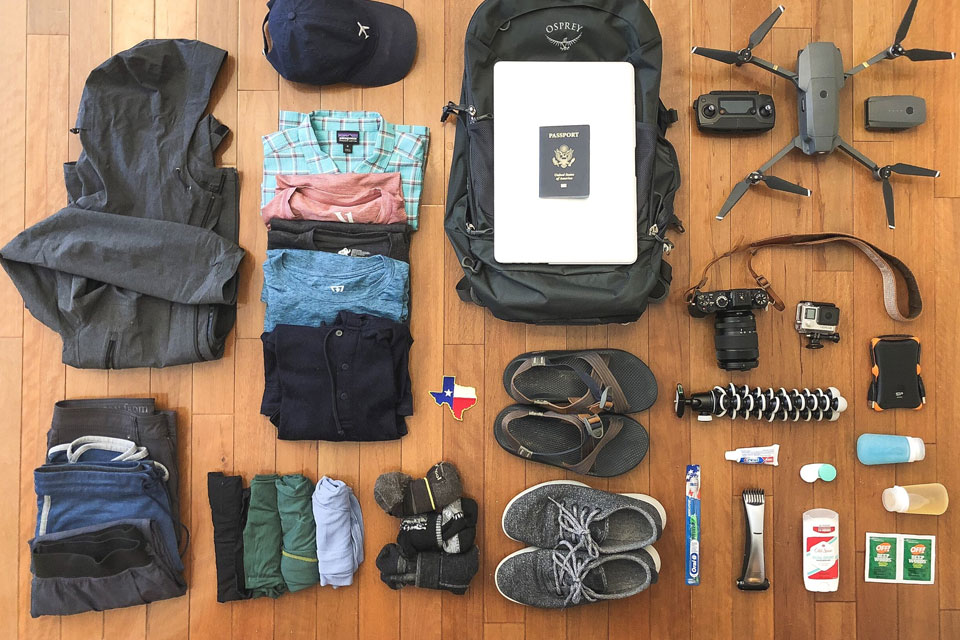
Packing List For Ngorongoro Crater Safari, A safari to the Ngorongoro Crater is one of the most rewarding experiences in East Africa, offering travelers the chance to see the biggest known complete caldera globally, a volcano renowned for its remarkable wildlife density. Ngorongoro is a UNESCO World Heritage site that hosts populations of lions, elephants, black rhinos, zebras, wildebeests, and flamingos, rendering it a must-visit destination in every Tanzanian safari itinerary. To maximize enjoyment, it is essential to pack intelligently. This is a comprehensive list of items to include in your Ngorongoro Crater safari packing list.
Wearable Artifacts for the Crater’s Climate.
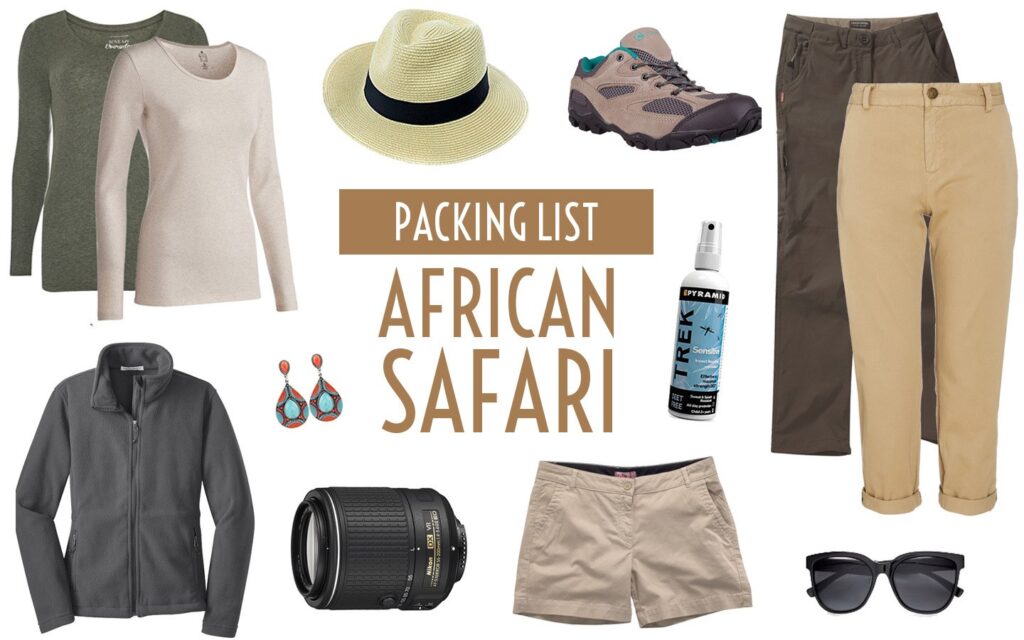
The climate of Ngorongoro is often unpredictable, since it may become cool in the morning at the crater’s summit and warmer in the afternoon at the caldera’s base. Bring daytime game drive clothes that are lightweight, neutral, and do not reflect light since they can fit in the surroundings and insects are not attracted to them. Don long-sleeved shirts and pants to shield the body from sunlight and mosquito bites.
Early morning and evening game drives necessitate the use of a fleece or jacket due to significant temperature drops, particularly at the elevated rim. A substantial safari hat and a pair of sunglasses are necessary to shield against the intense African sun.
Footwear and Comfort
To be comfortable on game-drives and during any quick walk around lodges or cultural visits with the Maasai, you should carry sturdy closed shoes like lightweight hiking boots or safari-friendly sneakers. Sandals or flip-flops may be useful at your resort or tented camp, but are unsuitable for excursions due to the rough or uneven terrain.
Safari Equipment and Accessories
The utilization of binoculars is one of the most advantageous aspects of visiting Ngorongoro. The crater bottom is huge and it is much simpler to watch rhinos or a far-off pack of lions through the aid of a decent pair of optics. A high-quality camera, together with supplementary batteries and memory cards, is essential for capturing the magnificent landscapes and abundant wildlife.
A zoom lens is useful for capturing detailed images of distant animals. A daypack will assist in transporting personal items such as snacks, a water bottle, and sunscreen during outings.
Health and Personal Care Products.
Ngorongoro is situated in a malaria-endemic area; therefore, it is essential to include insect repellent containing DEET and anti-malarial medication prescribed by your physician in your preparations. High SPF sunscreen is essential for blocking UV rays at increased elevations.
For minor health issues, a basic first-aid kit containing analgesics, adhesive bandages, antiseptic ointment, and any available medications will be useful. Wet wipes and hand sanitizer will also come in handy in freshening throughout the long game drives.
Travel Documentation and Currency
Ensure that your passport, travel insurance paperwork, safari itinerary, and emergency contacts are securely stored in a travel pouch. If you are obtaining an East Africa Tourist Visa, ensure it is valid for entry into Tanzania. While the majority of lodges and safari operators accept credit cards, it is advisable to carry some cash in US dollars and Tanzanian shillings for gratuities, souvenirs, or minor expenses throughout your stay.
Power Solutions and Electronics.
In the Ngorongoro region, lodges and camps provide charging outlets; nonetheless, electricity may be limited, especially in remote tented accommodations. Carry a universal travel adapter and a portable power bank to guarantee that your electronics remain charged. Small flashlights or headlamps are handy when one has to travel around the camp during the night when the illumination can be poor.
From Practical Prototypes to Opulent Designs.
A reusable water bottle is essential for maintaining hydration during your safari. A lightweight travel towel, a journal for documenting your safari experiences, and a quality novel or e-reader for reading at camp are valuable enhancements. If you travel during the rainy season (March to May or November), a lightweight waterproof jacket or poncho will keep you dry on wet days.
Cultural Considerations
If your safari includes visits to Maasai settlements in the Ngorongoro Conservation Area, choose basic attire that covers your shoulders and legs to show respect for Maasai culture. Goodwill gestures during community visits may include little gifts such as school supplies; however, it is essential to ask your tour operator first.
Concluding Recommendations Prior to Departure
When preparing your packing list for a Ngorongoro Crater safari, it is essential to consider that most domestic flights in Tanzania impose strict baggage limitations of approximately 15-20 kg per person, generally requiring soft duffel bags. The lightweight and intelligent packing will facilitate your travel. To adequately prepare for the distinctive conditions of the crater, tour providers typically provide checklists; however, this advice ensures that you are not ill-equipped.
Final Assessment
A wildlife safari in the Ngorongoro Crater offers an exceptional opportunity for wildlife observation, stunning landscapes, and a unique experience. An good packing list can enhance your trip experience and ensure your comfort.
Possessing the needed safari essentials or healthcare will enable you to focus on the enchantment of Ngorongoro. When preparing for your Tanzania safari, it is essential to construct your packing list in advance and arrange to visit one of Africa’s most renowned destinations.