Antelopes in Serengeti National Park
Antelopes in Serengeti National Park, Serengeti National Park is a renowned and expansive environment located in northern Tanzania, captivating the imagination of animal enthusiasts worldwide. The Serengeti serves as a habitat for a remarkable variety of antelopes, attributed to its stunning landscapes, abundant wildlife, and the globally acclaimed Great Migration. One of the most captivating residents of the park is these graceful animals, characterized by their streamlined bodies and agile movements. Tourists seeking an intimate interaction with animals in East Africa will find that observing antelopes in their natural habitat is an unforgettable experience on their safari.
The diversity of antelope species in the Serengeti.
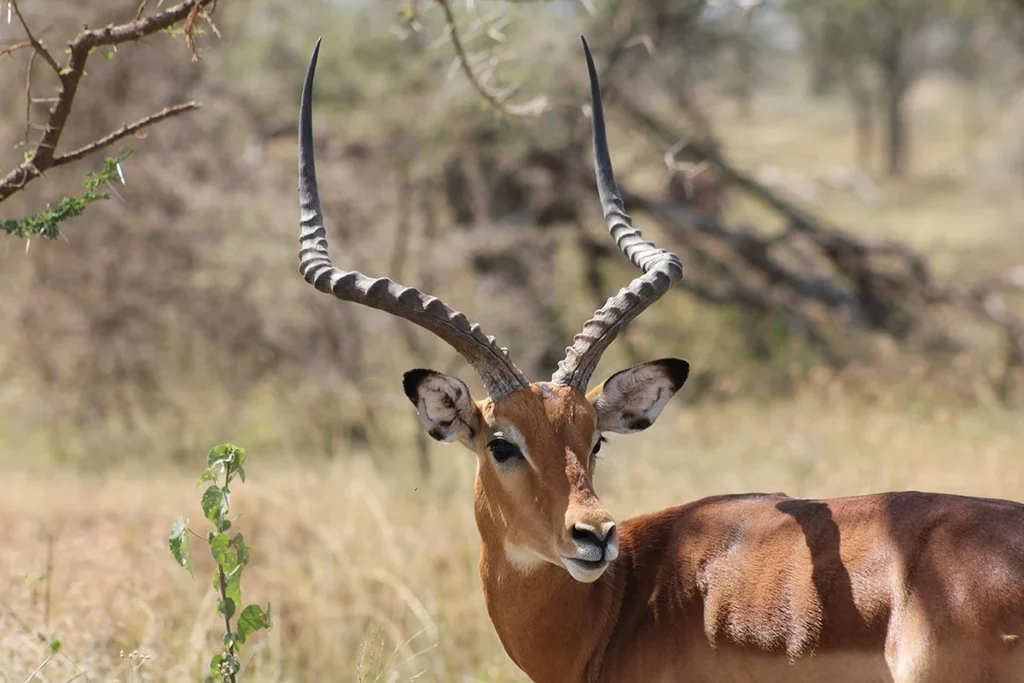
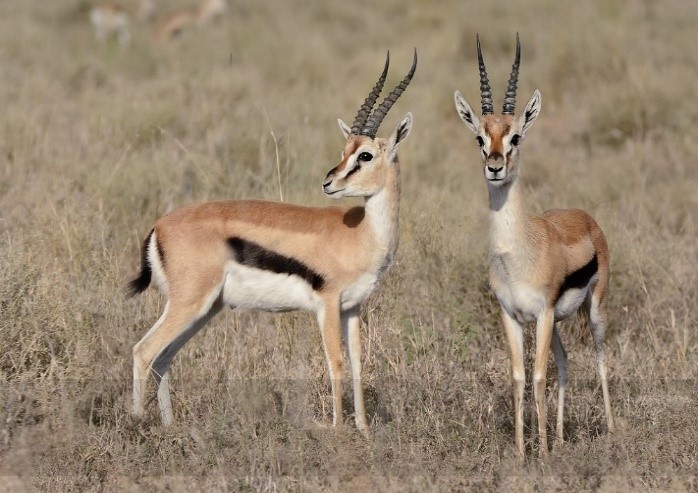
The Serengeti safari park’s environment boasts a remarkable diversity of antelope species. The most conspicuous species include the Thomson gazelle, Grant gazelle, impala, topi, and eland. Each species possesses distinctive characteristics that render them visually appealing. An example of these gazelles, inhabiting broad plains, is the Thomson’s gazelle, a little and swift creature, characterized by its keen vigilance, often observed grazing in substantial herds. Their distinctive characteristics and contours of the horns augment their allure, with photographers serving as their most valuable asset. Grant’s gazelles are slightly larger, with elongated horns, and exhibit more strength. They are often observed in mixed flocks with Thomson’s gazelles, creating a lively and dynamic effect on the savannah.
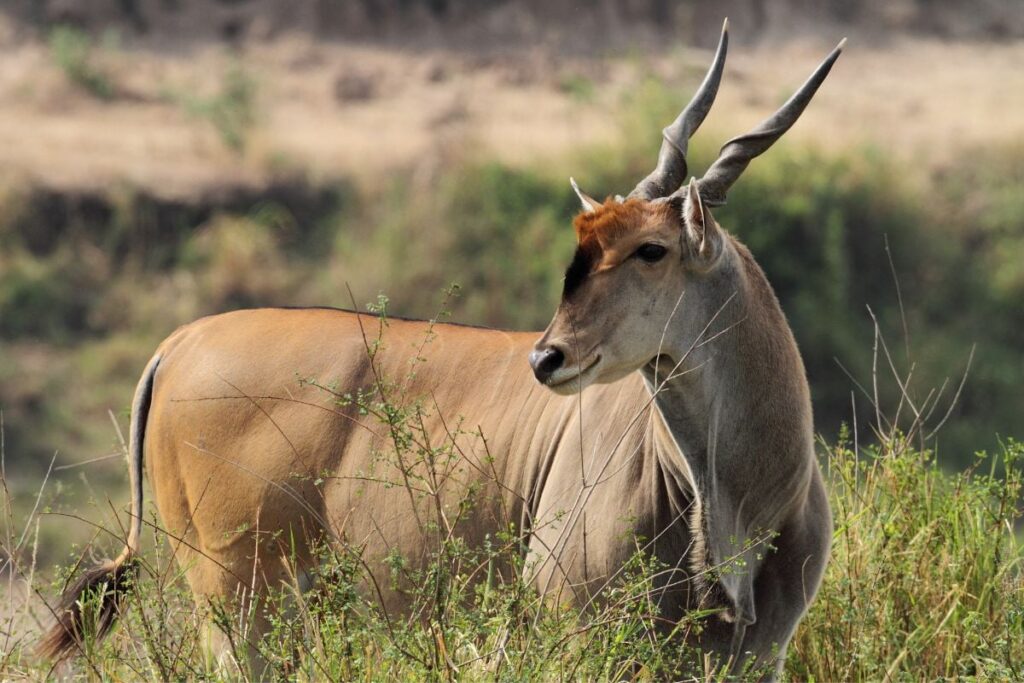
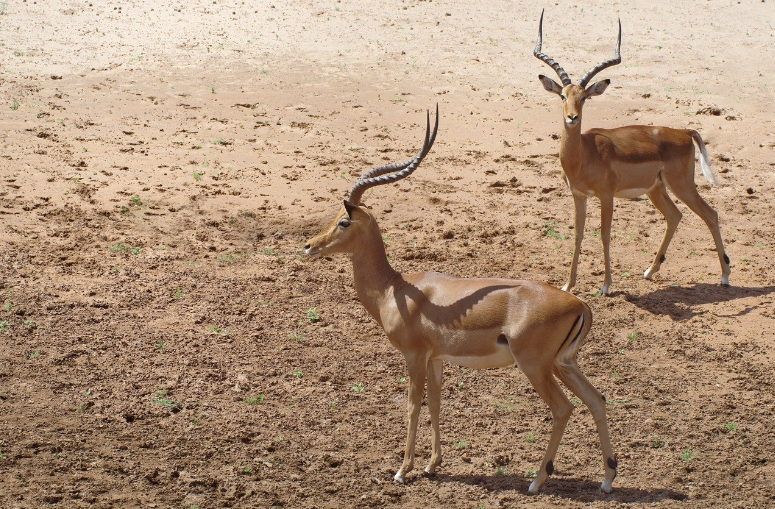
The impala is another intriguing animal, characterized by its white underbelly and reddish-brown hue. They are medium-sized antelopes that exhibit remarkable agility and can be observed leaping gracefully to evade predators. Topi, characterized by their lustrous reddish-brown bodies and dark features, frequently inhabit herds on grasslands. They are highly sociable beings, often engaging in collective behaviors that illustrate their intricate herd dynamics. The eland, the biggest antelope in Africa, is another species inhabiting the Serengeti. Elands possess a more somber and stately presence, characterized by their enormous spiral horns and dignified demeanor. The observation of these animals grazing collectively offers insight into the functioning of the intricate and interconnected ecosystem in the Serengeti.
The habitat of antelopes and the terrain of the Serengeti.
The Serengeti is not a park but an extensive network of ecosystems, comprising open grasslands, savannahs, woodlands, and riverine forests. Antelopes are animals that have adapted to various habitats within this landscape. The broad plains, characterized by short grasses, are most suitable for Thomson’s and Grant’s gazelles. The visibility will allow these little antelopes to detect predators from afar, enabling their survival through speed and vigilance. Conversely, their equivalents, impalas, prefer ample vegetation cover, woods, and proximity to water sources for protection against predators and access to fresh leaves.
Topi and eland have greater flexibility and typically demonstrate considerable mobility between the plains and low-wooded areas in search of grazing opportunities. Precipitation influences food accessibility, prompting these antelopes to wander inside the Serengeti Safari Park. The observation of this movement signifies the delicate equilibrium between predator and prey, as well as the intricate rhythms of life that define the Serengeti.
Social Behavior and Dynamics of Antelope.
A view of antelopes in the Serengeti offers insight into fascinating social dynamics and survival strategies. It is a quintessential human instinct to congregate, which provides the advantage of numerical power. Gazelles and topi congregate in herds for sustenance and alert one another to potential threats. In some species, territorial marking and defense are performed by males, particularly in topi and eland, and are linked to posturing and head-butting. These interactions are captivating to witness and underscore the intense survival constraints prevalent in the Serengeti, exemplifying the wildlife dynamics.
The antelopes exhibit vigilant and cautious behavior, consistently scanning their environment to ascertain the presence of predators. The park features lions, cheetahs, hyenas, and leopards, all of which are active predators, while antelopes employ their speed, agility, and keen senses to evade them. This movement transforms each observation into an intimate portrayal of the natural drama, the realm of life upon the stage and mortality upon the grass of the Serengeti. Wildlife enthusiasts and photographers will have boundless opportunities to capture moments of beauty, tension, and vitality.
Best Time to See Antelopes
The antelope populations are observable year-round in the Serengeti, however certain periods may enhance the experience. The dry season is from June to October, which is particularly conducive to observing huge herds. During this season, water is limited, prompting animals to gather near rivers, waterholes, and grazing areas, making them more visible. The landscape is more defined, providing clear vistas of the plains and the herds that traverse them.
The rainy season, occurring from November to May, transforms the terrain as the rains rejuvenate the savannah. This period marks the birth of young antelopes, providing visitors with a unique opportunity to observe infants as they learn to walk and graze. Despite the increased density of foliage making animal observation more challenging, the vibrant images of the park’s flora and blooming plants serve as exceptional photographic subjects. Guided trips will enable guests to experience the optimal population of antelopes in the Serengeti during both the dry and wet seasons.
Adventure Tours and How to be a Safarist.
To observe the antelopes of the Serengeti, one must undertake a guided safari in Tanzania. The expert guides possess extensive knowledge of animal behavior and the park’s geographical layout, enabling visitors to identify herds efficiently and safely. Game drives typically occur in the morning or late afternoon when sunlight is subdued, and animals exhibit heightened activity. The early morning safaris offer the chance to observe antelopes grazing in the cold hours, often accompanied by a hazy landscape that imparts an ethereal quality to photographs. Afternoon drives are inherently spectacular and provide an opportunity to observe antelopes prior to their nocturnal rest.
Accommodations in and around the Serengeti cater to diverse preferences, including five-star hotels with all-inclusive panoramic vistas of the plains, as well as tented camps that immerse visitors in the nature. The benefit of remaining in the park is the opportunity for extended game drives and early access to prime animal viewing sites. Tourists are advised to don neutral colors to harmonize with the environment, bring binoculars for distant animal observation, and utilize a high-quality zoom lens on their cameras to capture the elegance and movement of the antelopes without alarming them.
Local Communities and Cultural Interactions.
The Serengeti region is not just a wildlife sanctuary but also a site of cultural heritage. The Maasai are a local community that has successfully coexisted with nature over time. Tourists can comprehend the Maasai culture, their pastoral lifestyle, and their harmonious coexistence with the wildlife in the park. This enriches the Tanzania safari experience, since these cultural interactions illustrate the coexistence of humans and wildlife within this extraordinary landscape. Engagement with local communities serves as a criterion for sustainable tourism initiatives, facilitating conservation and community development efforts.
The Antelopes and the Conservative Movement.
Antelopes play a crucial role in the Serengeti ecology. As primary herbivores, they influence vegetation patterns and provide sustenance for carnivores, so maintaining the ecological balance within the park. These species are safeguarded to ensure the integrity and diversity of the environment.
The conservation initiatives in the Serengeti focus on habitat preservation, anti-poaching measures, and community engagement, ensuring the continued existence of generations of antelopes and other wildlife. Tourists can contribute to responsible tourism, comply with park regulations, and appreciate the natural beauty of this remarkable wonder by visiting it.
Observation and Photography of Wildlife.
Capturing images of antelopes in the Serengeti requires time and meticulous attention from photographers and wildlife enthusiasts. The morning and evening light optimally accentuates the creatures’ coloration, markings, and graceful movements. A detailed observation can be achieved by utilizing binoculars to examine the herds without causing any disruption to them. Motion is a crucial element in antelope photography; therefore, anticipating movements, tracking the animals, and being ready to capture can yield an exhilarating experience.
Wildlife tourism is an immersive and considerate endeavor rather than a just photographic activity. Auditory observations of the plains, the behavior of herds, and interactions with predators render the experience significantly more immersive than the visual aspect alone.
The Great Serengeti Adventure.
Several factors must be considered while arranging a journey to observe the antelopes of the Serengeti. Key Tanzanian cities that provide access to the park are Arusha and Kilimanjaro via roadways and airstrips. Safaris can range from luxurious lodge accommodations to budget-friendly camping excursions, depending on individual interests and travel styles. Guided tours, small group excursions, or solo safaris offer personalized attention and excellent opportunities for wildlife observation. One must also be prepared for fluctuating weather conditions, ensuring adequate sun protection, layered attire, and sufficient hydration for the often arid and warm plains.
The journey to the Serengeti beyond mere animal observation; it involves integrating into an ecosystem where every species plays a crucial role. The interaction with the antelopes and their behaviors, along with the recognition of their integration into the expansive Serengeti landscape, constitutes an experience that will endure well beyond the conclusion of the journey.
Conclusion
Observing the antelopes in Serengeti National Park is an indelible memory, showcasing the nimble fauna of the African continent and one of its most exquisite creatures. The Thomson’s gazelle is the smallest and most vigilant, whereas the eland is the largest and most formidable species in the Serengeti habitat. By observing vast herds on the open plains and capturing their social dynamics through photography, tourists will return home with memories of nature in its purest form. Planning a safari to the Serengeti is not merely a journey; it is an invitation to experience animals, to discover one of the world’s most esteemed landscapes, and to embark on a once-in-a-lifetime adventure on the African plains. The opportunity to embark on this trip has never been more favorable, and every tourist who visits the Serengeti possesses stories of elegance, movement, and awe regarding the splendid antelopes within the park.