Amboseli National Park
Amboseli National Park is one of the most significant protected places in Kenya. The park is situated in the southern region of the country, approximately a four-hour drive from Nairobi, the capital of Kenya. Amboseli National Park was founded in 1974 and encompasses an area of 392 square kilometers. It ranks as one of the most frequented safari sites in Kenya due to its varied fauna.
This remarkable safari site is situated near the border of Kenya and Tanzania, with a habitat akin to that of the Serengeti and Masai Mara, which likewise extends across both nations. The word Amboseli originates from the Maasai people, the indigenous inhabitants of the region, and signifies salty dust. The Amboseli National Park environment consists of arid, dusty regions that transition into swampy vegetation and many tiny water bodies. This ecosystem harbors the diverse wildlife species present in the park. UNESCO designated Amboseli National Park as a World Heritage site in 1991.
Wildlife in Amboseli National Park
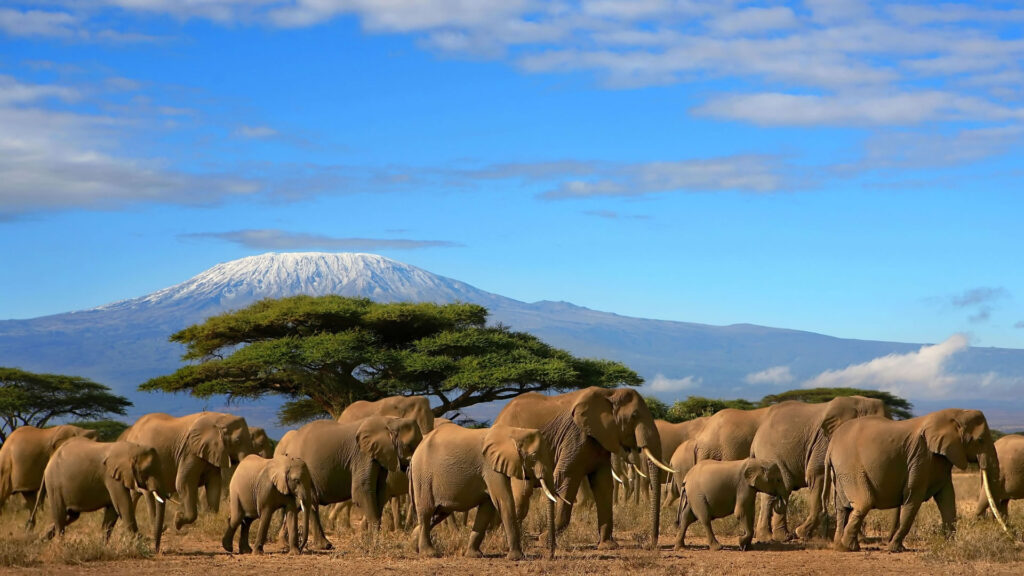
Amboseli is renowned as the land of giants because to its significant population of elephants, the biggest creatures on land. Three of the Big Five mammals are readily observable here: elephants, buffaloes, and lions. Leopards inhabit the park, however they are seldom observed.
Giraffes, the tallest terrestrial mammals, are plentiful in the Park. Hippos, wildebeests, zebras, and hyenas are frequently observed safari animals in Amboseli National Park. The park hosts approximately 400 bird species, establishing it as one of the premier birding safari locations in Kenya.
Activities in Amboseli National Park
Game Drives
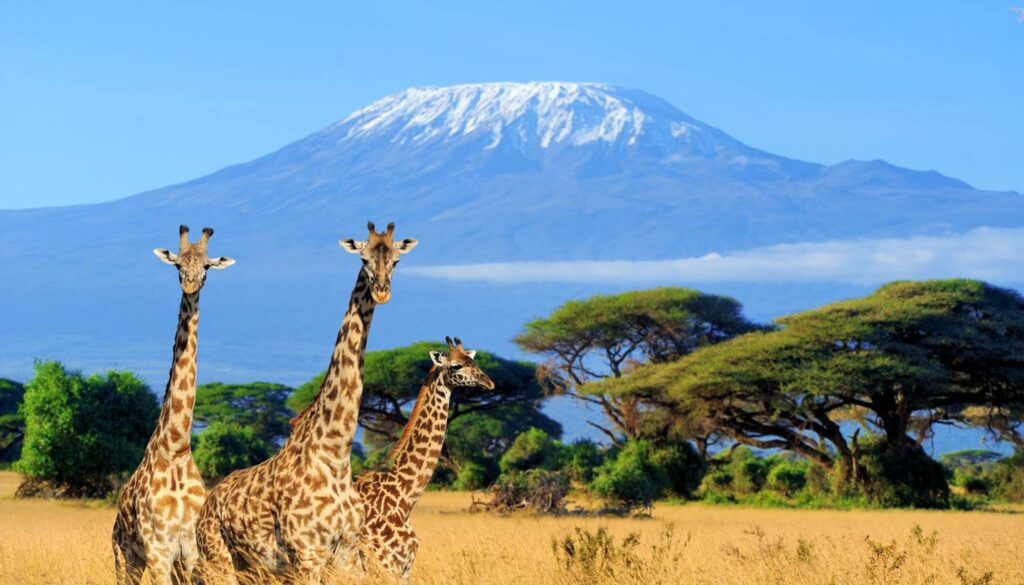
Safari Game drives are the predominant activities conducted in Amboseli National Park. The park features Mount Kilimanjaro in the background, making it the optimal location to view the summit, despite its being in Tanzania. The breathtaking vistas of Mount Kilimanjaro during game drives enhance their extraordinary quality.
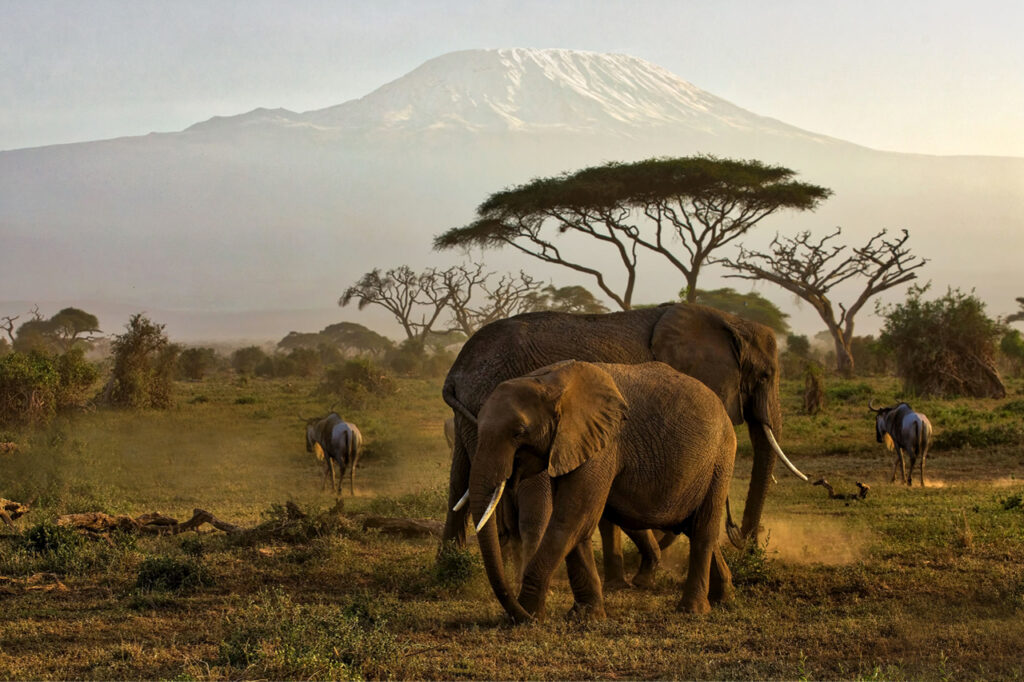
Prominent safari fauna, particularly elephants, are frequently observed with the Mountain as a backdrop. Kenya safaris showcasing these majestic creatures are most logical when conducted in Amboseli National Park. The optimal periods for all game drives are typically in the mornings and late evenings. During this period, the animals exhibit heightened activity and are fascinating to observe as they engage in their natural behaviors in the wild.
Guided Nature Walks
Nature hikes provide a another means of intimately experiencing the Amboseli ecology. Despite its untamed nature, these walks are restricted. The observation hill in Noomotio is one of the limited locations in the park where one can partake in a walking safari. A stroll through this magnificent habitat is extraordinary and fosters a genuine appreciation for the grandeur of Kenya.
Birding Discovery Journeys
The avian diversity of Amboseli National Park captivates numerous enthusiastic ornithologists. The park features a variety of distinct environments that enhance birding experiences. Avian species such as grey-crowned cranes, herons, and pelicans are frequently observed in marshy regions. This is due to their preference for residing in that type of ecology.
Steel-blue whydahs and hornbills inhabit wooded regions. Conversely, the open savannas host certain avian species. The avian diversity and experiences one encounters in Amboseli are quite enjoyable.
Photography Tours in Amboseli National Park
Photography safaris and Journeys of Discovery are gradually influencing savanna wildlife encounters. The wilderness provides exceptional and poignant experiences that people cherish documenting throughout a safari. Wildlife photography has emerged as a significant career prospect for many, with Amboseli National Park ranking among the premier locations in Kenya for photographers seeking safari experiences.
The park offers numerous subjects to capture. Regardless of the frequency of your visits, each experience will remain distinct and unparalleled.
Accommodation Amboseli National Park
A variety of lodging accommodations were established in the park to support adventure Discovery Journeys. These encompass economical camping accommodations to opulent safari hotels. The three cheap accommodations available are Kilimanjaro Guesthouse, Chui Cottages, and Simba Cottages. They offer self-catering facilities, allowing you to prepare your preferred meals while significantly reducing expenses compared to luxury lodges that impose full board fees. A camping site is available for tent pitching. Amboseli Campsite is perfect for adventure enthusiasts willing to immerse themselves in the environment. Campsites, albeit deemed rudimentary, offer greater adventure. Camping allows for intimate encounters with nature and authentic experiences that are often absent in luxurious accommodations. Notable safari lodges comprise Amboseli Serena Lodge, Tortilis Tented Lodge, and Oltukai Lodge, among others.
Getting there to Amboseli National Park
Amboseli National Park is accessible via both terrestrial and aerial transportation. Road excursions in any nation are pleasurable as they enhance opportunities for social interaction. During transportation, you have the opportunity to see several sights, which contribute to the formation of memories and overall experiences. Additional destinations are accessible via vehicle transfers.
Despite the mere 4-hour journey to Amboseli, some individuals opt to fly. Air travel offers distinct advantages, such as time efficiency, allowing for an earlier arrival at the site and the commencement of safari excursions. Scheduled and chartered flights operate from Nairobi and other premier safari locations to Amboseli. Prominent domestic flight operators comprise Safarilink, Mombasa Air Safari, and Air Kenya.
A Kenya flying safari allows you to go from Amboseli to various other safari areas, such as Masai Mara.
Best Time to Visit Amboseli National Park
Amboseli National Park is accessible year-round. For optimal wildlife observation and safari photography, we advise visiting during the dry season. This often occurs from June until October. From January to March, the conditions are rather arid, providing excellent opportunities for animal observation.
April, May, and November are precipitation-heavy months, however they remain excellent periods for visiting the park. Rainfall clears the atmosphere, allowing for a clear view of Mount Kilimanjaro, a significant attraction. The precipitation promotes vegetative growth, and wildlife observation is similarly exceptional. This season is optimal for birdwatching due to the presence of migratory species in the park.
Certain Kenya Safaris include Amboseli, which we strongly endorse. Expeditions to this safari destination exemplify our commitment to experience travel.