Walking Safaris in Ngorongoro
Walking Safaris in Ngorongoro: the Ngorongoro Conservation Area is a renowned tourist destination in northern Tanzania, with a crater, diverse wildlife, and a rich cultural heritage. While the majority of visitors appreciate the conventional game drives, a walking safari in Ngorongoro offers a more intimate and adventurous opportunity to explore the stunning surroundings.
A walking safari is the optimal method to explore the environment with expert guides, allowing for the discovery of elements inaccessible by car and facilitating intimate encounters with nature. This tour has garnered increased appeal among tourists seeking authentic East African safaris.
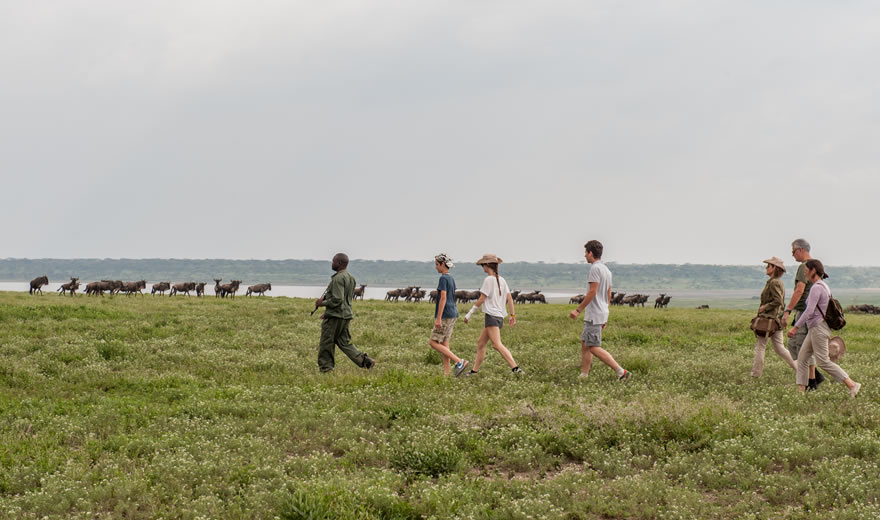
What is the purpose of a walk-in safari in Ngorongoro?
Ngorongoro walking safaris provide a distinct perspective compared to conventional game drives. The traveler, on foot, can observe the lesser wonders of the ecosystem, including several species of birds, insects, medicinal plants, and animal footprints. These safaris bring you closer to the wild environment and provide safety under the supervision of armed rangers and indigenous Maasai. They cater to adventurous travelers who like to participate in animal activities while simultaneously experiencing cultural immersion. Furthermore, walking safaris reduce vehicular noise and represent a more sustainable form of tourism.
Where are Walking Safaris conducted in Ngorongoro?
In the Ngorongoro Conservation Area, walking safaris are permitted exclusively in designated locations and are prohibited on the main crater floor. The Empakaai Crater, a much visited location, features an alkaline lake, a flourishing forest, and numerous flamingos.
Another attraction is the Olmoti Crater, which features picturesque landscapes and scenic pathways leading to the Munge Waterfall. One can traverse the highlands between Ngorongoro and Empakaai, enjoying magnificent vistas of the Great Rift Valley and encountering Maasai individuals along the route. These tours encompass a blend of natural landscapes, wildlife observation, and cultural interaction.
Terrestrial Wildlife Encounters
While traversing Ngorongoro, guests can safely view giraffes, zebras, wildebeests, gazelles, and possibly elephants or buffaloes. The birdlife is notably enriched, with sightings of turacos, sunbirds, and raptors.
Due to the presence of predators such as lions and leopards in the area, walking safaris are consistently conducted under the supervision of armed rangers to guarantee guest safety. A walking safari, in contrast to game drives, emphasizes observation and analysis rather than the pursuit of large wildlife, making it an educational experience for nature enthusiasts and photographers.
Maasai Cultural Experiences.
Ngorongoro tours are integrated with walking safaris and cultural excursions to Maasai settlements. The Maasai people have coexisted with wildlife in the protected area for decades, and their traditional wisdom enhances the significance of their safari experience.
Tourists can learn about Maasai pastoralism, traditional medicine, and the profound connection these individuals have with their land. Engaging in storytelling with Maasai guides during a walking safari enhances cultural understanding and renders the experience more authentic.
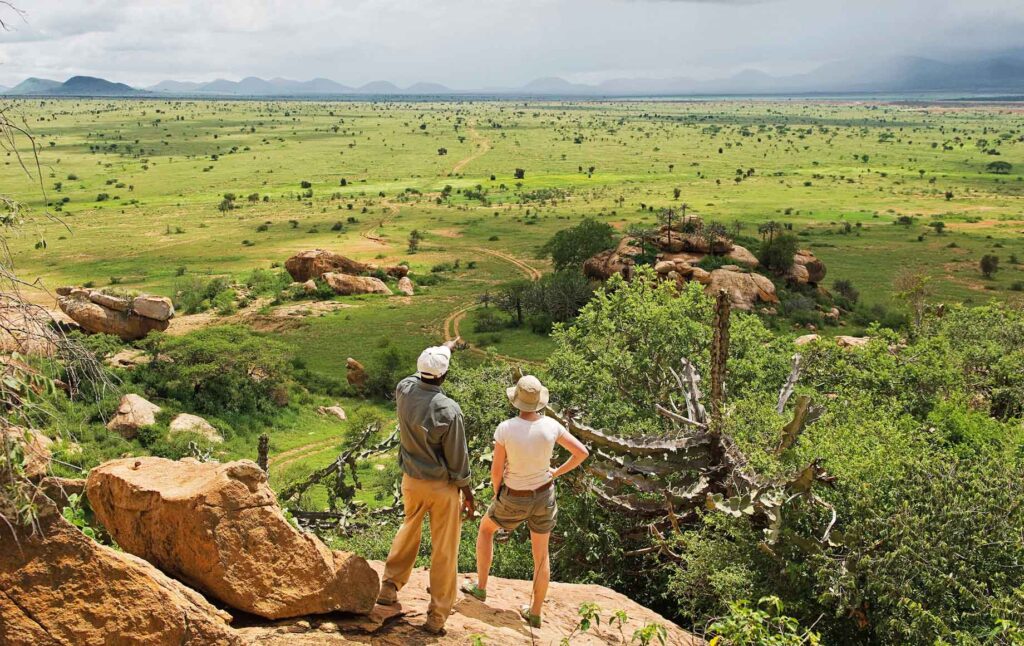
Premier Walking Safaris in Ngorongoro.
Walking safaris in Ngorongoro should be undertaken during the dry seasons (June to October and December to February), as this period offers the optimal experience. Highways are more accessible, and fauna is more conspicuously observable near waterways.
Walking pathways may become challenging and muddy during the rainy seasons (March-May and November), although the sceneries remain verdant and picturesque. Choosing the suitable season will provide comfort, safety, and optimal photographic conditions.
Practical Guidance on Walking Safaris.
If a person opts for a walking safari in Ngorongoro, they should bring comfortable footwear, lightweight clothing, a hat, and sunscreen. Birdwatching and close-up observation necessitate the utilization of binoculars and cameras. Always carry water and adhere to the ranger’s directions.
Walking safaris require moderate physical fitness. Safety regulations typically restrict youngsters under the age of 12 from doing extended walks. Utilizing a certified tour operator ensures the acquisition of appropriate permits, access to expert guides, and efficient logistics.
Accommodation Alternatives
Ngorongoro offers a range of accommodations to suit different financial capacities. Establishments such as Ngorongoro Crater Lodge provide opulent accommodations and sweeping vistas, while mid-range lodges and tented camps deliver a real Tanzanian safari experience.
The crater rim campsites serve as an excellent choice for budget travelers and provide stunning sunrises. Numerous resorts and camps conduct guided walk safaris, facilitating their inclusion in visitors’ itineraries.
Walking safaris should be integrated with additional activities.
Walking safaris are either combined with traditional wildlife drives in the Ngorongoro Crater, a visit to Olduvai Gorge for archaeological insights, or a cultural tour in Karatu town. The Ngorongoro Highlands to Lake Natron walking safari offers ambitious guests a multi-day experience showcasing volcanic landscapes, flamingo populations, and Maasai homesteads. A combination of activities effectively facilitates a balanced experience of wildlife and cultural heritage.
In conclusion: The Memorability of Walking Safaris in Ngorongoro.
Ngorongoro is the sole region offering walking safaris, providing an opportunity to traverse the wilderness and experience Tanzania in a more intimate and connected manner. This exceeds conventional safaris, featuring striking landscapes, diverse fauna, and cultural interactions with the Maasai.
Embarking on a walk to Empakaai Crater, traversing the highlands, and participating in Maasai-guided tours unveils a unique narrative at every step amidst the natural and cultural marvels of East Africa. Walking safaris in Ngorongoro provide an unforgettable experience for safari enthusiasts seeking to see the terrain intimately, engage with its authenticity, and appreciate its beauty more profoundly.