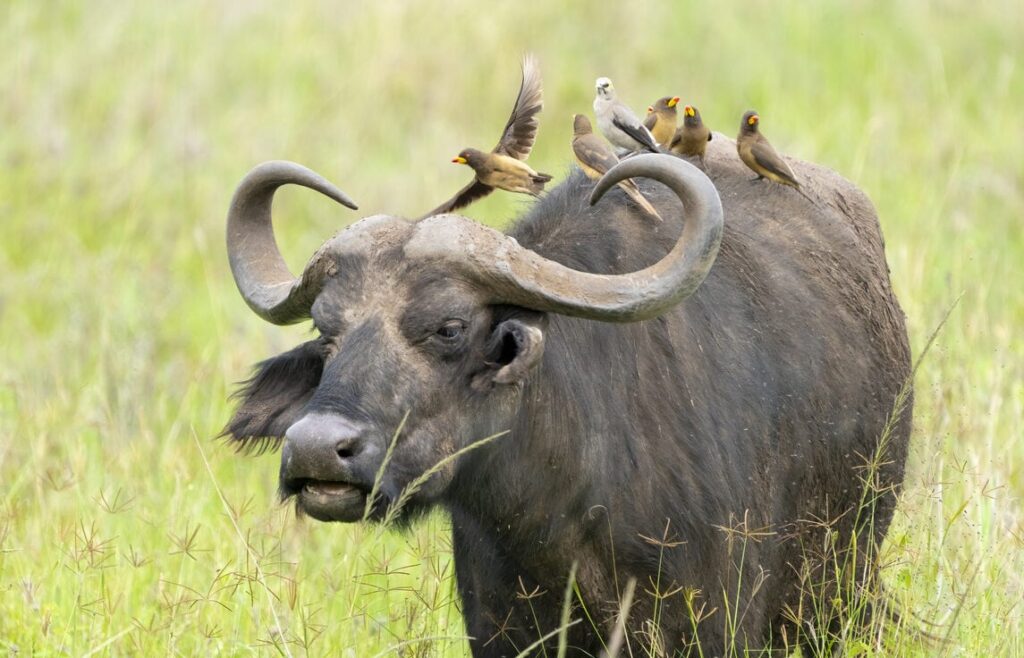
7 Day Tanzania Wilderness Safari
7 Day Tanzania Wilderness Safari: To see the high concentration of wildlife, such as lions, cheetahs, and at some seasons of the year, the world-famous “Great Wildebeest Migration,” this incredible safari will take you to Tanzania’s best safari destinations. The itinerary includes visits to Ngorongoro Crater, Lake Manyara, Tarangire, and the Serengeti. The walking safari at Lake Eyasi, where you may observe the way of life of the northern Tanzanian bushmen, is another highlight of this journey.
Destinations Visited
- Lake Manyara National Park
- Serengeti National Park
- Serengeti Central (Cental Seronera)
- Ngorongoro Crater
- Lake Eyasi
- Tarangire National Park
Day 1 Lake Manyara National Park from Arusha
We drive to Lake Manyara after picking you up from your accommodation. The Maasai term “manyara,” which is the Swahili name for the shrub Euphorbia tirucalli, is where the park got its name. This shrub, which grows into a very resilient stockproof hedge, is used by the Maasai to make livestock stockades. A crack in the earth’s crust that runs 8,000 kilometers (4,971 miles) from Turkey to the mouth of the Zambezi River in Mozambique includes the Great Rift Valley. The Rift Valley is so large that astronauts could see it clearly when they landed on the moon.
Day 2: National Park Serengeti
Following breakfast, we travel to the Serengeti, Tanzania’s oldest and most visited national park. It is well-known for its yearly migration, during which six million hooves pound the wide plains as 300,000 Thomson’s gazelle and over 200,000 zebras join the wildebeests in their quest for new grazing. The Serengeti, however, provides an outstanding African game-viewing experience even when the migration is low-key.
Day 3 National Park of the Serengeti
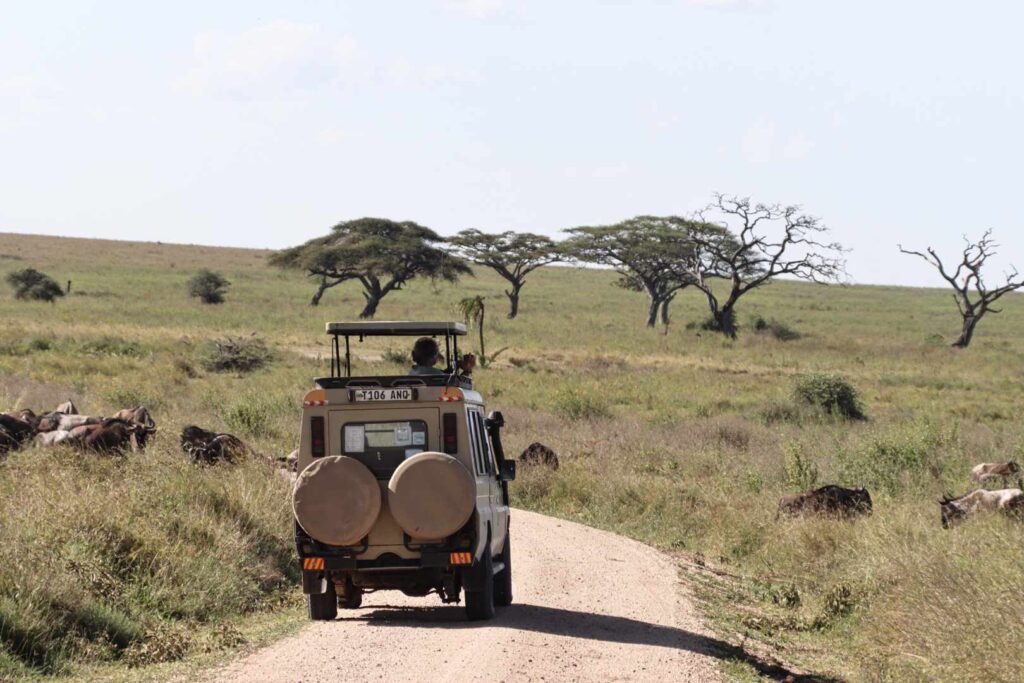
Following a satisfying breakfast at the lodge, enjoy a delicious lunch before embarking on a full-day wildlife drive in Seronera, the central Serengeti. Return by car to the lodge in the evening for dinner and the night. The Serengeti, Tanzania’s oldest and most visited national park, is a world heritage site and was recently named the seventh wonder of the world. It is well-known for its yearly migration, in which over 200,000 zebra and 300,000 Thomson’s gazelle join the wildebeests on their quest for new grazing, causing about six million hooves to pound the open plains. Thousands upon thousands of eland, topi, kongoni, impala, and Grant’s gazelle can be seen in the Serengeti, which is home to some of Africa’s most spectacular game viewing, even during the quieter migration seasons.
Day 4 Ngorongoro Crater
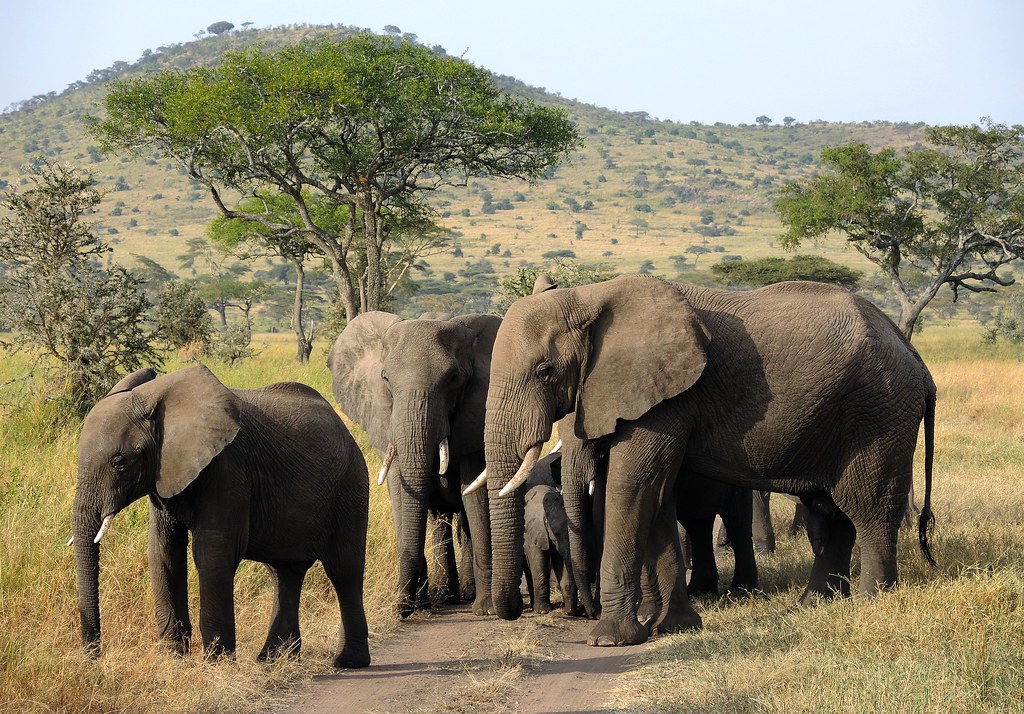
We begin with a game drive inside the Ngorongoro Crater early in the morning. Because the crater’s walls are 2000 feet high, relatively few animals move in and out of it, but you may expect to see lions, elephants, zebras, hippos, flamingos, jackals, rhinos, antelopes, and a variety of birds. The world-famous Ngorongoro Crater serves as the focal point of the vast highland Ngorongoro Conservation Area (NCA), which runs along the eastern arm of the Rift Valley.
Day 5: Tour to Lake Eyasi (Hadzabe, Datoga)
In order to visit the bush men and witness their hunting and collecting of wild fruits, we set off for Lake Eyasi. In north-central Tanzania, there is an indigenous ethnic group known as the Hadza or Hadzabe. They reside in the nearby Serengeti Plateau and Lake Eyasi in the central rift valley. The Hadza are among the remaining hunter-gatherers in the world, with a population of little under 1,000.
6 Day Tarangire National Park
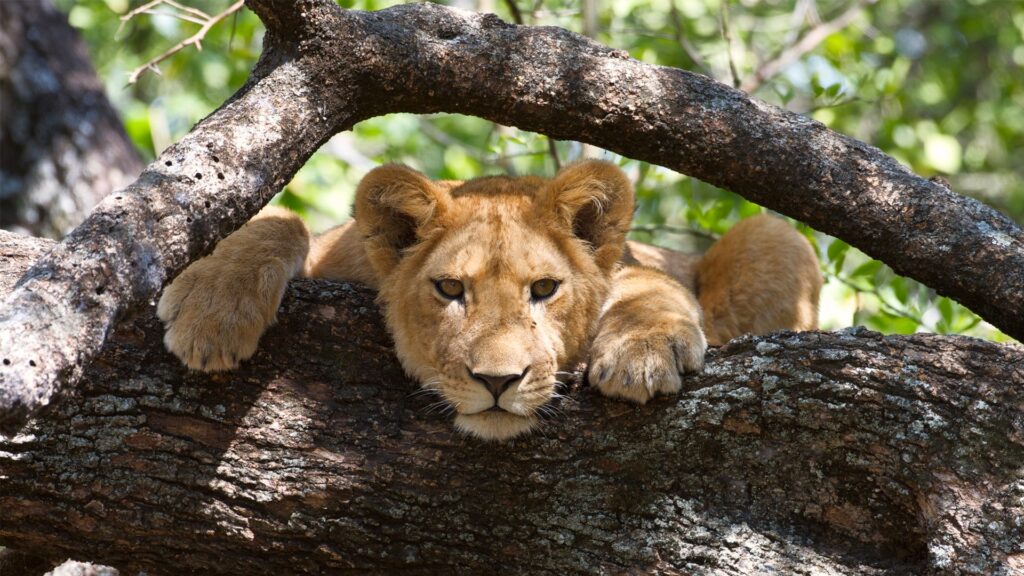
Large herds of elephants, tree-climbing lions, and the amazing baobab trees—also known as the Tree of Life for the almost legendary qualities that certain cultures attribute to them—are the highlights of Tanzania’s largest national park, which is situated in the Manyara region. The Tarangire River, which flows year-round and serves as the sole source of water for untamed animals during dry seasons, is the park’s most well-known feature.
Day 7: Tarangire National Park – Arusha .
Before returning to Arusha, we go on another wildlife drive in Tarangire. You’ll be dropped off at the hotel or the airport.