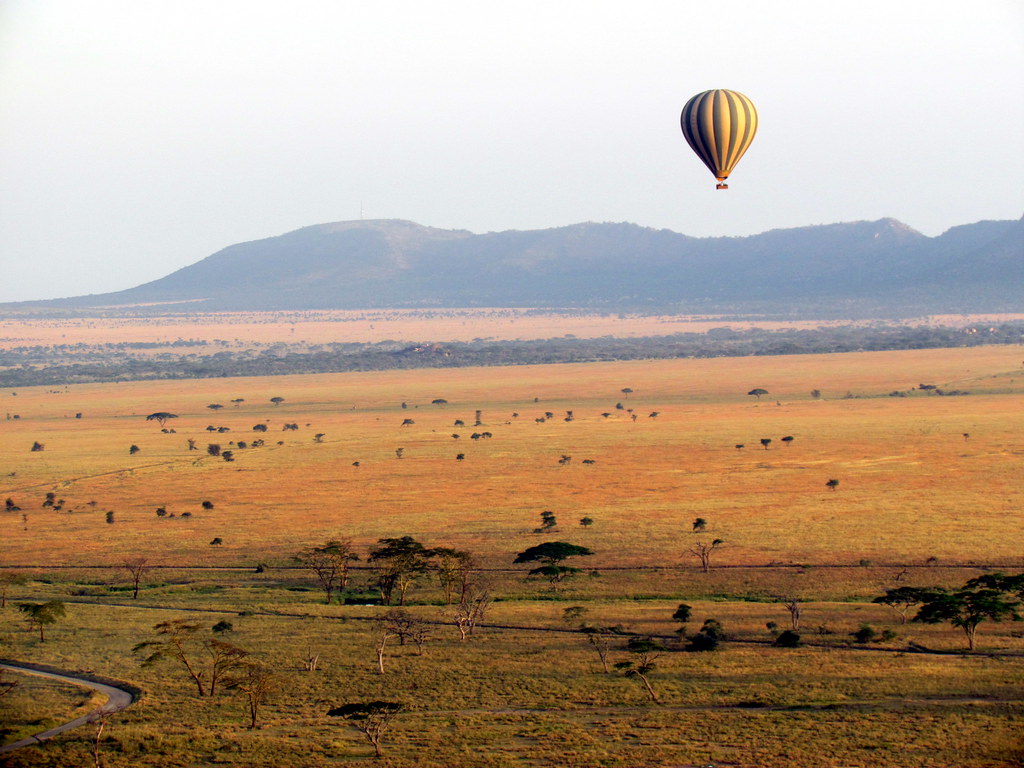
Wogakuria Area in Serengeti National Park
Wogakuria Area is a unique region replete with extraordinary marvels. Wogakuria’s casually open meadows markedly contrast with the dense forests that envelop the remainder of Northern Serengeti National Park. This facilitates the highest density of cheetahs in the Northern Serengeti National Park, while the adjacent broadleaf woodlands support the rare and exquisite oribi antelope. The focal point of this location is the stunning Wogakuria Kopjes, inhabited by aged buffalo bulls and the agile klipspringer antelope.
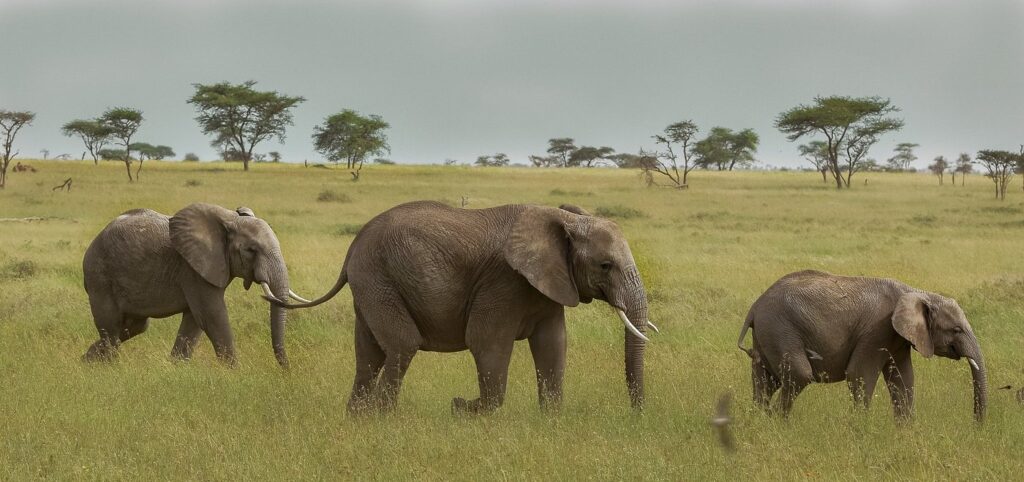
Explore Serengeti National Park in Tanzania with the suggested tour operators or contact us below to arrange your safari straight on this page.
The Serengeti National Park was formerly occupied by the Masai tribe, who utilized the area as grazing grounds. The Park is named after the Masai people. The term “siringet,” meaning a location where the land extends, is the origin of the park’s name. The initial American to visit this park did so in 1913 and 1920. He arrived with the idea of hunting. Accompanied by his buddies, he was astonished by the profusion of wildlife present.
Observing the wildebeest traverse thousands of kilometers from Serengeti National Park to Masai Mara. It is an extraordinary experience that everyone should have the opportunity to observe. The gazelles and zebras are another group of creatures worthy of observation. They migrate alongside millions of wildebeest, traversing from the Serengeti to the Masai Mara.
The park encompasses around 14,763 square kilometers. This renders it one of the largest parks in Tanzania as well. The vast grasslands shown by the Masai are inhabited by wildebeests. These animals are in high demand throughout their calving and migratory periods. The park extends from the Masai Mara game reserve in Kenya, facilitating the migration of wildebeest to Kenya during the dry season in pursuit of water and lush grass.
Flights to the Serengeti enable year-round access to Serengeti National Park, including during the wet season, alleviating concerns regarding poor road conditions. You must collaborate with your operator to ensure the payment of the necessary permissions. This permits your entry to the park without use any of the gates. The prevalent airstrips in the Serengeti are Seronera (SEU), Kogatende (KOG), Sasakwa (SSK), Lobo (LOB), Ndutu (NDT), Kusini, Fort Ikoma, and Kirawira B airstrips.
Seasonal Highlights
For the Wogakuria
Recommended Month to Visit
| Month | Season | Recommended | Weather | Wildlife Sightings |
| Jan | Green Season | NO | 60 – 85 F Mostly sunny with few showers |
– – – – – |
| Feb | Green Season | NO | 60 – 85 F Mostly sunny with few showers |
– – – – – |
| Mar | Green Season | NO | 60 – 83 F Mostly sunny with few showers |
– – – – – |
| Apr | Green Season | NO | 60 – 83 F Mostly sunny with few showers |
– – – – – |
| May | Northward Migration | NO | 56 – 81 F Mostly sunny |
– – – – – |
| Jun | Beginning of Dry Season | YES | 56 – 81 F Mostly sunny |
Wildebeest Migration, Zebra Migration, Lion, Elephant, Giraffe, Impala, Buffalo, Hippo |
| Jul | Dry Season | YES | 60 – 83 F Mostly sunny |
Wildebeest Migration, Zebra Migration, Lion, Elephant, Giraffe, Impala, Buffalo, Hippo |
| Aug | Dry Season | YES | 55 – 81 F Mostly sunny |
Wildebeest Migration, Zebra Migration, Lion, Hyena, Elephant, Giraffe, Impala, Buffalo, Hippo |
| Sep | Dry Season | YES | 55 – 81 F Mostly sunny |
Wildebeest Migration, Zebra Migration, Lion, Hyena, Elephant, Giraffe, Impala, Buffalo, Hippo |
| Oct | Dry Season | YES | 60 – 83 F Mostly sunny |
Wildebeest Migration, Zebra Migration, Lion, Hyena, Elephant, Giraffe, Impala, Buffalo, Hippo |
| Nov | Southward Migration | YES | 60 – 83 F Mostly sunny with few showers |
Wildebeest Migration, Zebra Migration, Lion, Hyena, Elephant, Giraffe, Impala, Buffalo, Hippo |
| Dec | Beginning of Green Season | NO | 60 – 83 F Mostly sunny with few showers |
– – – – – |