Queen Elizabeth National Park
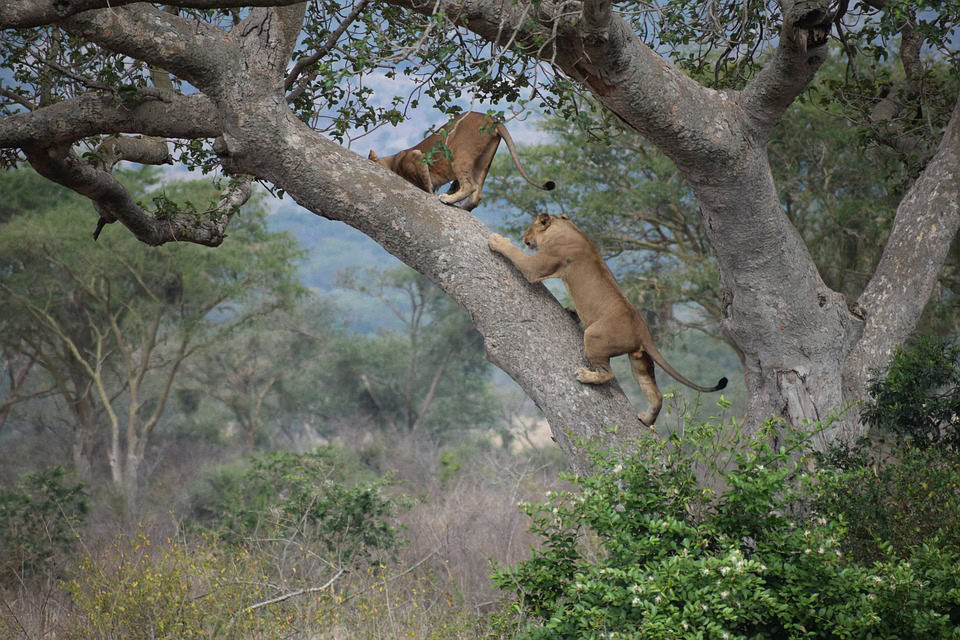
Queen Elizabeth National Park is one of Uganda’s most renowned national parks, attracting thousands of visitors each year due to its diverse fauna. Queen Elizabeth National Park, named in honor of Queen Elizabeth II of England, was established in 1954. It is situated in the Bunyaruguru area in western Uganda. It is referred to as a melody of wonders because of its diverse attractions, including tree-climbing lions, chimps, zebras, leopards, hippos, crocodiles, buffalo, a variety of bird species, numerous insects, and many additional features.
Activities in Queen Elizabeth National Park
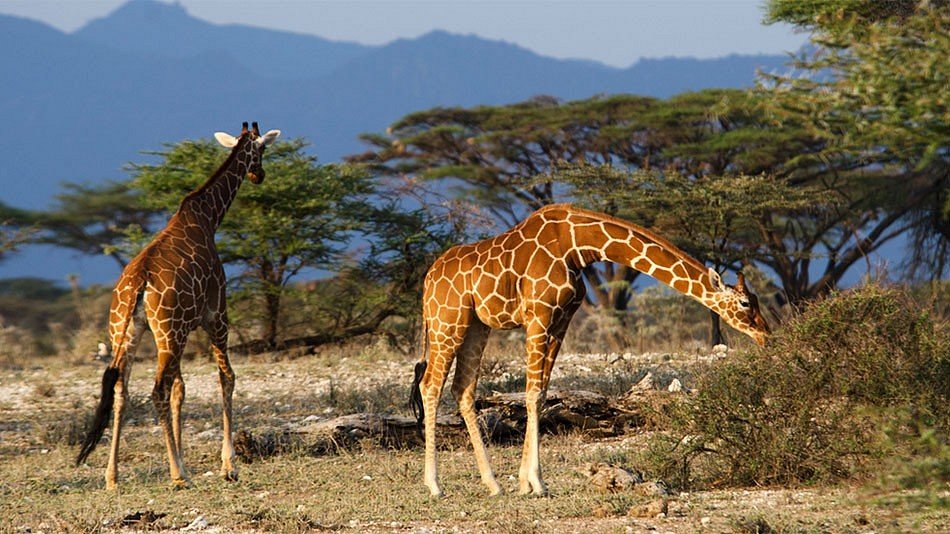
Numerous activities are available, including Game Drives, Cultural Encounters, lion experiences, Nature walks, Hippo Census, and Bird Watching, all of which will provide visitors with joyful, lasting memories, as detailed below;
Game drive:
This activity is most effectively conducted in the early morning when visitors are likely to observe many species, including lions, mongooses, elephants, buffaloes, a range of antelopes, and other wildlife in the park; however, the game drive can also occur throughout the evening and nighttime hours. This activity incurs varying charges for foreign residents, foreign non-residents, Ugandans, and members of the East African community. The night game drive is offered at a special rate, which includes additional fees.
Hippopotamus Population Survey:
This activity primarily occurs on the Kazinga Channel in Queen Elizabeth National Park, where a diverse population of hippos is present. These animals predominantly inhabit aquatic environments to protect themselves from solar exposure and to regulate their substantial body temperature, which leads us to classify them as semi-aquatic creatures. These herbivorous animals consume grass and various plants in the vicinity of the Kazinga Channel. They typically consume food throughout the nocturnal hours. The hippopotamus is the second-largest terrestrial animal globally, following the elephant, the largest terrestrial animal. During the Hippo Census, tourists collaborate with game rangers to enumerate the hippopotamus population for precise quantification. The population of hippos in Uganda and globally is declining due to hunting for their hides, tusks marketed as ivory, and meat, as well as being slaughtered by people who perceive them as a threat to nearby populations.
Hiking:
Tourists frequently partake in this activity during their visit to Queen Elizabeth National Park. This activity occurs in the Maramagambo forest via the Kyambura Gorge. During the hike, visitors will traverse the lush vegetation and admire the stunning scenery of Kyambura Gorge, characterized by towering tropical rainforest trees, diverse avian species, and various insects, as well as the subterranean forest that shelters numerous captivating wildlife. Your experience hiking in Queen Elizabeth National Park will undoubtedly be enjoyable.
Trekking Chimpanzees:
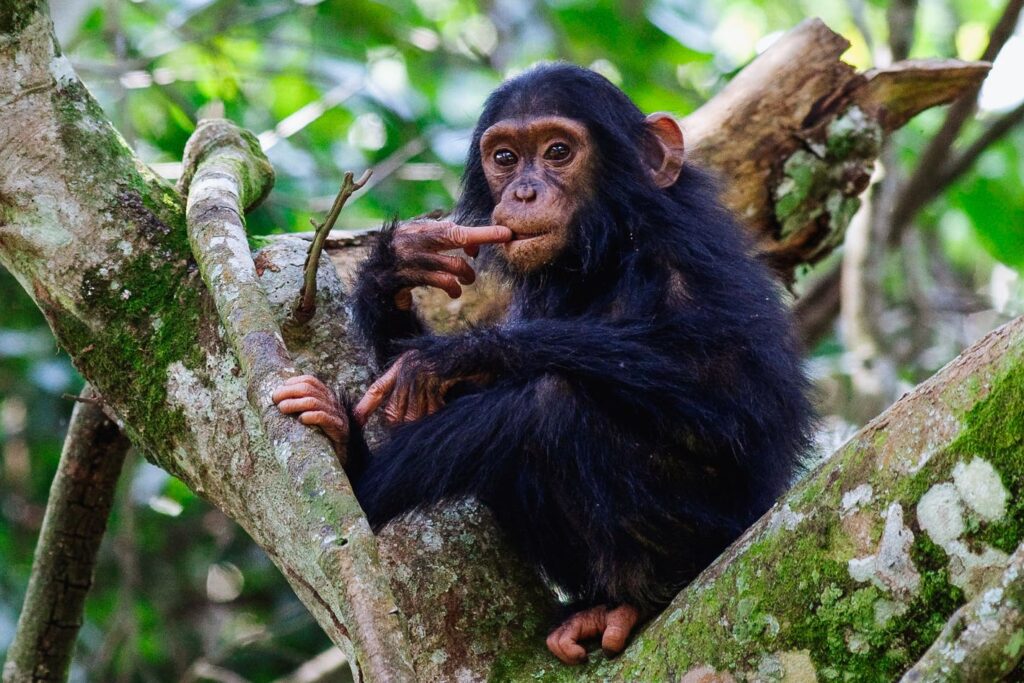
Chimpanzee trekking in Queen Elizabeth National Park occurs in the Kyambura Gorge section, renowned as the Valley of Apes due to its substantial population of habituated chimpanzee families. Chimpanzee trekking involves accompanying a tour guide or game ranger to habituated chimpanzee groups, where visitors can see and interact with the chimpanzees, gaining insights into their behaviors. Prior to embarking on chimpanzee trekking, tourists must secure trekking permits from the Uganda Wildlife Authority to facilitate the process. Chimpanzee trekking typically occurs in the morning when the chimpanzees are foraging throughout the park. Prior to entering the park, ensure you have the Chimpanzee Trekking Permit. This identification card, issued by the Uganda Wildlife Authority, permits the holder to trek chimpanzees. The cost of this permit varies based on the trekking location; specifically, the fee for chimpanzee trekking in Kyambura differs from that in Karinzu Forest, both situated within Queen Elizabeth National Park. According to the Uganda Wildlife Authority, chimpanzee trekking in Queen Elizabeth National Park is exclusively conducted in Kyambura Gorge.To trek chimpanzees, one must have a chimpanzee trekking permission from UWA. The expense of chimpanzee tracking licenses in Kyambura Gorge is significantly lower than in Kibale National Park, as reported by the Uganda Wildlife Authority (UWA), a measure implemented to encourage this activity within Queen Elizabeth National Park. Kyambura Gorge is a concealed rainforest situated among an expansive savannah grassland. This has caused tourists to forgo the chance to witness the marvels present in this beautiful expanse within a vast wilderness. The fee for chimpanzee tracking in Kyambura Gorge does not include the park admission fee. Chimpanzee trekking licenses for Kyambura Gorge include an armed escort. Each chimpanzee family in Kyambura Gorge is to be visited twice daily by a maximum of six individuals per shift. Consequently, only two groups of tourists are authorized to participate in chimpanzee trekking at Kyambura Gorge, located within Queen Elizabeth National Park, each day. A total of 12 licenses are allocated to precisely 12 tourists each day. The Uganda Wildlife Authority mandated an annual park entrance charge exclusively for foreign residents and members of the East African Community.
Bird Watching
Uganda boasts a diverse array of avian species that captivate visitors to our parks. Queen Elizabeth National Park boasts a diverse array of avian species, establishing it as the premier birdwatching destination in Uganda. Including blue weaver birds, fish eagles, squacco herons, flamingos, African fish eagles, kingfishers, speckled tinkerbirds, and numerous other avian species. The optimal birdwatching hours at Queen Elizabeth National Park are early morning and late evening, with the prime birding season occurring from December to February.
Tracking lions:
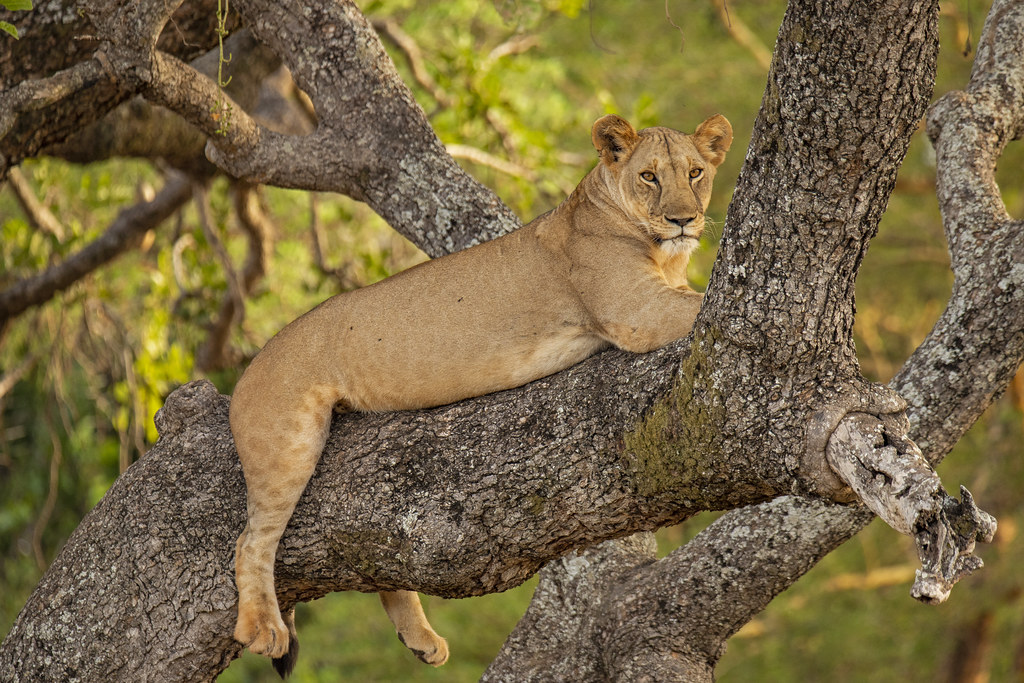
This activity allows visitors to observe many lion species, including the tree-climbing lions located in the Ishasha sector of the southern region of Queen Elizabeth National Park. These remarkable lions ascend trees during the afternoon to escape the elevated ground temperatures and intense sunlight, seeking shade and respite in the branches. Due to the scarcity of lions in Queen Elizabeth National Park, the limited number present are typically equipped with tracking devices affixed around their necks for efficient location by game rangers and tourists during the lion tracking experience.
Cultural encounters:
During this program, tourists engage in a community gathering and interact with various inhabitants of Queen Elizabeth National Park and its neighboring villages. Engaged Visitors are afforded the opportunity to manually pick honey on an Agro-Tour Walk along the eastern escarpment of the Rift Valley. The tourists engage with the Kikorongo women’s community, which showcases cultural performances to delight them. These women also create exquisite Kikorongo handcrafts that will captivate travelers. Kikorongo translates to sunshine in the Lukonzo language. Visitors may access Lake Katwe via the Katwe Tourism Information Centre during the cultural encounter. Lake Katwe is renowned for its salt mining, and the water in this lake is highly saline.
The boat cruise:
Visitors partake in a boat excursion in Queen Elizabeth National Park. This action occurs on the Kazinga Channel, which links Lake George to the east with Lake Edward to the west. During the boat cruise, visitors have the opportunity to observe large mammals such as crocodiles, yawning hippos, various buffalo species, elephants, zebras, waterbucks, bushbucks, warthogs, forest hogs, reedbucks, duikers, mongooses, swamp antelopes, spotted hyenas, bathing hippos, and occasionally lions along the Kazinga Channel. Additionally, other avian species, including aquatic birds, are observed along the canal as they engage in playful behavior, with numerous other intriguing species.
Mongoose tracking:
During this tracking process, a tour guide assists guests in locating these diminutive animals. Mongoose are consistently monitored at the Kazinga Channel in Queen Elizabeth National Park, with this activity requiring a minimum of three hours. After spending time with the swinging chimpanzees, climbing, and observing the languid lions, followed by a hike through the Maramagambo forest, you will undoubtedly return home with a smile on your face.
Note: Foreign residents are people living abroad who have resided and worked in Uganda for a minimum duration of one year. Consequently, foreign residents must provide a valid work visa, valid for no less than one year, to obtain a park admission permit at Queen Elizabeth National Park, thereby verifying their status. Non-resident foreigners are those who do not dwell in Uganda, and their primary purpose for visiting the country is tourism. Individuals must provide a valid passport to acquire a park access permit.
Lastly, Ugandans and all other members of the East African community must provide valid national identity cards to acquire park entry permits prior to reaching Queen Elizabeth National Park.
Explore Uganda and ensure you witness the remarkable tree-climbing lions during your safari tour.