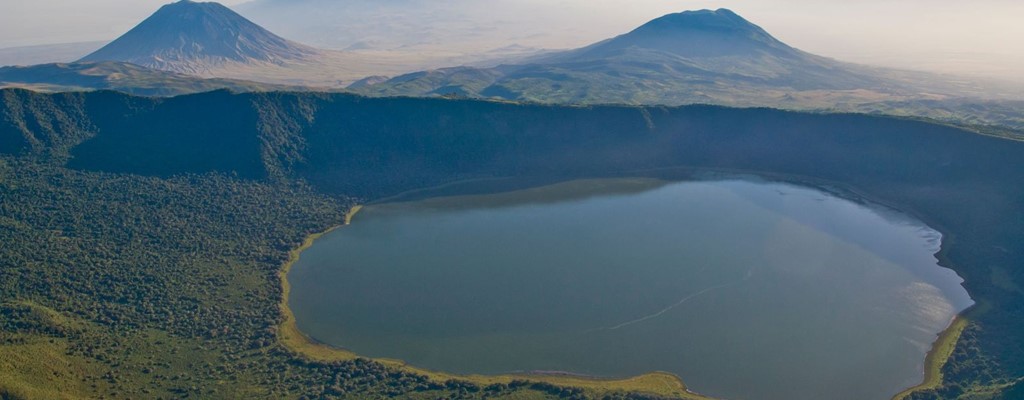
Ngorongoro Crater Lake
Ngorongoro Crater Lake, Many Tanzania safaris start at the northern Tanzanian lake known as Ngorongoro Crater Lake. It is a living museum of natural history and a thriving ecosystem since it is more than just a lake or a crater. Ngorongoro is a gift from nature, bringing together natural beauty, wildlife, and culture in a way that is rarely possible, whether you are planning your first trip to Africa or returning to continue getting to know the continent.
Imagine yourself on the brink of a huge, extinct volcano that has shattered into a lush, animal-rich valley. And before you are elephant wreaths, lions’ tiger stalks, and the pink brushstrokes of flamingos. This is not a scene from a documentary; rather, it is the breathtaking and wildlife-rich Ngorongoro Crater.
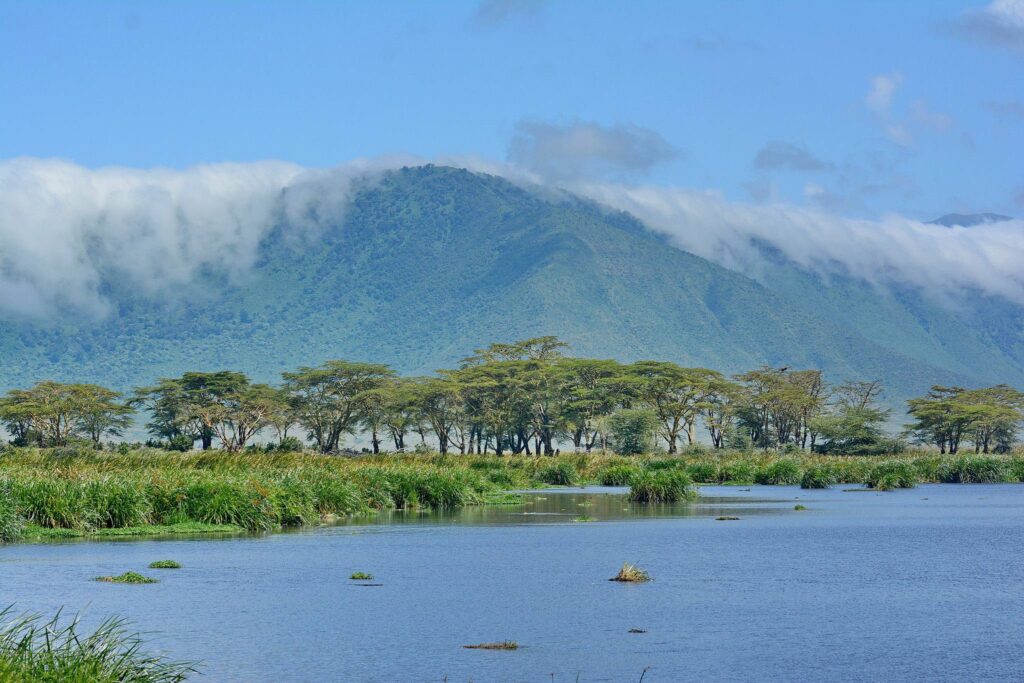
The Ngorongoro Crater Lake’s attractions
Observing Wildlife at Ngorongoro Crater Lake
For good reason, Ngorongoro Crater is frequently referred to as the Garden of Eden in Africa. Because of its bowl-shaped topography, which provides the ideal setting for watching certain games, thousands of animals are imprisoned inside its walls. Unlike typical Tanzanian safaris, where you travel long distances between spots, the animals come to you.
Big Five in One Day: Ngorongoro is one of the few places in Africa where visitors can witness the Big Five in a single day. This includes seeing the lion, leopard, elephant, rhino, and buffalo. Any meaningful tour of Tanzania must include a visit to this landmark.
The Flamingo Spectacle of Lake Magadi: Lake Magadi is a shallow, seasonally filled soda lake located in the center of the crater. Because thousands of flamingos cover it with a dazzling pink that is visible all year round, its color changes according to the month. For the birdwatchers and photographers, this will be a dream come true.
Black Rhinos and Lions: One of the last surviving strongholds of the highly endangered black rhino is Ngorongoro. You are likely to see lions up close because of the crater’s large lion population.
Walk to Olmoti Crater and Empakaai Crater.
For those who want to explore the areas outside the game drives, there are excellent hiking opportunities in the nearby Empakaai and Olmoti craters. More peaceful and intimate encounters with nature can be had in the lesser-known volcanic landscapes. While Olmoti is gifted with a stunning waterfall and a panoramic vista, Empakaai’s lovely emerald lake is typically surrounded by flamingos.
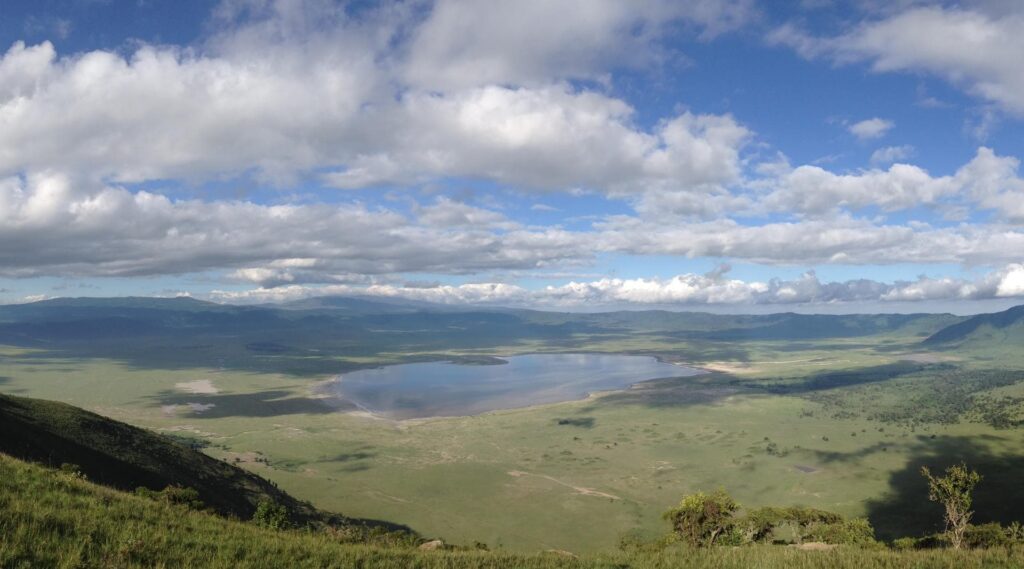
Lerai Forest and Gorigor Swamp
The acacia woodland on the crater floor, known as the Lerai woodland, is home to elephants and monkeys. The shade they offer the expansive plains creates contrasts. In turn, Gorigor Swamp is a destination for water birds and hippos. Because of these habitats, the crater is extremely diverse, making each visit exciting.
Alternating Sands and Olduvai Gorge
The Shifting Sands, or more accurately, the shifting dune, are visible not far from the crater. It is unclear what the darkness of the sands is. Combine this with a visit of the Olduvai Gorge, one of the world’s most significant destinations for anyone interested in paleoanthropology. One of the first indications of our ancestors was discovered here.
The local way of life around Ngorongoro Crater Lake
The culture of the Maasai
One cannot truly enjoy a vacation to Ngorongoro until they interact with the local Maasai population. For many ages, the local wildlife and these semi-nomadic pastoralists had coexisted. The distinctive bead design and RedA1 shukas, which give them a sense of the isolated lifestyle they lead near the land, make the Maasai easily identifiable.
Many Tanzanian excursions include an optional visit to the Maasai villages, where visitors can learn about the customs, participate in dances, and see how contemporary conservation efforts are incorporated with the inhabitants’ local knowledge. It’s also an opportunity to learn more about how humans and nature coexist, not just a chance to take pictures.
Cultural Heritage and Preservation
The Ngorongoro Conservation Area’s dual goals of protecting wildlife and preserving Maasai cultural heritage are what make it unique. Ngorongoro is more than just a tourist attraction and site; it is an example of environmentally conscious tourism and cultural commitment. This type of balance is not as prevalent in conservation nowadays.
Which time of year is best to visiting Ngorongoro Crater Lake?
Although Ngorongoro Crater Lake is open year-round, the ideal time to visit is
Because animals gather around water sources throughout the dry season (June to October), this is the ideal time of year to see the game. Make bookings in advance as this is the busiest time of year for safari.
The green season, which runs from November to May, offers stunning scenery, fantastic bird watching, and more affordable prices. Although the roads may be muddy, April and May are less crowded and have cheaper prices.
How to Get There
It is located in a very handy part of Tanzania’s safari capital, Ngorongoro. Most itineraries include a picturesque drive through the Great Rift Valley or a quick flight to Kilimanjaro International Airport or nearby Lake Manyara.
Where to stay
The eco-friendly, tented camps are surrounded by opulent resorts situated in the crater. Among the remedies that have been proposed are:
Ngorongoro Serena Safari Lodge: Traditional African design combined with breathtaking views of the crater.
The Highlands is an opulent, glamorous camping area next to Olmoti Crater.
Rhino Lodge: Located right in the edge of the action, this neighborhood-owned property is reasonably priced.
Undiscovered Treasures
A quiet waterfall and some pristine vistas can be found on the Golah Waterfall Hike, a hidden trail near Olmoti Crater that few people know about.
Night Sky at the Rim: Due to its high elevation and low levels of light pollution, Ngorongoro is one of the few locations in East Africa with pristine night skies. To see the Milky Way, wait until late at night, usually when it is dry.
Essentials to Pack
binoculars for long-distance viewing and bird watching.
Warm clothing before the game drive in the early morning and in the cold.
Crater rim shoes and rugged trekking shoes.
Zooming lens camera: this scene will cause your phone’s camera to break sooner rather than later.
Budgeting and tour options.
Tanzanian safaris are not usually inexpensive since Ngorongoro is a value at all levels:
Group Tours: More affordable and perfect for beginners.
Private tours are especially good when taken as a family or as a couple because they are intimate and may be customized.
Self-drive safaris are fine if you have the proper documentation, but they are only suggested if you are experienced and able to navigate the unpaved roads, where there may not be many signposts.
The medium-level tours to Tanzania offer the ideal balance between comfort and cost; these tours should take into account both Ngorongoro and neighboring locations like Lake Manyara or the Serengeti.
In conclusion
Ngorongoro Crater Lake is more than just a location; it’s a voyage in Earth’s history where human culture, life, and nature all coexist in unmatched harmony, leaving you speechless. Seeing pink flamingos soar, encountering Maasai warriors on cloth roads, or observing a group of elephants near the crater rim are just a few examples.