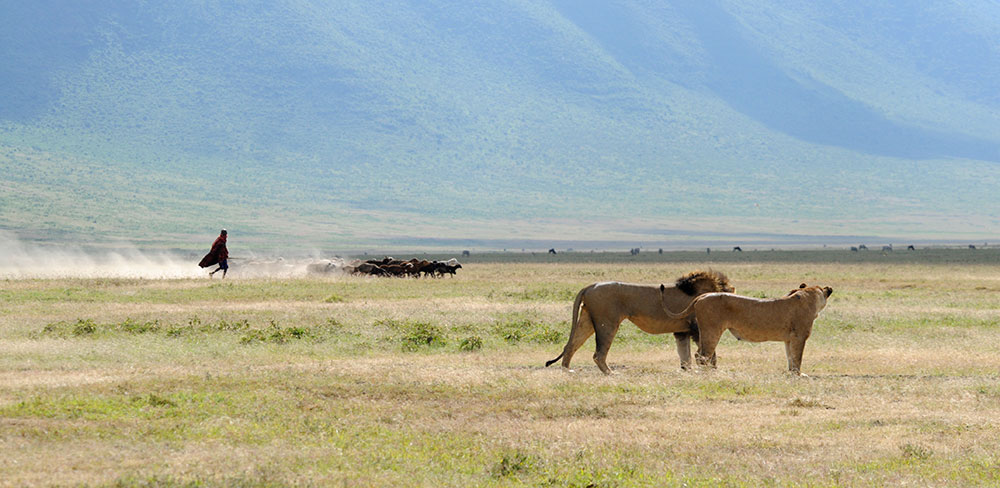
Ngorongoro Conservation Area Tariffs
Ngorongoro Conservation Area Tariffs, A visit to the Ngorongoro Conservation Area in Tanzania is an aspirational getaway for many travelers. With the current rates encompassing entry fees, concession fees, vehicle fees, and various additional expenses, you can realistically plan for a seamless and enjoyable experience. This is a detailed, traveler-friendly map showing the Ngorongoro tariffs based on the most current publicly available fee schedule. It might serve as a planning tool for organizing itineraries or for budgeting your Tanzania safari.
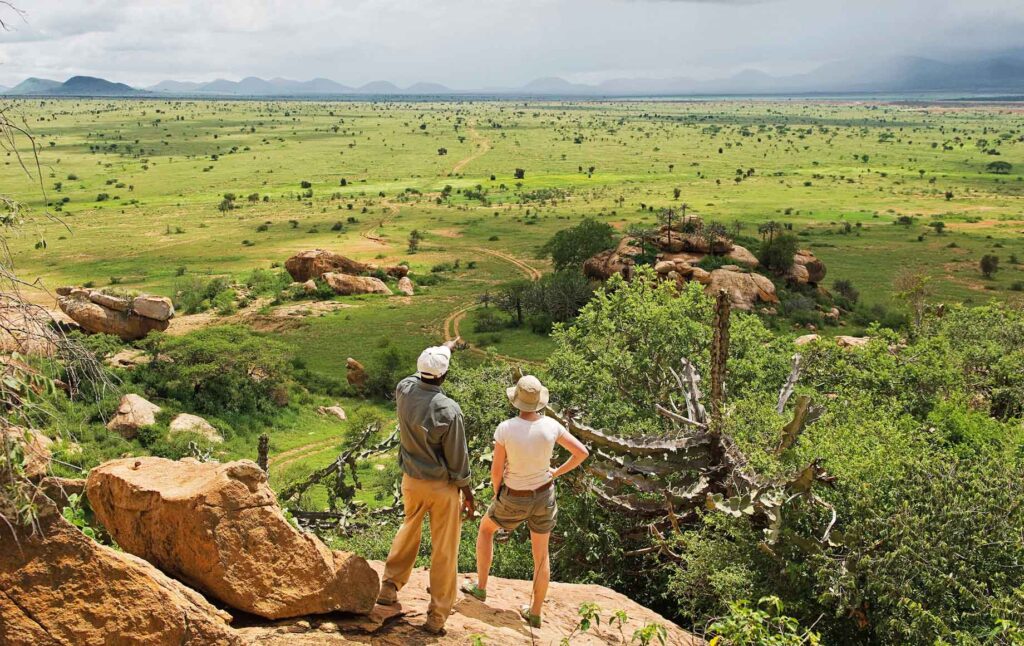
Introduction to Ngorongoro and the significance of fees.
The Ngorongoro Conservation Area is not only one of Tanzania’s most renowned wildlife preserves but also a UNESCO World Heritage Site. It encompasses the expansive volcanic caldera of the Ngorongoro Crater, which serves as a wildlife park inhabited by lions, elephants, rhinos, buffaloes, wildebeest, zebras, and a diverse array of avian species. The conservation fees collected by the Ngorongoro Conservation Area Authority (NCAA) are allocated to fund conservation initiatives, maintain infrastructure, assist local communities, and regulate tourist numbers. The fees vary according on the visitor category (local, East African citizen, international visitor), the activity (game drive, crater descent, camping), and the type of lodging (lodge, tented camp, public campsite).
Entry Permit: Ngorongoro Conservation Area.
All visitors to the conservation area must first purchase an admission permit. The rates are determined by nationality or residency.
For the people of East Africa (Tanzania, Uganda, Kenya, Rwanda, Burundi, DR Congo, Somalia, and South Sudan) and the nationals of Tanzania, the fee is 11,800 Tanzanian shillings per adult (aged 16 and over) for every 24 hours. The reduced cost is 2360 Tanzanian shillings for youngsters aged 5 to 15 years. Children under the age of 5 are admitted free of charge.
The entry charge for residents and expatriates in Tanzania is around US$135.40 per adult per day and $11.80 per child (ages 5-15). The entrance cost for foreign non-residents (international tourists) is typically around US$70.80 per adult per day and US$23.60 per child (ages 5 to 15). Children under the age of 5 remain exempt.
The entrance fees grant access to the conservation area for a duration of 24 hours. If you exit the park and return at a later time, you may be required to obtain a new permit.
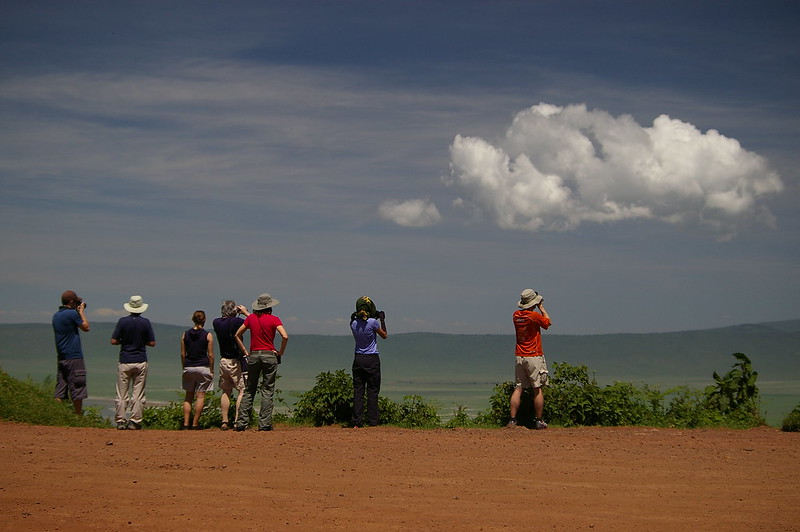
Crater Service Charge: Excursion into the Crater.
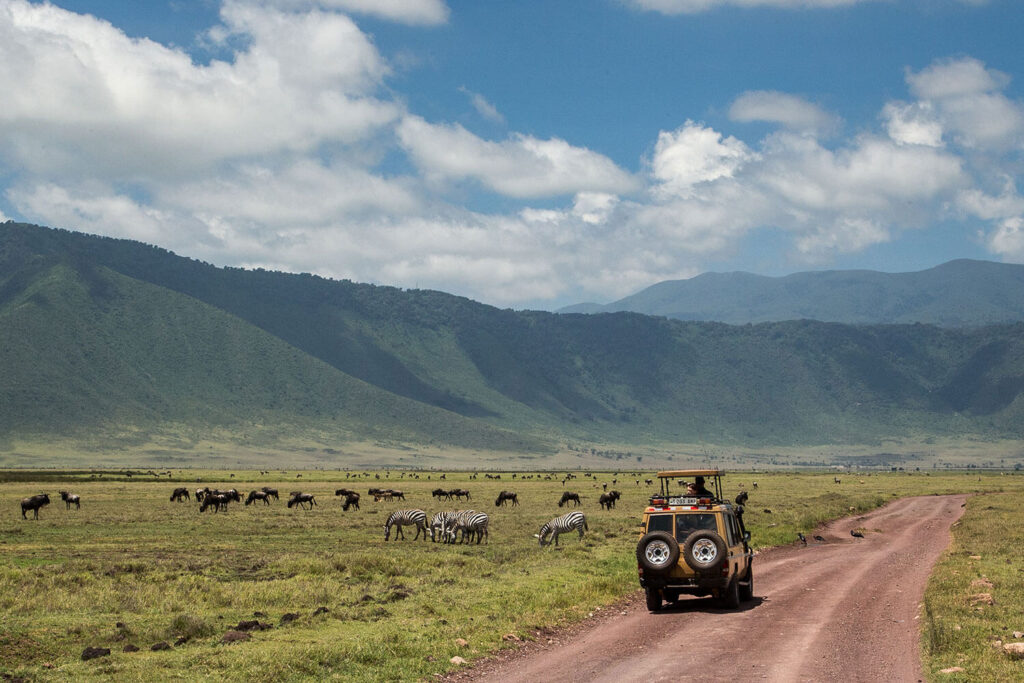
Access to the conservation area does not automatically provide vehicle entry to the Ngorongoro Crater floor for a game drive; a separate crater service fee is imposed. This is charged per vehicle per descent rather than per individual, hence rendering group tours more economical.
The crater service cost is standard at US$295 per car per trip for international non-residents during the visiting stage. The fee for East African citizens, namely Tanzanian citizens, is denominated in Tanzanian shillings, amounting to 11,800 TZS according to the current tariff schedule. This autonomous vehicle payment is utilized to offset the administrative costs associated with the crater descent and the preservation of the delicate crater ecology.
Concession Fees: Overnight Stay in Ngorongoro.
If you plan to remain in the conservation area, whether at lodges, permanent tented camps, or authorized accommodations, a daily fee is required. This is an additional price assessed individually per night, in conjunction with the entry permission.
The concession charge for East African citizens and Tanzanian nationals is roughly 35,400 Tanzanian shillings per adult per night, with a reduced rate of about 11,800 Tanzanian shillings each child aged 5 to 15 years. For foreign non-residents, the overnight concession fee is roughly US$59 per person per night, with a reduced rate applicable for children. This fee supports the operation of lodges and camps, maintenance of facilities, and conservation of the surrounding ecosystem.
Camping Rates: Affordable Overnight Splendid Camping Experiences.
Travelers seeking a more rustic and budget Tanzanian safari may opt for public or special campsites located within the Ngorongoro, albeit these accommodations also incur fees. The fees for public campsites for East African or Tanzanian citizens are lower than those for special campgrounds, while charges for foreigners are higher. The expense of lodging in a public campsite may reach US$35-40 per individual per night for a non-East African traveler. Designated camping grounds are generally more expensive and provide amenities and comfort for travelers seeking enhanced experiences.
Be aware that the expense of camping is in addition to the entry permit and the crater service fee per car, should you plan to descend into the crater.
Supplementary Activities and Various Fees.
In addition to the basic entry fee and overnight accommodation, additional fees are contingent upon the activities undertaken. If you opt for walking safaris, cultural tours in Tanzania, river excursions, hot-air balloon safaris, or other unique activities within the protected area, expect supplementary charges. Specialized pricing for professional filming, photographic excursions, or commercial shoots are billed individually, typically on a daily and per-crew-member basis, reflecting the additional administration, production oversight, and environmental awareness required.
When creating your comprehensive safari budget, it is essential to consider accommodations, food, licensed guides, transportation, and any applicable value-added taxes.
Cost-Effective Strategies for a Ngorongoro Safari.
As fees are incurred daily for entry permits and per vehicle for crater descent, a highly effective strategy for cost reduction is to travel in a group and share the car and associated fixed expenses. A party traveling to the crater in a single 4×4 vehicle with six or seven passengers distributes the cost of crater services among all participants, resulting in a significantly lower cost per individual. Similarly, regular excursions to the crater by residing in nearby lodges or camps in the highlands can circumvent daily concession fees within the conservation area, while still allowing access to the craters.
It is advisable to evaluate which activities are of greatest significance to you, whether a one-day camping excursion to the crater, a multi-day safari, hiking trails, cultural exploration, or camping, and incorporate these supplementary costs into your overall budget.
Ensure you carry your identification (passport or valid East African national ID) if you possess East African citizenship, since residency will be verified at the gate. Tour operators typically manage fee payments, either in advance at designated bank branches or directly at certain gates that accept credit cards or prepaid permits; nonetheless, cashless transactions are generally favored to minimize lineups.
What Justifies the Value of Ngorongoro in Every Shilling or Dollar?
Imagine descending into a vast volcanic caldera, 600 meters deep, during the early morning when the air is crisp and invigorating, with the crater floor adorned with lush green meadows and scattered acacia trees. While operating your 4×4, you witness a group of elephants nearing a waterhole, zebras grazing in the field, wildebeest in transit, lions resting in the shade, and possibly an inconspicuous black rhino in the distance. The elevated concentration of animals within the crater, along with the breathtaking vistas of rugged cliffs and vast plains, typically yields a greater number of sightings per hour than any other safari destination in Tanzania.
Overnight accommodations Gazing at the crater rims at dawn, accompanied by the subtle sounds of nocturnal wildlife and stunning vistas of pristine environment, a visit to Ngorongoro appears both exclusive and organic. Experiencing a night beneath the stars, awakening to the melodies of birds, or enjoying a sundowner on the crater’s edge, among other activities, all contribute to the sensation of having entered a vibrant, picturesque representation of Africa.
Conclusion: Strategies for Successfully Visiting Ngorongoro.
A visit to the Ngorongoro Conservation Area transcends mere checklist tourism; it represents an investment in a wildlife reserve, a support to conservation efforts, and an opportunity to witness one of Africa’s most extraordinary natural phenomena. Understanding admission fees, service charges, hotel, and activity expenses will enable you to budget efficiently and evaluate trip alternatives, as well as identify the safari type that aligns with your financial and comfort preferences.
Ngorongoro accommodates lone travelers, groups, budget campers, and luxury lodge experiences. By obtaining the appropriate licenses and utilizing the correct vehicle while adhering to regulations, one can descend into the crater, explore the expansive highlands, camp, and anticipate a dawn over one of the most enchanting vistas in the world.
If you are eager to explore and engage with animals, you must plan your vacation to Ngorongoro today; this vibrant Eden awaits your arrival, your cameras, and your appreciation.