Malaria In Serengeti National Park
Malaria In Serengeti National Park: Serengeti National Park is a globally acclaimed safari destination situated in northern Tanzania, recognized for its expansive plains, remarkable wildlife, and the legendary Great Migration. Tourists visit to observe lions lounging in acacia trees, cheetahs sprinting across the savannah, and the annual migration of wildebeest and zebra herds in the Serengeti. While the park promises a memorable experience, travelers should be cognizant of health considerations throughout their visit, particularly the prevalence of malaria in the region. Understanding the risks, preventive measures, and practical travel recommendations will ensure a safe and enjoyable trip in the Serengeti.

Studying malaria in the Serengeti.
Plasmodium parasites induce malaria, a disease spread through the bite of infected Anopheles mosquitoes. The atmosphere of Serengeti National Park, characterized by its temperate conditions and seasonal precipitation, creates an ideal habitat for mosquitoes, rendering malaria a significant health issue for tourists. The risk persists throughout the year but intensifies during and immediately following the rainy season, typically occurring from March to May and November to December. Preventing malaria is a crucial consideration for guests planning a safari in Tanzania to avoid disrupting their itinerary.
Malaria presents with symptoms including fever, chills, headaches, myalgia, lethargy, nausea, and vomiting in severe instances. The symptoms show 7 to 10 days to many weeks after the bite. While malaria is treatable, early diagnosis and prompt medical intervention are crucial.
Measures for Ensuring Traveler Safety.
It is highly recommended to consult a travel health center or physician before to visiting the Serengeti to discuss malaria prophylaxis. Atovaquone-proguanil, doxycycline, and mefloquine are prevalent medications, each with distinct dosing regimens and considerations. Administering medication prior to arrival and maintaining it for the designated duration post-departure is crucial for comprehensive protection.
In addition to medication, travelers should adopt practical measures to reduce the incidence of mosquito bites. Long-sleeved lightweight clothing, pairs of socks, and hats mitigate exposed skin, particularly during early morning and late evening when mosquitoes are most active. The application of insect repellents containing DEET, picaridin, or oil of lemon eucalyptus on the skin is highly effective. Insecticide-treated mosquito nets are provided at numerous lodges and camps in the Serengeti, ensuring a secure sleeping environment.
Best Seasons and Risk Assessments
The probability of malaria, an illness influenced by the Serengeti’s climate, can be comprehended to enable travelers to organize their trips more securely. The dry seasons (June-October and January-February) typically exhibit a reduced mosquito population, rendering these months comparatively less hazardous. Ultimately, the transmission of malaria remains contingent upon the implementation of preventive measures. Pregnant individuals, the elderly, and those with compromised immunity should seek medical advice prior to traveling.
Healthcare establishments located within and near the park.
Despite the isolation of Serengeti National Park, several medical facilities are available in the adjacent towns, such as Arusha, Mwanza, and the Ngorongoro Conservation Area. Various Tanzania safari lodges possess a first aid kit and can assist with emergency transportation. Travelers must also own medical evacuation travel insurance for peace of mind.
Choosing the Best Lodging.
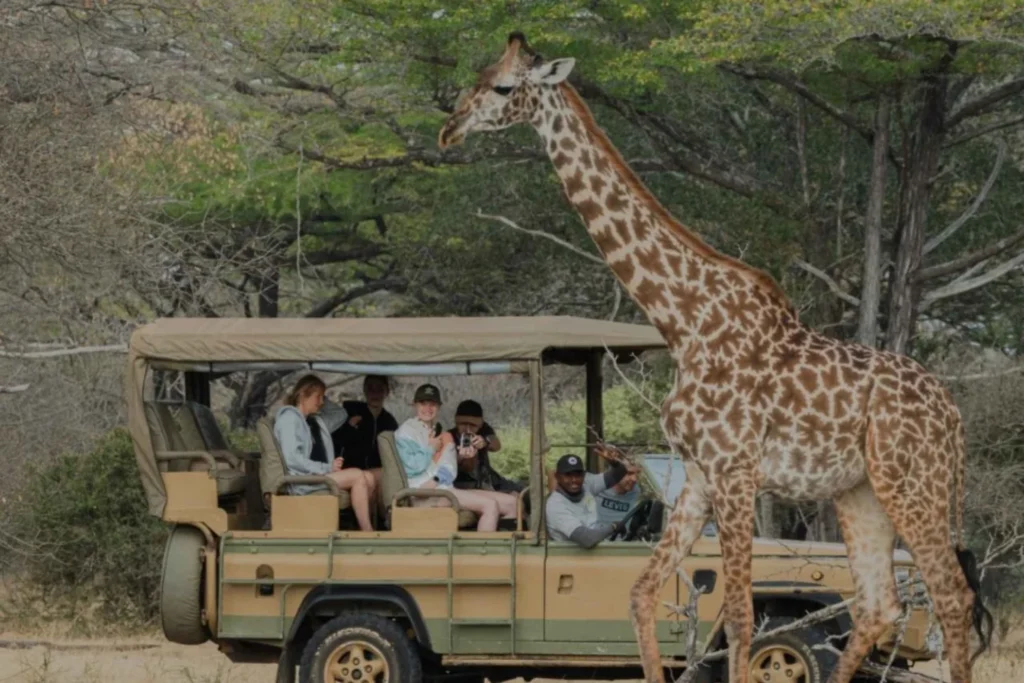
The selection of lodges and campers that prioritize health and safety measures can significantly contribute to malaria prevention. Many opulent hotels in the Serengeti include air-conditioned accommodations, window screens, and overnight mosquito nets, which reduce the likelihood of mosquito bites. Staying at these accommodations ensures comfort and safety for the guest, allowing them to completely appreciate the natural beauty and fauna without concern for their health.
Guidance for a Secure Serengeti Experience.
In addition to malaria prophylaxis, travelers must adhere to normal health precautions when touring the Serengeti. To avert gastrointestinal disorders, it is essential to maintain hydration, avoid untreated water, and consume meals prepared in a sanitary environment. Wearing sunscreen and caps is crucial due to the intense sun exposure in open plains. An amalgamation of these principles with malaria control is a comprehensive strategy for secure travel.
It is also wise to take into account the timing of outdoor activities. Serengeti Morning and sunset game drives are optimal for animal observation; however, they coincide with peak mosquito activity. The likelihood of mosquito bites during these seasons can be mitigated by employing repellent, donning protective attire, and remaining in well-screened cars or accommodations.
The Value of Visiting the Serengeti.
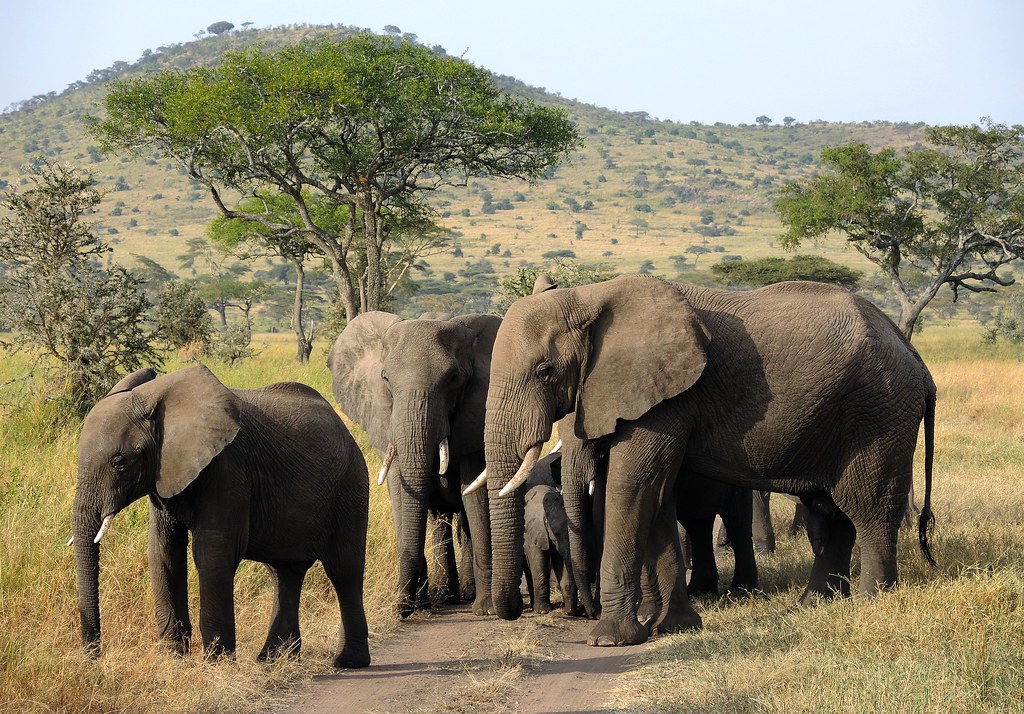
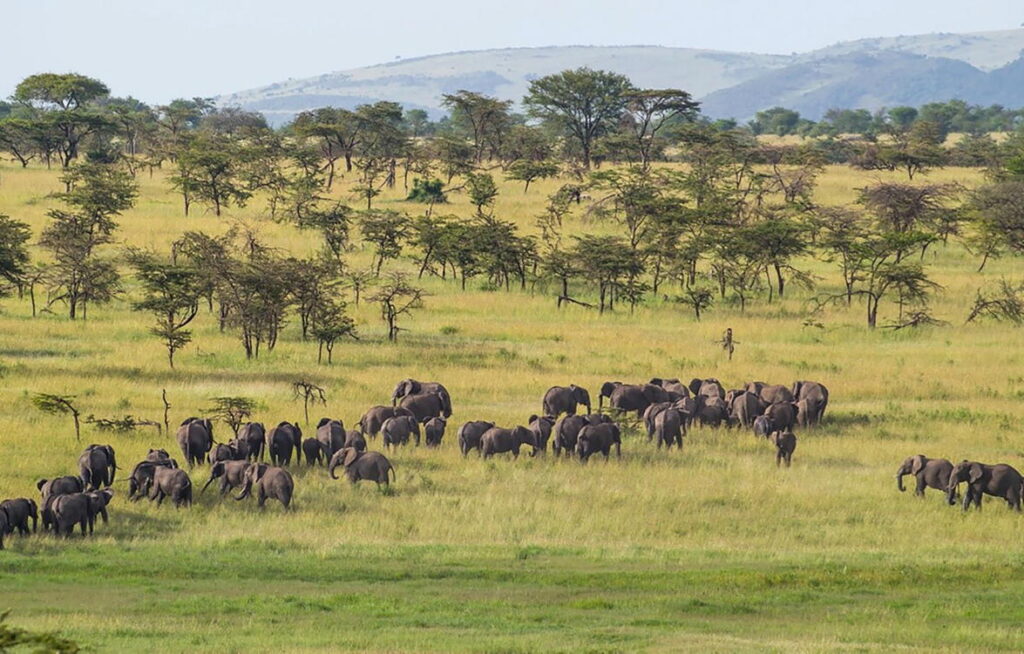
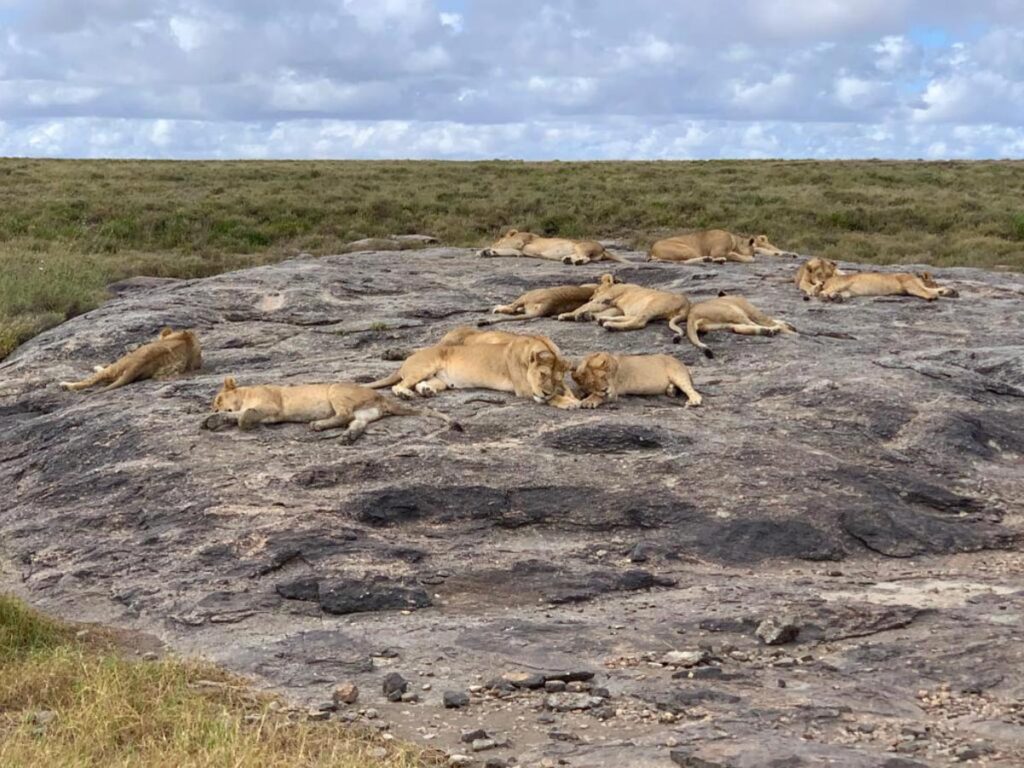
Serengeti National Park is one of the most captivating safari areas globally, notwithstanding the presence of malaria. Observing a pride of lions pursuing their prey, witnessing elephants traversing golden grasslands, or experiencing the magnificent spectacle of the Great Migration are memories that travelers are sure to have for a lifetime. With meticulous safeguards, travelers can safely and comfortably see the marvels of the Serengeti.
Suggestions: Plan Your Malaria-Free Safari.
Malaria is a significant threat in Serengeti National area; yet, this should not deter travelers from seizing the opportunity to see this magnificent area. By utilizing appropriate medication, protective attire, insect repellant, and strategic planning, travelers can confidently explore the Serengeti. The thrill of witnessing the sunrise over the savannah, together with each encounter with majestic wildlife, is rendered even more indelible through a secure approach. Consider your health and meticulously organize your journey to immerse yourself in the enchantment of the Serengeti, an exhilarating and aesthetically pleasing experience that promises to be a once-in-a-lifetime encounter.