Kidepo Valley National Park
Kidepo Valley National Park is an essential include for every visitor’s travel itinerary while on a Uganda safari. The national park is frequently dubbed the ‘Masai Mara’ of Uganda due to its breathtaking savannah grasslands and diverse wildlife species.
Kidepo National Park is situated in the far northeastern region of Uganda, within the Kaabong district. The national park encompasses 1,442 square kilometers and was designated as a national park in 1962. In addition to its remarkable biodiversity, the national park features distinctive attractions such as the 2,750-meter Mount Morungole and the Kidepo and Narus rivers.
The national park is situated on the border of Uganda with Kenya and Sudan. The park hosts around 77 species of mammals and approximately 475 species of birds. Its position in the extreme northern region renders it the most secluded national park in Uganda.
Kidepo National Park in Uganda is administered by the Uganda Wildlife Authority, a governmental body responsible for overseeing nine further national parks in the nation. The national parks are situated at altitudes varying from 914 meters to 2,750 meters above sea level.
The national park’s name originates from the Dodoth term ‘akidep’, which translates to ‘to pick up’ in English. The national park was formerly a game reserve established in 1958 during the British colonial era. Upon its designation as a national park, Ian Ross was chosen as the inaugural chief warden, subsequently succeeded by Paul Ssali in 1972.
Attractions in Kidepo Valley National Park.
Visitors to Kidepo Park have numerous attractions to explore, including:
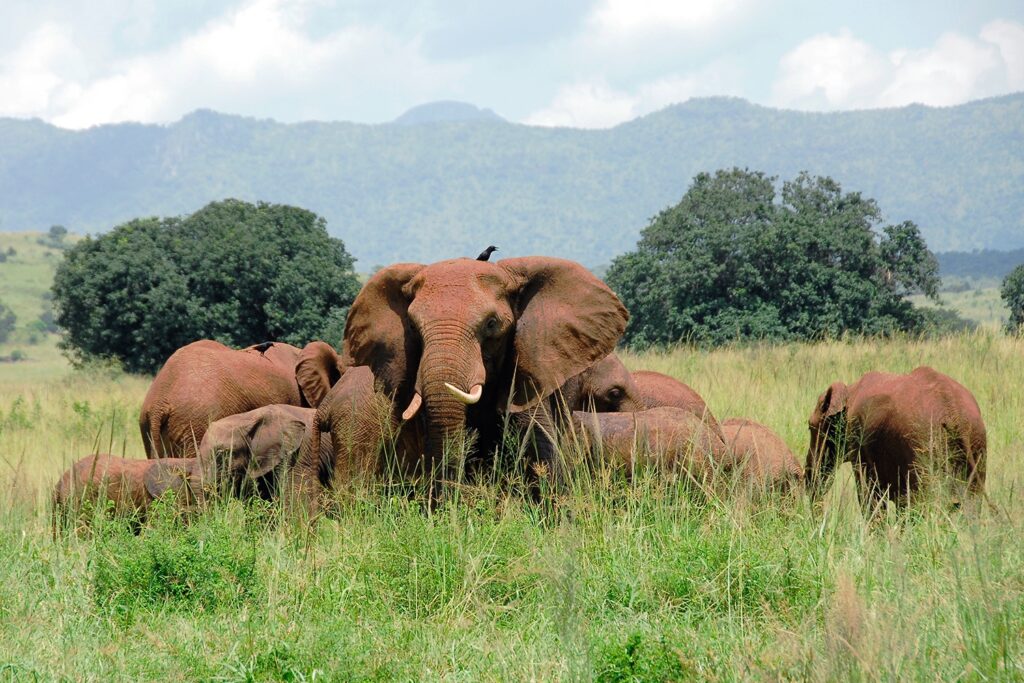
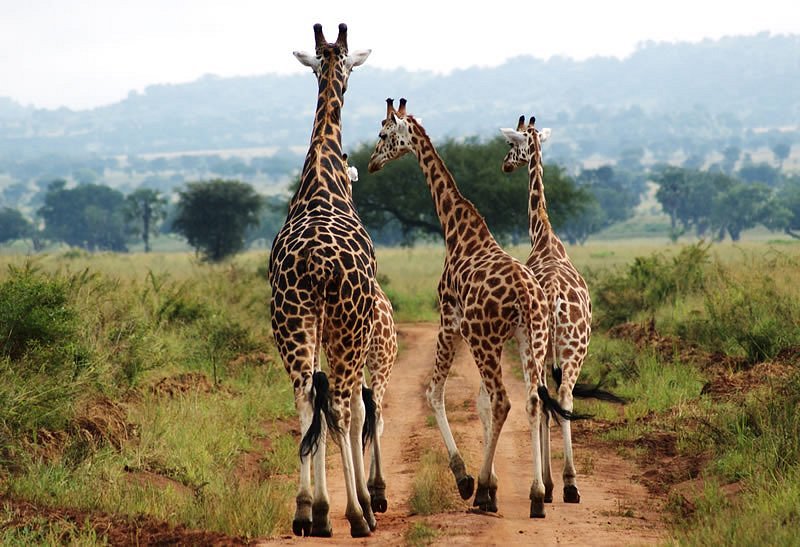
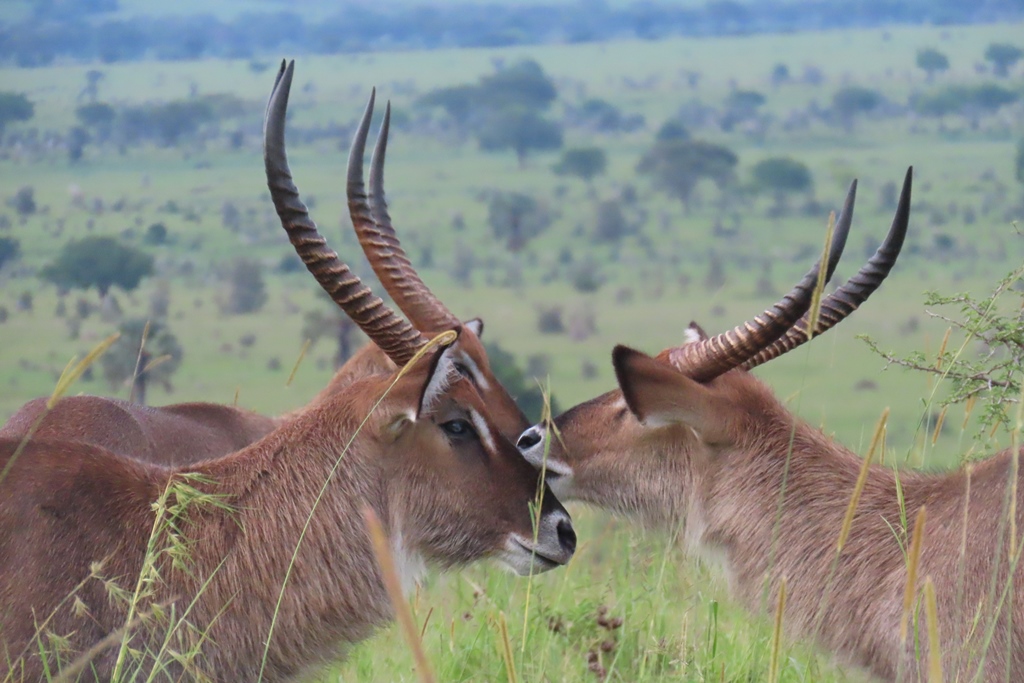
Kidepo Valley National Park in Uganda is the premier destination for animal observation on Ugandan safaris. The national park hosts over 77 species of mammals, including elephants, ostriches, leopards, buffaloes, zebras, and giraffes.
The Kanangorok hot springs are a notable tourist destination within Kidepo National Park. The hot springs are situated approximately 11 kilometers from the Kidepo River, adjacent to Uganda’s border with Sudan. The water of Kanangorok hot springs reaches a temperature of approximately 50 degrees Celsius, sufficient for boiling an egg.
Kidepo Valley: Kidepo Valley within Kidepo Park is a location where visitors can observe savannah species. In this section of the national park, wildlife typically congregates around the Kidepo River, a seasonal watercourse that traverses the valley.
The Narus Valley in Kidepo Park is a distinctive feature of the national park. The Narus River, which traverses the valley, predominates this area and offers optimal opportunities for wildlife observation within the park.
The Lomej Hills, located near the park’s headquarters in Apoka, are optimal for wildlife observation, hiking, guided nature excursions, and birdwatching within the national park.
Mount Morungule is a 2,750-meter-high mountain situated in Kidepo Valley National Park. This peak is optimal for conducting hiking expeditions within the park, with the primary focus of the activity being a community visit to the adjacent IK settlements. The IK people are a distinctive ethnic group in Uganda, regarded as the original occupants of the land, possessing a unique culture and language.
Apoka Tourism Center: The Apoka Tourism Center serves as the headquarters for Kidepo Valley National Park. This is also the location where the majority of activities conducted in the national park commence.
Activities conducted in Kidepo Valley National Park.
Visitors to Kidepo Valley National Park can engage in activities such as:
Game drives in Kidepo Valley National Park occur in the morning and at night. Morning game drives in the national park begin at 6 AM, while evening game drives commence at 6 PM. Visitors on a game drive may observe various wildlife, including zebras, buffalo, lions, leopards, giraffes, jackals, hyenas, elephants, duikers, and numerous others.
Birdwatching: The fee of birdwatching in Kidepo National Park is USD 30 per person. Notable bird species that tourists may observe include the Yellow-billed Shrike, Taita Fiscal, Rufous Chatterer, Karamoja Apalis, and Ostriches, among others. The park is home to more than 475 bird species, with around 23 species being indigenous to the national park.
Kidepo Valley National Park provides hiking and guided nature hikes across the park. Hiking excursions in the national park commence at Apoka Tourism Center and extend to the Lomej Hills and Mount Morungule.
Community and Cultural Tours: Community and cultural excursions in Kidepo National Park provide guests with a distinctive cultural experience during their safaris in Uganda. Visitors can engage with the local populations in the adjacent IK and Karamojong communities to gain insights into their distinctive traditions.
Accommodation in Kidepo National Park.
Kidepo Valley National Park provides visitors with accomodation options at Adere Safari Lodge, Apoka Safari Lodge, Apoka Rest Camp, Kakine Self-Catering Campsite, Kidepo Savannah Lodge, and Nga Moru Wilderness Camp. The campsites within the national park do not offer meals for guests; therefore, people utilizing these camping facilities must bring their own food.
Entry to the National Park.
Kidepo Valley National Park is accessible to people traveling by road from Kampala City. The national park is situated roughly 700 kilometers from Kampala via Kotido and around 571 kilometers via Gulu-Kitgum.
Alternatively, travelers may opt for a more expedient and easy mode of transportation to the national park via air. Visitors may charter flights from Kajjansi Airfield or utilize domestic flights operated by Aerolink Aviation from Entebbe International Airport.