How to Prepare for a Safari to Serengeti National Park
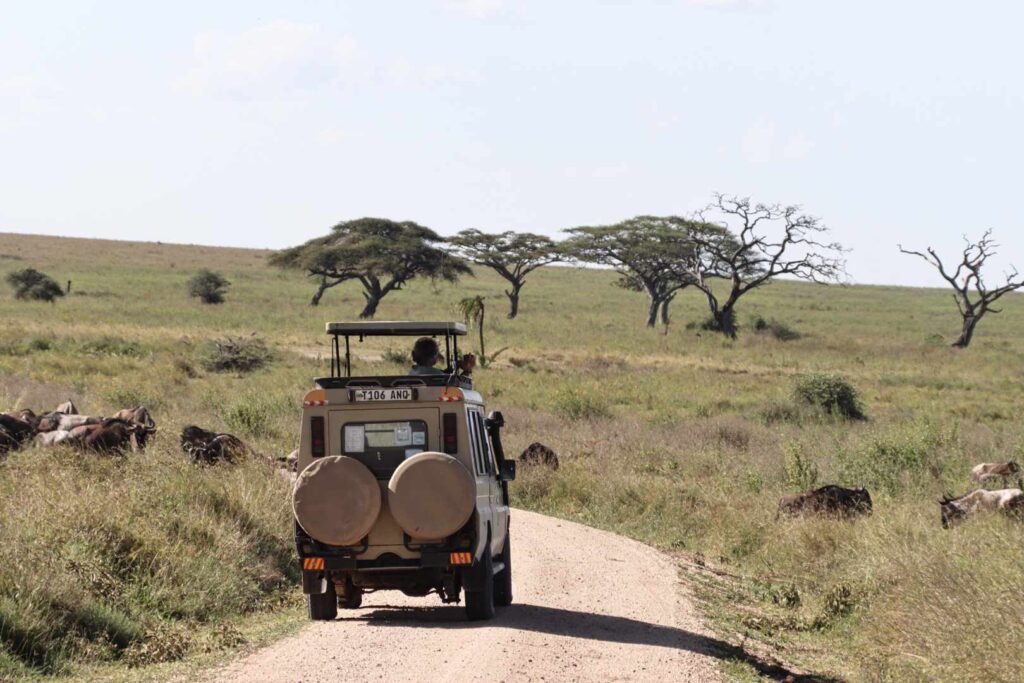
How to Prepare for a Safari to Serengeti National Park, Serengeti National Park is the premier national park in Tanzania and possibly the finest in Africa, as it hosts 1.3 million herd species, most notably observed during the annual event known as The Great Wildebeest Migration. Despite the movement being unseen, you will experience one of the rare locations globally to observe substantial populations of lions. Leopards, cheetahs, and the Big Five, along with numerous other wildlife species, coexist equally.
Are you intending to visit Serengeti National Park? Numerous tour operators, international travel brokers, and lodges/camps in the Serengeti are available for convenient vacation bookings. The selection of a particular operator is solely your responsibility; nonetheless, it is imperative to choose a trustworthy organization for engagement. Indecisive regarding a choice? Refer to our comprehensive guide for a detailed procedure on booking your safari at Serengeti National Park. A reputable provider will guarantee that your safari is uniquely tailored to your preferences. Upon securing a reservation with your operator, some pre-tour preparations must be taken into account, as outlined below.
Dietary Restrictions – Recommended Foods?
Tanzanians have a strong preference for meat, although vegetarians need not suffer from a lack of options. Inform your hosts of your dietary preferences when reserving safari hotels and camps. This can be accomplished either directly or via your operator or travel agent.
What will you wear?
Loose cotton garments are generally the most comfortable and provide protection for your limbs from insects. If you plan to stroll, you will require long pants to shield yourself from thorny flora and ticks, in addition to good hiking boots to maintain foot comfort, and sandals for the game drives. A warm sweater and trousers are vital for visiting escarpment regions like Ngorongoro, while cold-resistant attire is necessary for locations such as Mount Kilimanjaro. Additionally, waterproof apparel is essential in anticipation of rain during the wet season.
Prepare Up for the Tropical Sun
The temperatures can become very high beneath the African sun. Equip yourself with a high-SPF sunscreen, a protective hat, and quality eyewear, and remain cautious to avert excessive sun exposure.
Tropical illness – Malaria
In addition to carrying anti-malarial medication, equip yourself with potent mosquito repellents suitable for application on exposed skin, and utilize mosquito netting throughout the night. Mosquitoes typically emerge at dusk, and their invisibility or inaudibility does not imply their absence near your ankles—remain vigilant and employ all possible measures to avert bites, even if you are on medicine. Additionally, consider that youngsters are at a heightened risk of catching malaria. Be advised that prophylactics (anti-malaria pills) may cause severe adverse effects in a minority of individuals, including manifestations of psychosis and depression; it is advisable to commence the medicine a few days prior to departure.
What other items should be packed?
Travel with minimal luggage, especially when utilizing a charter airline, which presently permits only one soft-sided bag per individual with a maximum weight of 15kg (33 lbs). You may be compelled to abandon something of significance. Note that lodges and campers provide laundry services, hence packing minimally should not pose an issue. A tailored wide-brimmed hat, bathing attire, quality sunglasses, and sunscreen are important. While certain hotels provide bug repellent, it is advisable to bring your own, along with all other malaria preventive measures. If you are on any specific medication or prescription pills, please bring them with you, as it is improbable to locate exact equivalents, even in urban pharmacies. Dust can compromise the longevity of contact lenses; therefore, it is advisable to carry a pair of glasses as a contingency, along with an adequate cleaning solution for your lenses. Additionally, remember to bring binoculars and a camera, along with ample film if you are not utilizing digital equipment. A fly swatter, stored in your vehicle, is effective for managing tsetse flies.
Tipping
Carry an ample supply of low-denomination bills for gratuities at each camp or lodge; the premier camps in the Serengeti feature a community box to ensure equitable distribution of tips among front- and back-of-house staff. Specialized services, including a private butler or driver/guide, are often tipped at $10 per day per individual. You may, of course, provide a larger tip or forgo tipping entirely, contingent upon the quality of service received.
Vaccinations
Consult your physician prior to any journey to Africa. The Centers for Disease Control and Prevention provides information on mandatory and suggested vaccinations for overseas travelers, as provided by the World Health Organization.
If you are not arriving from a high-risk yellow fever zone, you will not need to provide a yellow fever certificate when going to Tanzania. Travelers from high-risk regions, including Kenya, must produce a vaccination certificate.
Submit an application for a Tanzanian visa
A visa application is necessary to enter Tanzania for a safari at Serengeti National Park. The single-entry visa costs USD 50 and is valid for three months from the date of arrival. It is essential to apply for the Tanzanian Visa in advance using an online application.
Passport
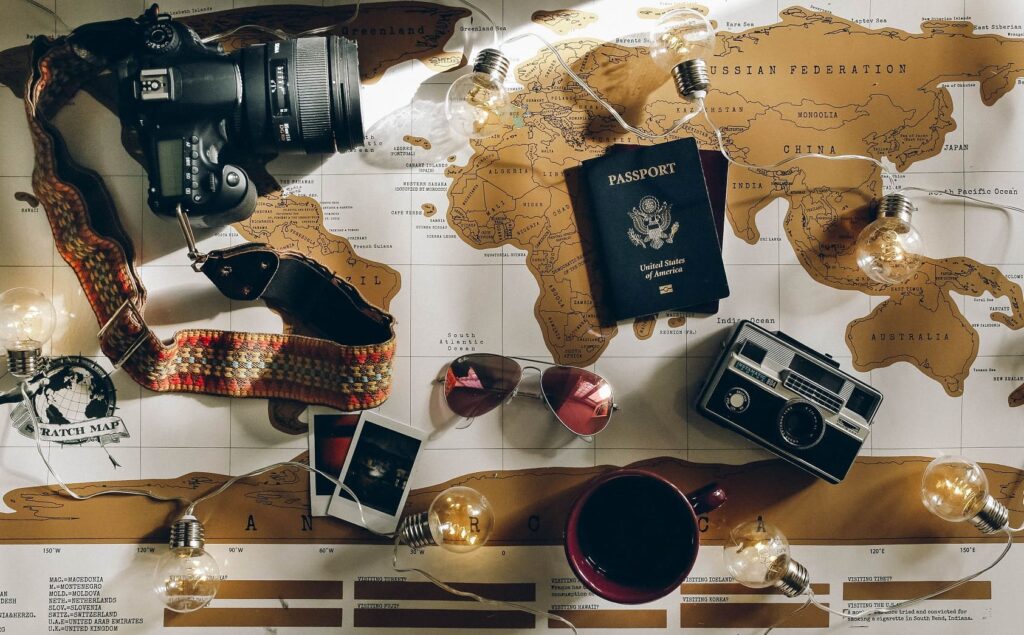
Your passport must be valid for a minimum of six months from the date of arrival into Tanzania and include adequate blank pages for visa stamps. If your passport fails to match the criteria, you must renew it or acquire a new one before applying for the visa.
Global Air Travel
Kilimanjaro International Airport (KIA) is the ideal airport for accessing the Serengeti. Alternatively, Mwanza International Airport and Jomo Kenyatta International Airport in Nairobi may also be considered as choices.
Are you prepared to commence arranging your trip to Tanzania and Serengeti National Park? Explore our meticulously curated safari itineraries to the Serengeti. Our Serengeti tours include meticulously designed itineraries that encompass the Serengeti and additional attractions in Tanzania, as well as broader itineraries that incorporate Kenya and Uganda.