History Of Tarangire National Park
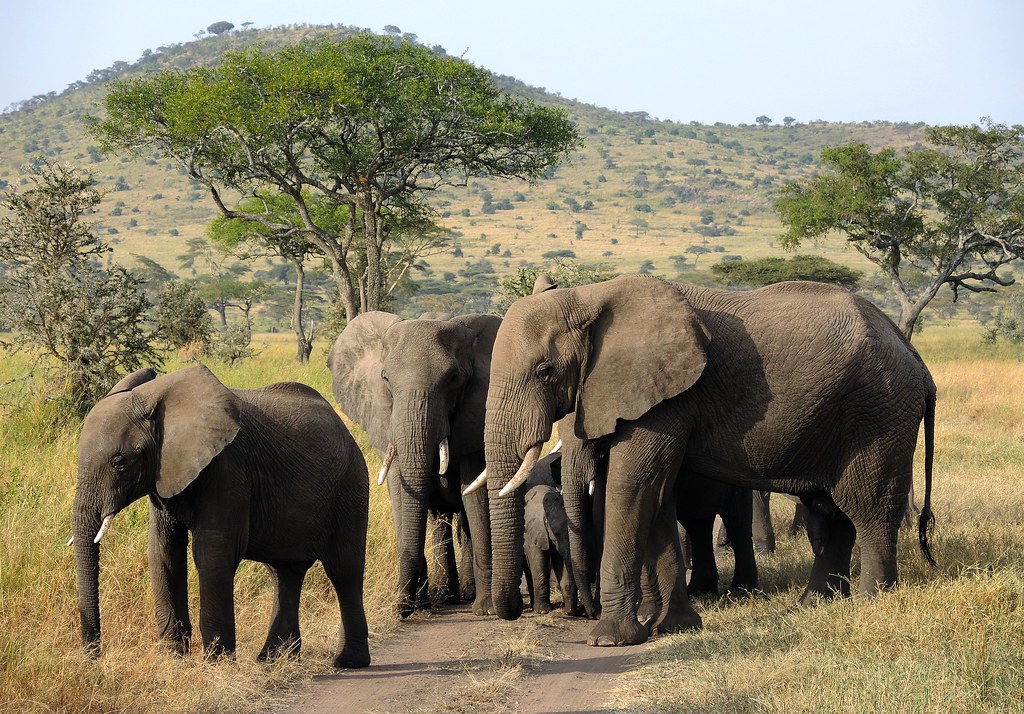
History Of Tarangire National Park: Tarangire National Park is an underappreciated gem in Tanzania, renowned for its remarkable amalgamation of species and landscapes, along with numerous narratives. The park is located in the Manyara region, roughly 118 kilometers southwest of Arusha, with an area exceeding 2,850 square kilometers.
The region is recognized for its abundant elephant population, ancient baobab trees, seasonal marshes, and diverse animals; but, beneath this splendor lies a concealed history that shaped both the country and its inhabitants. Acquiring knowledge about the history of Tarangire enhances guests’ connection to the park, alongside the game drives and sunsets.
Old Inhabitants and Cultural Traditions.
Prior to its designation as a national park in 1970, Tarangire was inhabited by pastoralist settlers, notably the Maasai and Barabaig. These individuals relied on cattle pasture land and river valleys as summer habitats. The Tarangire River, which traverses the park, provides sustenance for both wildlife and humans.
Oral traditions delineate the historical movement patterns of populations that followed water sources during arid periods. Numerous sacred sites included baobab trees, revered as symbols of fertility and strength. Currently, some Maasai elders recount stories linking the Tarangire scenery to ancestral spirits and rituals.
Hunting Reserves during the Colonial Era.
Northern Tanzania emerged as a significant hunting territory for Europeans throughout the colonial period. The rich fauna of Tarangire attracted hunters because of its substantial populations of game that had been regarded as prizes prior to the establishment of conservation legislation. Elephants, lions, leopards, and buffalo were extensively hunted, resulting in significant depletion in specific areas.
The name Tarangire is said to originate from a native term meaning “river of warthogs” or “place of wildebeests,” reflecting how the indigenous people identified its abundant fauna. The escalation of hunting in the early 20th century raised concerns around species depletion. This ultimately led to the creation of game reserves in the 1950s, which subsequently established the basis for national park designation.
Establishment of the National Park
Tarangire National Park was founded in 1970, signifying the commencement of its history. The migration displaced several pastoralist communities that had inhabited the region for centuries. Conservation emerged as the primary priority, although causing friction between traditional land use and the developing park policy.
Over time, the problems were mitigated through programs that involved local populations in tourist and conservation projects. The integration of cultural tourism and the establishment of lodges and safari enterprises in villages next to the park are advantageous; yet, the equilibrium between conservation and community remains precarious.
The function of the Tarangire River.
The park features a central river, integral to its ecological and historical significance. For ages, both humans and animals depended on it as a perennial water source. The Tarangire River serves as a wildlife magnet throughout the dry season from June to October, drawing substantial herds of antelopes, giraffes, elephants, zebras, wildebeests, and other fauna.
This periodic gathering evokes the assemblies of ancient pastoralists who congregated around the same streams. For the traveler, wildlife migrating to the river resembles witnessing history manifest—a perennial survival pattern of the African bush.
The Elephant Migration of the Neglected.
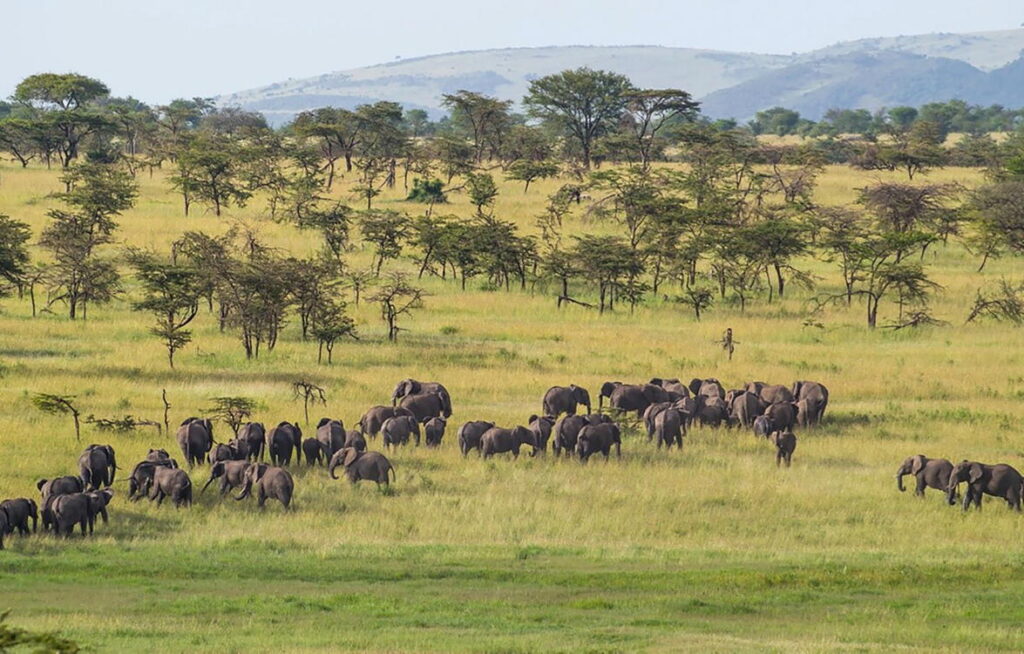
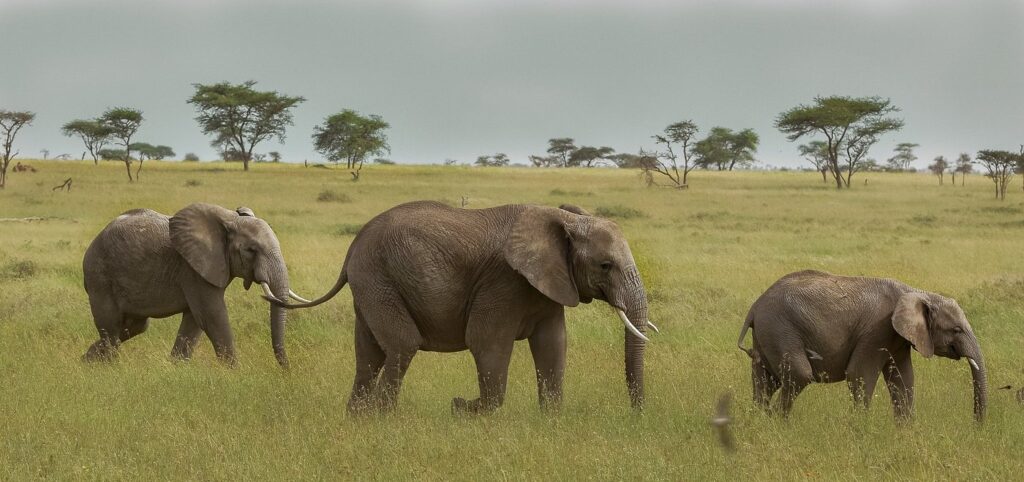
The elephant migration is a historical phenomenon of Tarangire, recognized as one of the major elephant migrations in East Africa. Prior to the advent of safari tourism, elephants migrated between Tarangire, Lake Manyara, and Amboseli in Kenya in search of water and sustenance. Local hunters and herders were acquainted with the migration pathways, which had been utilized by their ancestors for generations.
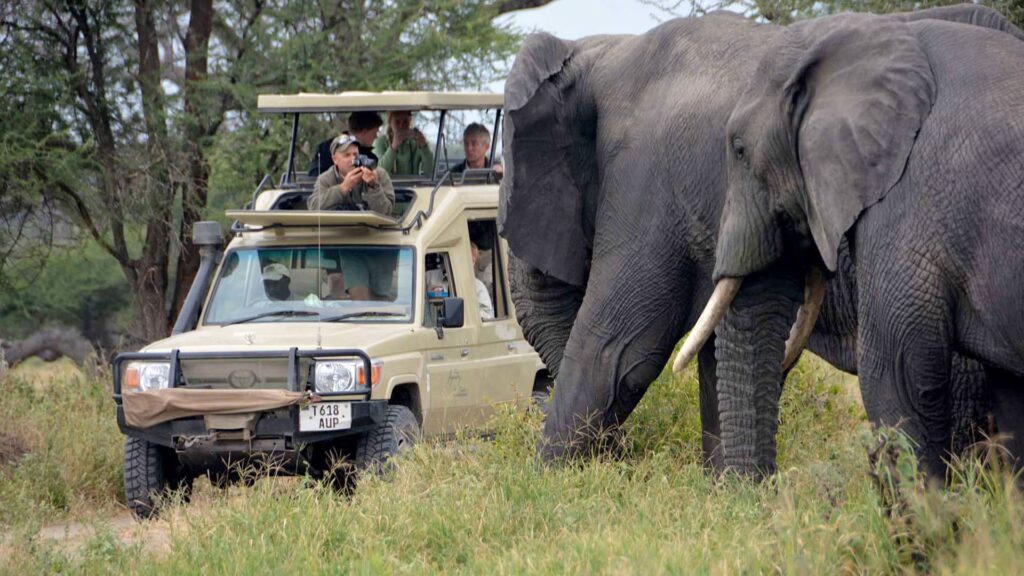
Conservationists subsequently mapped these routes, highlighting the significance of Tarangire for the survival of local elephants. Despite its aridity, the park continues to host over 3,000 elephants, serving as a reminder of the challenges it once encountered and the triumphs of its conservation initiatives.
Baobab Trees: Old Historical Flora.
The history of Tarangire is reflected in the baobab trees, some of which are thought to be over a millennium old. These giants have endured centuries of migration, drought, hunting, and conservation efforts. Historically, individuals utilized baobab bark for rope and medicinal purposes, while elephants peel the trunk to hydrate during arid seasons. Numerous baobabs in Tarangire bear scars from centuries of utilization, serving as mute witnesses to the historical interplay between humans, wildlife, and nature, as well as its evolution.
Achievements and Obstacles in Conservation.
Crisis episodes constitute a significant aspect of Tarangire’s history. It nearly eradicated its entire elephant population in the 1980s, reminiscent of experiences during the colonial period. Wildlife populations were, however, restored by rigorous anti-poaching initiatives, community involvement, and the advancement of sustainable tourism.
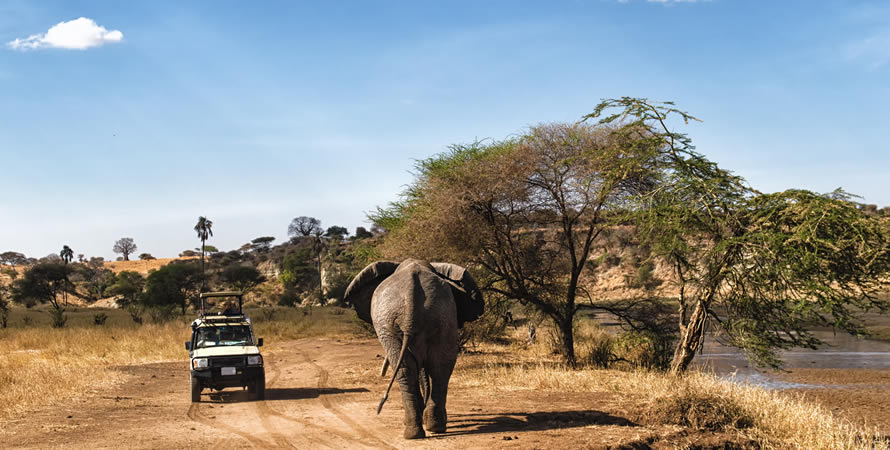
The park is presently a significant element of the northern Tanzanian safari circuit, with Serengeti, Ngorongoro, and Lake Manyara. This serves as a warning that history may be weaponized against individuals, yet communities and environmentalists can leverage their historical narratives for their own defense.
Tarangire Today: A Park with a Narrative.
Tarangire currently serves as both a safari park and an ecological and historical museum. Visitors to the game drives and avian observations will likely discover that the park is imbued with a multitude of narratives, encompassing Maasai grazing territories, colonial hunting encampments, the migration of elephants, and revered baobab trees. Understanding this concealed past will enrich the safari experience, transforming each interaction with an elephant herd or a cluster of baobabs into a temporal journey.
Conclusion: The Significance of Tarangire’s Historical Narrative.
The concealed history of Tarangire National parkreveals that the area encompasses more than mere wildlife observation. The geography is shaped by ancient cultures, colonial exploitation, ecological resiliency, and conservation efforts. For tourists, understanding this history transforms a safari into a journey through time. By choosing to visit Tarangire, you not only observe extraordinary wildlife occurrences but also contribute to the preservation of a park intimately linked to Tanzania’s history. When organizing your safari, leverage the historical significance of Tarangire, as each herd of elephants, flowing river, and majestic baobab tree conceals centuries of untold stories waiting to be discovered.