Are Animals Capable of Exiting the Ngorongoro Crater?
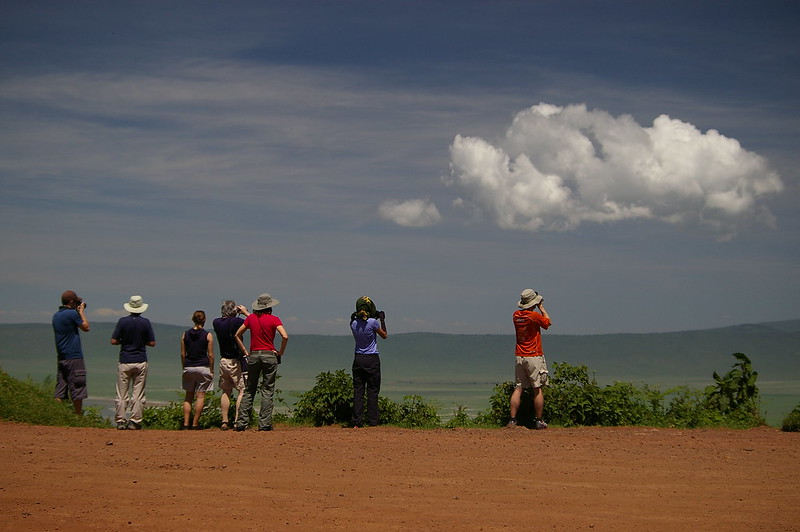
Are Animals Capable of Exiting the Ngorongoro Crater, Ngorongoro Crater, often dubbed the eighth wonder of the world, is a natural marvel located in northern Tanzania. This extensive volcanic caldera spans 260 square kilometers and features a remarkable array of animals, including renowned big cats, colossal elephants, and splendid antelopes. Visitors frequently inquire whether the animals within this vast crater can escape or if they are eternally confined behind its walls. The elucidation of crater dynamics and the behavior of wildlife presents captivating insights into one of Africa’s most remarkable ecosystems.
The Ngorongoro Crater in Comprehension.
Ngorongoro Crater exemplifies a depression formed when a colossal volcano collapsed upon itself approximately two million years ago, resulting in a near-perfect circular formation. It is enclosed by sheer walls rising up to 600 meters above the crater floor. The distinctive walls contribute to the ecosystem’s distinctiveness within the crater. The ground is a rich tapestry of grasslands, wetlands, and tiny woodlands, providing sustenance and refuge for various fauna. This location offers a distinctive opportunity for animal observation in a limited area, hence establishing it as one of the premier safari destinations in Tanzania.
The Crater Walls of the Physical Obstacle.
The physical barrier is the primary issue to consider when addressing the topic of whether animals may exit the Ngorongoro Crater. The walls are perpendicular and coarse, with a restricted number of natural egresses. The larger creatures, such as elephants, rhinos, lions, and buffalo, rarely attempt to depart due to the challenging terrain, however smaller animals like birds and certain antelopes may traverse the less arduous hills. The steep cliffs function as a natural barrier, effectively containing animals and preventing overgrazing in the region. This has maintained biological equilibrium in the crater for generations.
Locomotion and Mobility in Fauna.
The crater walls serve as a strong barrier, although animal behavior significantly influences the departure of wildlife from the Ngorongoro Crater. The bulk of the species are territorial and adapted to the abundant resources present in the crater. In the instance of elephants and buffalo, there exists less incentive to ascend the walls when sustenance and hydration are plentiful at the crater’s base.
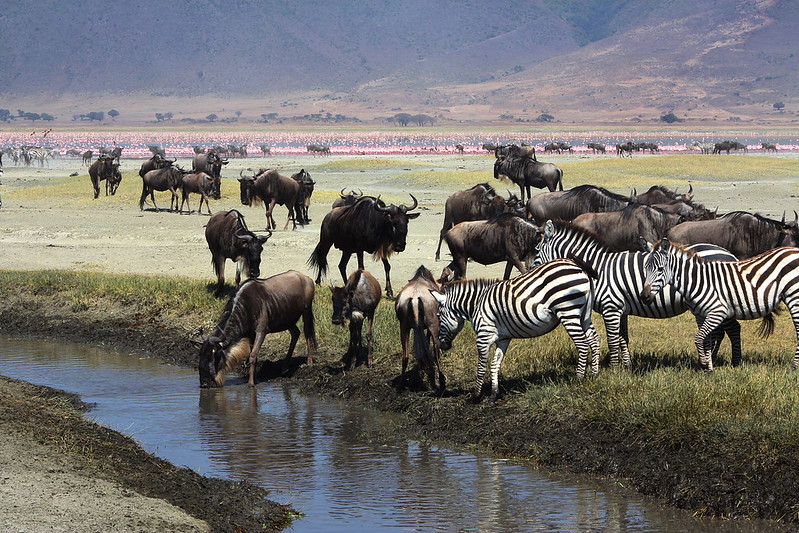
Lions and leopards are predators who consume animals located within the crater region; hence, they lack an incentive to venture beyond the walls. Seasonal migrations occur, particularly among grazers like zebras and wildebeest, who often traverse the expansive Ngorongoro Conservation Area rather than the steep crater slopes.
Occasional Exits and Exceptions.
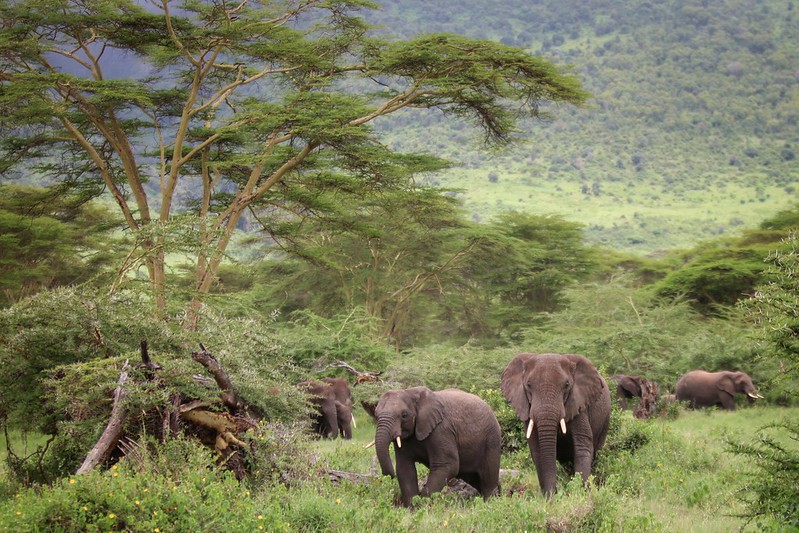
However, only a limited number of creatures exit the crater. The situation of juvenile elephants will exemplify this; they may explore peripheral areas to discover new foraging sites or establish territories. Smaller mammals and birds frequently traverse in and out, contributing to the natural diversity of the adjacent highlands. These field trips are limiting; nonetheless, the majority of the extensive wildlife population within the crater is regulated. One reason Ngorongoro is regarded as a sanctuary for endangered species, such as the black rhino, is because it provides a refuge that protects them from poaching and habitat damage.
The Ngorongoro Conservation Area.
The Ngorongoro Conservation Area adjacent to the crater is essential for enabling wildlife movement beyond the crater floor. This enlarged secure zone would facilitate the unrestricted movement of animals across diverse habitats, including savannahs, woodlands, and pastoral lands utilized by the Maasai. Juvenile animals migrate into and out of this conservation area seasonally, and this dispersal introduces genetic diversity, significantly reducing the likelihood of overpopulation within the crater. Tourists can also book the expansive region on a Tanzania safari, where they can observe wildlife in less congested areas and experience the contrast between the enclosed setting of the crater and the broad plains of the adjacent landscape.
Effects on Wildlife Tourism
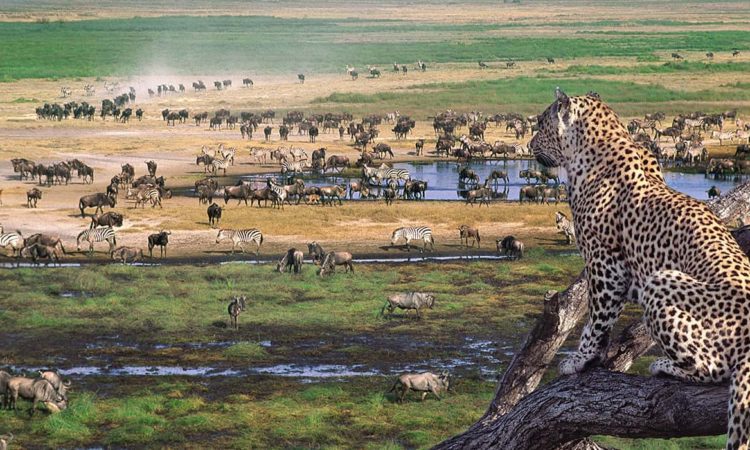
It positively influences the containment of wildlife within the Ngorongoro Crater regarding wildlife tourism. Tourists have a significant likelihood of encountering the five giants of the Big Five—lion, leopard, elephant, buffalo, and rhinoceros—within a confined area. This guarantees that the crater safari is efficient and rewarding, allowing tourists to witness a diverse array of animal species in a single excursion. The animals exhibit predictability, providing excellent opportunities for photography, as lions recline by the watering holes and wildebeest graze in the shaded hills of the crater, creating an ideal subject against the crater’s backdrop.
Organizing Your Visit
Planning is essential for travelers interested in experiencing the unique dynamics of Ngorongoro. Safaris typically commence in the early morning to observe animals at their most active state. This is complemented by comfortable attire, sunscreen, and binoculars. Guided tours provide insight into animal behavior, geology, and the history of the crater, enhancing the experience beyond simple observation. While animals may struggle to exit the crater, the sight of them within this naturally enclosed area is invaluable, providing visitors with a deep appreciation for the delicate balance of life in this remarkable environment.
Final Assessment
Ngorongoro Crater is regarded as one of Africa’s most exceptional wildlife reserves, where terrain and animal behavior create a self-sustaining ecosystem. Despite the inability of most large animals to traverse the steep walls, ecological diversity is sustained by sporadic excursions and the surrounding protection area. This offers travelers a remarkable opportunity to observe diverse wildlife in a vibrant natural environment from a tailored distance. A visit to the Ngorongoro Crater is an unforgettable experience that offers insight into one of Tanzania’s most stunning landscapes. Experiencing the crater firsthand invites one to appreciate the harmony of existence inside a natural amphitheater and to create enduring memories.