Bagamoyo: Location, Attractions, Things to to & When to Visit
Bagamoyo, located around 75 kilometers north of Dar es Salaam, was historically the departure port for slaves from the interior and subsequently served as the inaugural German colonial capital. This location holds substantial importance in world history, serving as a gateway for Arab and European missionaries, explorers, and traders in East and Central Africa, as well as in the context of the notorious slave trade.
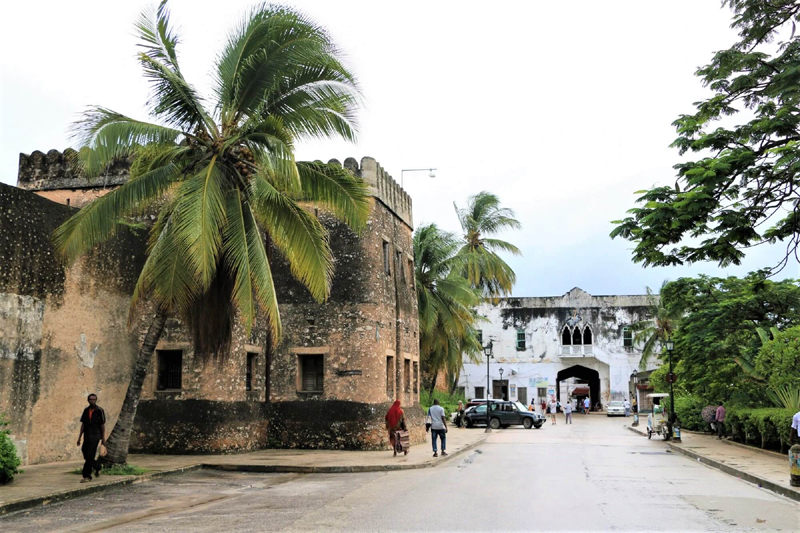
Bagamoyo is currently under consideration for designation as a World Heritage site, aimed at conserving and safeguarding its remarkable Gothic and Afro-Arabic architecture inside this historically rich coastal settlement.
Tourist attractions encompass the Kaole ruins from the 12th century, believed to signify one of the earliest interactions between Islam and Africa; the Old Fort, constructed in 1860 for the detention of slaves destined for Zanzibar; the inaugural Roman Catholic Church in East Africa, established circa 1868, which served as a base for a camp housing approximately 650 freed slaves; the Boma, the headquarters of the German colonial administration in the initial capital of German East Africa; the Mission Museum, which showcases the history of Bagamoyo; and the Livingstone Memorial Church, among others. Bagamoyo’s white sand beaches are regarded as among the finest along the entire East African coast.
Tourist Attractions and Activities in Bagamoyo
A Comprehensive Guide to Tourist Attractions and Activities in Bagamoyo, Tanzania: The eastern coast of Bagamoyo, Tanzania, is an undiscovered treasure and an essential destination for those seeking a unique and culturally rich travel experience. This medieval town is filled with attractions and activities that will captivate any tourist. It was formerly a prosperous trading port and the capital of German East Africa.
Bagamoyo is renowned for its exquisite beaches, characterized by fine white sand and turquoise waters, rendering it an ideal destination for leisure and sunbathing. The Bagamoyo Slave Market and the Kaole Ruins illustrate the historical importance of the area, offering history enthusiasts insight into the grim legacy of the slave trade.
Visitors may purchase exquisite artwork, jewelry, and traditional carvings at the Bagamoyo Arts Community, which functions as a hub for local artisans. The community further hosts exhibitions and seminars, providing a unique insight into Tanzanian creativity and culture.
The diverse animals present in and around Bagamoyo will enchant nature enthusiasts. Explore the adjacent Saadani National Park and embark on a safari to observe elephants, giraffes, lions, and other avian species. The Wazaramo Mangrove Boardwalk is an essential site, allowing tourists to traverse the captivating mangrove woods and appreciate the region’s rich biodiversity.
Bagamoyo provides visitors the opportunity to engage in exhilarating water activities such as snorkeling and diving to see the bright coral reefs abundant with marine life, alongside its natural and historical sites.
Bagamoyo, characterized by its captivating amalgamation of culture, history, and natural beauty, is a destination that warrants attention. Discover the rich history, relax on the immaculate beaches, and enjoy the warm hospitality of this Tanzanian coastal town.
Top Tourist Attractions and Activities In Bagamoyo, Tanzania
Kaole Ruins: Premier Attractions in Bagamoyo
Kaole Ruins is one of the most renowned attractions in Tanzania’s Bagamoyo region. This historical landmark, located around 70 kilometers north of Dar es Salaam, offers a unique insight into the region’s vibrant history. The ruins are believed to have had been part of a medieval Swahili coastal trading settlement. The remnants of mosques, tombs, and residences are accessible to tourists, allowing them to appreciate the architectural accomplishments of the era. The Great Mosque, said to be the oldest mosque in Tanzania, is the most prominent feature of the Kaole Ruins. The remarkable stonework and elaborate sculptures exemplify the skill and artistry of the builders. The region contains several dispersed cemeteries, some believed to be the final resting places of historical figures.
The Kaole Ruins provide tourists with a serene environment to relax and appreciate the surroundings, alongside their historical importance. The location offers photographic prospects and the opportunity to admire nature, since it is enveloped by verdant foliage and interspersed with baobab trees.
Guests to Bagamoyo should undoubtedly explore the Kaole Ruins. It is recommended to engage a competent guide who can provide comprehensive insights regarding the site and its significance. It is prudent to verify the latest costs before to visiting the location, as it is accessible to the public and admission fees may apply.
Bagamoyo Old Town: Principal Attractions in Bagamoyo
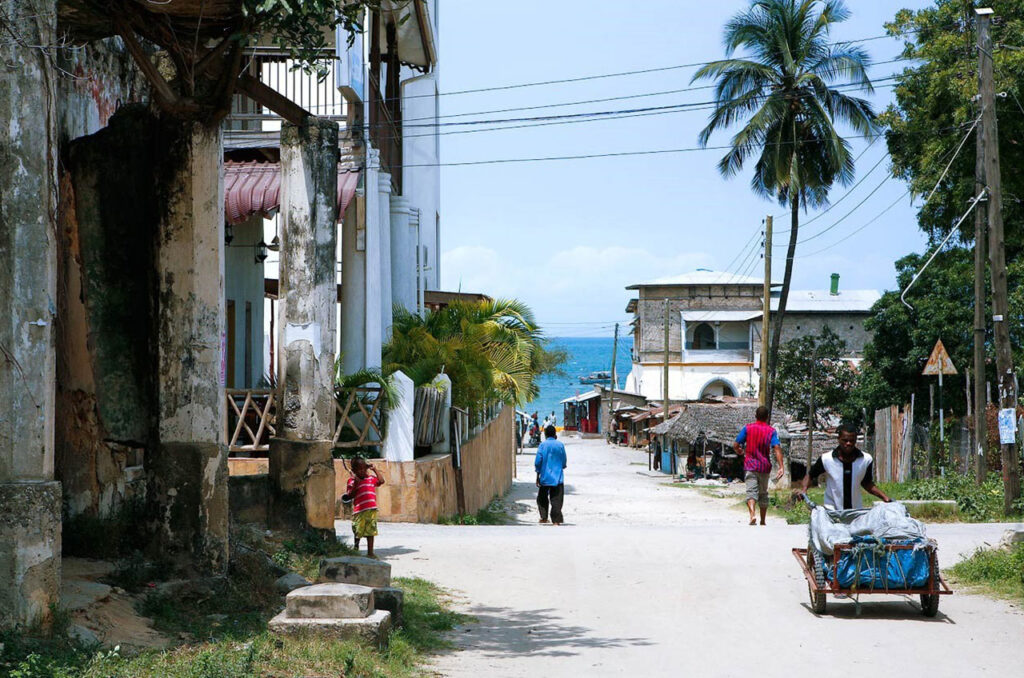
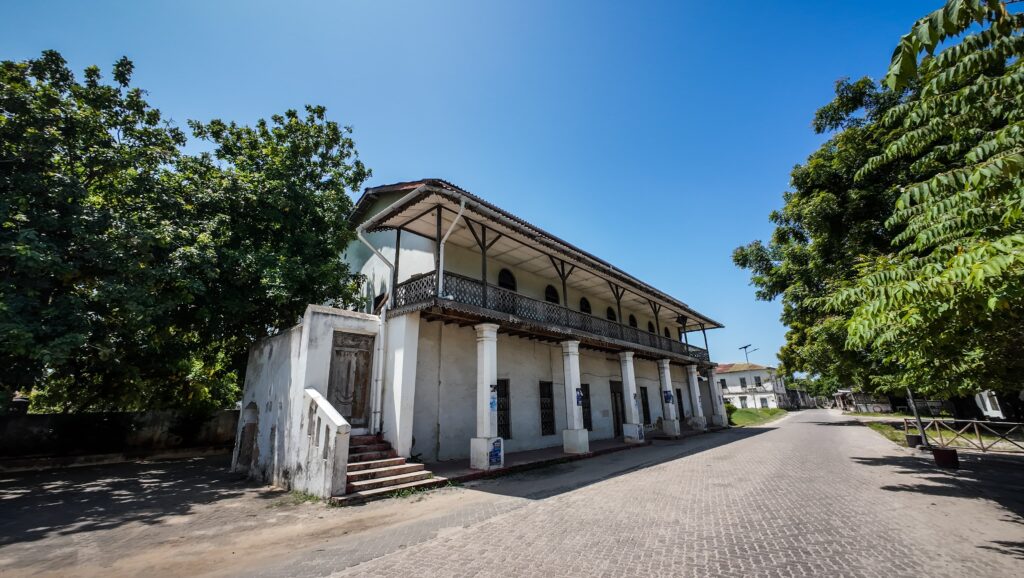
Bagamoyo Old Town in Tanzania is an essential destination for tourists seeking a profound historical and cultural experience. This seaside town, formerly a prominent port and trading center, has evolved into a captivating travel destination attracting travelers globally. The meticulously preserved Swahili architecture in Bagamoyo Old Town is famous for its sophisticated amalgamation of African, Arab, and European influences. You will be captivated when walking through the serpentine alleyways adorned with historic homes featuring finely carved wooden doors and balconies, which evoke the town’s affluent history. The town’s genuineness and absence of commercialization allow visitors to thoroughly engage with the community’s culture.
The Bagamoyo Museum is among the city’s most renowned attractions. The museum provides an understanding of the town’s historical role as a prominent trading center and slave market in the 19th century. It is located in a historic German colonial administration edifice. A collection of objects, pictures, and records is exhibited to elucidate Bagamoyo’s role in the East African slave trade and its impact on Tanzanian history.
Adjacent to Bagamoyo Old Town are the Kaole Ruins, a popular attraction. These 13th-century historic ruins offer insight into the region’s past. The region’s Islamic past is exemplified by the remnants of mosques, tombs, and more structures available for exploration by visitors.
Bagamoyo offers exquisite beaches and the adjacent Bagamoyo Forest Reserve for nature enthusiasts. The beach is renowned for its tranquil atmosphere, soft sand, and crystalline seas, rendering it perfect for relaxation and leisurely strolls along the coastline. Conversely, the Bagamoyo Forest Reserve serves as a sanctuary for ornithologists and those seeking to further their understanding of the coastal mangrove ecology.
Additionally, Bagamoyo is recognized for its vibrant artistic scene. The village has evolved into a hub for musicians and artists, featuring numerous studios and galleries that exhibit local talent. Visitors can engage with the local arts and crafts community, witnessing traditional performances and acquiring unique souvenirs.
Bagamoyo Old Town is a repository of natural beauty, historical significance, and cultural richness. Travelers seeking to immerse themselves in Tanzania’s essence will discover it to be the perfect location due to its well-preserved architecture, historical landmarks, breathtaking beaches, and dynamic arts culture.
Bagamoyo Art Market: Principal Attractions in Bagamoyo
Bagamoyo, located in Tanzania, is a vibrant seaside community with a rich history and breathtaking landscapes. The Bagamoyo Art Market is among the city’s best attractions. This colorful market showcases the talent and originality of area artisans, serving as a sanctuary for art aficionados.
The Bagamoyo Art Market is a flourishing hub for traditional African arts and crafts, including wood carvings, paintings, sculptures, and jewelry. Visitors can discover authentic and rare artifacts that showcase Tanzania’s vibrant cultural heritage here. The market is a treasure trove of artisanal products that enables tourists to take home a fragment of Bagamoyo’s artistic essence.
The Bagamoyo Art Market provides an extensive array of artwork and enables visitors to engage directly with the artists. This unique relationship allows visitors to understand the methodologies, storylines, and inspirations behind each item, thereby enriching the entire experience.
The market is famous for its vibrant and cheerful ambiance. A journey entails absorbing the lively energy while browsing the stalls beneath colorful umbrellas. The market authentically reflects the hospitality and warmth of the residents, creating a distinctive cultural experience.
Attending the Bagamoyo Art Market not only supports regional artists but also provides insight into Tanzania’s traditional craftsmanship and artistic prowess. The market in Bagamoyo is an essential destination, whether you are an art aficionado or seeking a unique souvenir. Immerse yourself in the artistic ambiance, appreciate the elegance of African art, and acquire a unique artifact from Bagamoyo to take home.
Bagamoyo Beach: Main Attractions in Bagamoyo
Travelers seeking a destination that merges natural splendor with a profound cultural legacy should include Bagamoyo Beach, located in the historic town of Bagamoyo, Tanzania, in their vacation plans. Bagamoyo, known as the “Gateway to Zanzibar,” offers guests a unique and captivating experience.
The stunning beaches in Bagamoyo are among the region’s primary attractions. Bagamoyo Beach provides a tranquil and picturesque environment for repose, characterized by its unblemished white sands and azure waters. Visitors can engage in beach activities such as walking, swimming, and sunbathing while enjoying the serenity of the Indian Ocean.
The historical significance of Bagamoyo is an additional attractive aspect. The town’s extensive past is evident in its architecture and landmarks as a former trading harbor and slave route. Visitors may investigate the UNESCO World Heritage Site of Bagamoyo Old Town, characterized by its historic Arabic and traditional Swahili buildings along meandering lanes.
The Kaole Ruins, located near Bagamoyo, are another notable site. These 13th-century ruins provide insights into the region’s early habitation and cultural legacy. The remains are captivating to investigate and offer a compelling glimpse into Bagamoyo’s history.
Art and culture enthusiasts can discover much to appreciate in Bagamoyo. The town is famous for its vibrant art scene, featuring numerous galleries and workshops showcasing traditional Tanzanian art. Visitors may observe the artistic prowess of local artists and participate in workshops to create their own artworks.
A visit to the adjacent Saadani National Park is imperative for wildlife aficionados. This park provides a unique combination of wilderness and beach experiences, as it is the sole park in Tanzania adjacent to the Indian Ocean. Visitors can observe numerous avian species, along with elephants, lions, giraffes, and various other wildlife.
Bagamoyo provides a range of activities for adventure enthusiasts alongside its natural and cultural features. Numerous methods exist to explore the ocean and its marine fauna, including dhow cruises, fishing expeditions, kayaking, and snorkeling.
Ultimately, do not forgo the opportunity to relish the exquisite local gastronomy. In Bagamoyo, renowned for its seafood, visitors may savor an array of fresh, savory cuisine inspired by Swahili and Arabic traditions.
Bagamoyo Beach offers an optimal combination of recreation, culture, artistry, and adventure. Bagamoyo has activities suitable for all categories of travelers, whether they seek tranquility, cultural engagement, or outdoor pursuits. Organize your journey to this captivating destination and discover the premier attractions that distinguish Bagamoyo among Tanzania’s coastal towns.
Caravan Serai Museum: Principal Attractions in Bagamoyo
The Caravan Serai Museum is a premier attraction in Bagamoyo, Tanzania. The town’s principal historical museum offers a captivating exploration of the region’s extensive cultural heritage and commercial history.
The Caravan Serai Museum, formerly known as the Old Customs House, was originally built in the 19th century as a rest station for caravans journeying from the interior of East Africa to the coast. The building’s elaborately carved doors and Arabic-influenced motifs exemplify Swahili architecture remarkably.
Visitors to the museum can examine a captivating collection of antiques and exhibits that emphasize the town’s history as a prominent trading center. The museum houses ancient coins, ceramics, textiles, and items utilized by local traders and tourists.
The Caravan Serai Museum’s depiction of the prosperous slave trading period is a notable feature. Visitors can gain insight into the grim facts of this challenging period in Bagamoyo’s history through exhibits and informational panels. The museum offers insight into the struggle against slavery and the abolitionist movement.
Guided tours are available, allowing visitors to acquire knowledge about the exhibits and enhance their understanding for Bagamoyo’s historical importance. The experience is augmented by erudite guides who offer perceptive comments and may address inquiries.
Besides its historical importance, the Caravan Serai Museum features a charming garden where visitors can relax and appreciate the tranquil atmosphere. A serene oasis is established in the courtyard, adorned with verdant foliage, situated in the heart of Bagamoyo.
Individuals intrigued by history, culture, or the importance of Bagamoyo as a trading center can visit the Caravan Serai Museum. It provides visitors the opportunity to revisit the past and cultivate a more profound comprehension of the region’s history.
The Caravan Serai Museum, a prominent attraction in Bagamoyo, Tanzania, offers a captivating insight into the town’s trading history and cultural heritage. This museum is essential for tourists seeking a memorable and educational experience, with remarkable architecture, informative displays, and a tranquil courtyard.
Catholic Mission Museum: Premier Attractions in Bagamoyo
The Catholic Mission Museum is a prominent attraction in the coastal town of Bagamoyo, Tanzania. The museum, located within the esteemed Bagamoyo Catholic Mission, offers insight into the region’s profound history and cultural legacy.
A comprehensive assemblage of artifacts, documents, and photographs exhibited at the museum underscores the initial missionary endeavors in Bagamoyo. Visitors can examine the exhibits to learn about the establishment of the Catholic Church in the region and its impact on the community.
The museum’s display of traditional African art is a primary attraction. Visitors can observe exquisite sculptures, masks, and other artistic creations that showcase the talent and expertise of local artists. This section of the museum offers a unique opportunity to appreciate the elegance and cultural importance of traditional African art forms.
The exhibits in the Catholic Mission Museum also address the history of the slave trade in Bagamoyo. Visitors can gain insights into the town’s involvement in trade and its enduring impacts on the region through visual exhibits and informative panels. This enlightening portion of the museum highlights a crucial although often overlooked aspect of Bagamoyo’s history.
The museum offers guided tours, allowing visitors to examine the exhibits more thoroughly and gain a comprehensive picture of the Catholic Mission’s endeavors in Bagamoyo. The knowledgeable tour guides convey intriguing facts and anecdotes that animate history.
History enthusiasts and others intrigued by culture ought to explore the Catholic Mission Museum in Bagamoyo. The remarkable collection and instructive exhibits present a captivating exploration of the town’s storied history and the substantial impact of the Catholic Church on Bagamoyo.
Bagamoyo College of Arts: Principal Attractions in Bagamoyo
The Bagamoyo College of Arts, located in the Tanzanian town of Bagamoyo, is a primary attraction in the region. Patrons of this esteemed institution have a unique opportunity to experience Bagamoyo’s vibrant arts and cultural milieu.
Bagamoyo College of Arts, or Chuo cha Sanaa Bagamoyo, was established in 1961 and possesses a rich history. The college is dedicated to cultivating and nurturing artistic talent across various disciplines, including music, dance, theater, and visual arts. It has been crucial to preserving and advancing Tanzania’s cultural customs and history.
Visitors can thoroughly engage with the regional arts scene by attending performances, exhibitions, and workshops organized by Bagamoyo College of Arts. Performances highlight traditional Tanzanian music and dance, exemplifying the dynamic motions, vivid costumes, and rhythmic beats that characterize Tanzanian culture.
The college campus, characterized by its historic architecture and verdant grounds, is an appealing site for exploration. Bagamoyo, formerly a pivotal hub for the slave trade and a prominent trading port, is represented in its architecture as possessing considerable historical and cultural importance. It is noteworthy that Bagamoyo College of Arts is in proximity to the Bagamoyo Museum, a prominent tourist attraction in the region.
The college offers a range of courses and programs for overseas students interested in Tanzanian arts and culture. Visitors may select between long-term diploma or degree programs or short-term courses, contingent upon their level of interest and commitment.
To genuinely experience Tanzanian culture, one must visit the Bagamoyo College of Arts in Bagamoyo. The institution aids in the preservation of Tanzania’s cultural history and offers an engaging insight into Bagamoyo’s vibrant arts scene through its performances, exhibitions, and educational initiatives.
Holy Ghost Mission: Principal Attractions in Bagamoyo
The Holy Ghost Mission is one of the most renowned attractions in this historic coastal town in Tanzania. This mission draws travelers globally because of its intriguing history, cultural importance, and exquisite architecture.
French Catholic missionaries established the Holy Ghost Mission, commonly referred to as the Missionaries of the Holy Spirit, in the late 19th century. The colonial era was pivotal for the expansion of Christianity in East Africa. The mission remains a testament to the region’s persistent spiritual and cultural legacy.
One can examine the church’s remarkable architectural elements, including its formidable bell towers and elaborate stained glass windows, by visiting the Holy Ghost Mission. Exquisite murals and sacred objects adorn the splendid interior, establishing a serene environment for contemplation and worship. Besides its religious importance, the Holy Ghost Mission offers insight into Bagamoyo’s history and its connection to the slave trade. In a challenging period of Tanzania’s history, the mission functioned as a refuge for liberated slaves and an educational institution.
When visiting the Holy Ghost Mission, ensure to explore the meticulously maintained grounds, featuring a serene garden and a cemetery where missionaries and townspeople are interred.
The Holy Ghost Mission provides a unique and significant cultural experience that visitors to Bagamoyo should not miss. The Holy Ghost Mission is an essential destination in Bagamoyo, irrespective of one’s interest in history, spirituality, or remarkable architecture.
German Boma: Principal Attractions in Bagamoyo
The German Boma is one of the most renowned attractions in Bagamoyo, Tanzania. This ancient edifice, erected in the late 19th century, stands as a significant reminder of the era of German colonialism. The Boma, meaning “fortress” in Swahili, was originally constructed as a governmental administrative center under the German rule.
Investigate the German Boma and uncover its intriguing history. The edifice features exquisite architectural elements, including intricately carved wooden doors, graceful columns, and a crimson roof. A museum exists within that showcases antiques and exhibits illuminating the German colonial period and Bagamoyo’s cultural history.
The German Boma, situated at a high elevation, offers breathtaking panoramic vistas of the Indian Ocean. This site is ideal for photography aficionados, offering stunning vistas of the surrounding landscapes and shoreline.
The German Boma serves as a cultural center of historical importance, featuring a diverse array of events and exhibitions. The dynamic local legacy of Bagamoyo is commemorated through live traditional music and dance performances, art exhibitions, and various cultural events.
The German Boma is situated centrally in Bagamoyo and is accessible by foot or a brief cab ride from the town center. Visitors may access it year-round, and guided tours are available for those seeking an in-depth understanding of its historical significance.
While visiting Bagamoyo, be sure to see the German Boma. It is a renowned landmark that showcases Tanzania’s unique cultural amalgamation and offers insight into the nation’s colonial history.
The Initial Factory Structure: Principal Attractions in Bagamoyo
The First Factory Building in Bagamoyo, Tanzania, is an essential destination for history enthusiasts and cultural aficionados. The First Factory Building, located in the heart of this historic town, holds considerable historical significance as the inaugural industrial structure erected in East Africa.
The German East Africa Company, pivotal to colonial trade and commerce, was headquartered in a late 19th-century edifice. Examine the meticulously preserved ruins to gain insight into Bagamoyo’s intricate history as a prominent trading port.
Upon entering the building, one will instantly observe the unique architectural style that amalgamates Swahili and German elements. The expansive interiors, vaulted entryway, and robust walls serve as tangible memories of the formerly vibrant industrial operations that occurred within these confines.
While traversing the ruins, one might envision merchants and laborers bustling within offices, warehouses, and workshops. Despite the factory’s closure, its remnants provide a tangible connection to history and enhance the narrative of Bagamoyo’s colonial heritage.
It is recommended that you explore the First Factory Building with a knowledgeable guide who can elucidate its historical importance and respond to your inquiries. To optimize your visit, consider incorporating a trip to the adjacent Bagamoyo Museum or a leisurely walk along the picturesque beach.
In summary, the First Factory Building in Bagamoyo serves as a testament to the region’s colonial history and offers tourists a unique opportunity to see the remnants of East Africa’s inaugural industrial structure. Explore the intriguing narratives associated with this captivating site as you delve into its history, appreciate the architecture, and navigate the location.