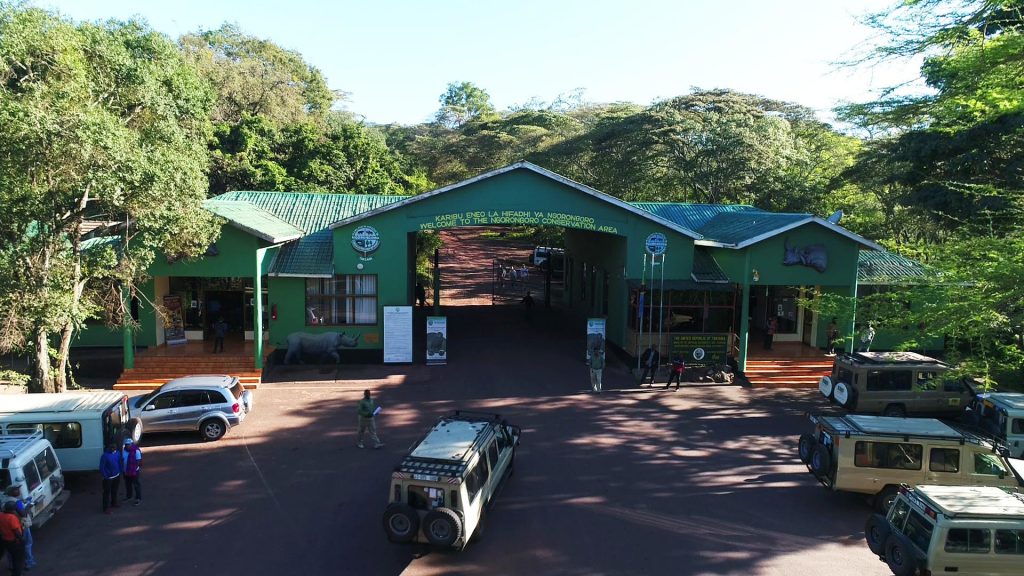
Ngorongoro Conservation Area Gates
Ngorongoro Conservation Area gates, the Ngorongoro Conservation Area is a remarkable safari protected region in Tanzania, renowned for its extraordinary wildlife viewing, stunning volcanic landscapes, and rich cultural legacy. Familiarity with the Ngorongoro Conservation Area gates is essential for effectively arranging entry and navigation inside this UNESCO World Heritage Site, hence optimizing the safari experience. These gates serve as significant access points to the vast wilderness of the renowned Ngorongoro Crater, Ndutu plains, and the surrounding highland habitats. Comprehending the operation of these gates enhances the overall experience of a self-drive safari, guided viewing tour, or multi-destination journey in northern Tanzania.
Main Gates of the Ngorongoro Conservation Area in Tanzania.
The Ngorongoro Conservation Area features several entry gates that are strategically positioned to regulate visitor access, collect entry fees, disseminate information, and oversee conservation efforts. The gates provide various benefits for accessing routes, itineraries, and safari goals. The gates will facilitate an uninterrupted flow of traffic while protecting the delicate species and communities dependent on this magnificent landscape.
Lodoare Gate
The principal access point to the Ngorongoro Conservation Area, and the most frequented entry, is the Lodoare Gate. This serves as the primary access point for the majority of travelers entering the region via the route between Arusha, Karatu, and the Serengeti, with most arriving at the airports in Moshi and Kilimanjaro. The gate is meticulously designed and features clearly marked amenities, including a payment office, restrooms, car inspection areas, and an information desk. Lodoare Gate Rangers verify permits, provide conservation guidance, and aid tourists in understanding the regulations of the area prior to their ascent to the crater rim.
The terrain undergoes a dramatic transformation upon the author’s entrance into Lodoare Gate. The jungle leading to the crater’s summit is verdant, humid, and forested, featuring early sightings of species like as baboons, elephants, and buffalo. This gate provides the most direct access to the esteemed Ngorongoro Crater descending pathways, making it ideal for those planning to do crater wildlife drives.
Seneto Gate
The Seneto Gate is located to the west of the conservation area and serves as a primary entry and exit point for visitors traveling to and from the Ngorongoro Crater region and Serengeti National Park. It is less congested than Lodoare, however serves as a significant access point for individuals embarking on long-circuit safaris to the north. The gate is strategically situated near traditional Maasai settlements, offering a picturesque and pastoral route through the highlands.
Seneto Gate 1 is typically utilized by vehicles departing the crater floor during half-day or full-day game drives, especially when en route to the Ndutu region or the southern plains of the Serengeti. This makes it an appealing entry point for photographers, wildlife enthusiasts, and those wishing to observe the Great Wildebeest Migration during the calving season.
Naabi Hill Gate
Naabi Hill Gate is not officially within the Ngorongoro Conservation Area; rather, it serves as a principal transit point between the conservation area and Serengeti National Park. It is regarded as one of the most significant gates in northern Tanzania, regulating the flow of thousands of safari vehicles each year. For the majority of tourists, entry or exit from Ngorongoro occurs at Naabi Hill when both are included in their itinerary.
The gate is situated in an expansive savannah region, typically populated with wildebeest, zebras, and several other herbivores. The Naabi hill features a narrow walking trail leading to a summit that offers a panoramic view of the surrounding lowlands. It features modern amenities including payment services, restrooms, and picnic areas. Its strategic location is essential, since it serves as a transit point for passengers en route to the Serengeti or returning from Ngorongoro and Karatu.
Ndutu Gate
The Ndutu Gate is situated in the southern region of the Ngorongoro Conservation Area and serves as the access point for tourists to the Ndutu area, a globally recognized wildlife reserve, particularly from December to March. This season marks the Great Wildebeest Migration’s calving period, attracting predators that hunt, resulting in some of Africa’s most extraordinary animal encounters. The Ndutu Gate provides convenient access to this seasonal hotspot, and its exclusivity and adventurous nature enhance its appeal to travelers.
The gate is connected to game drive networks encompassing the Ngorongoro Conservation Area and the Serengeti habitat. In contrast to more established gates, Ndutu Gate is basic, including limited facilities; yet, it remains very practical and suitable for safari vehicles and mobile camps visiting the area.
Endulen Gate
The Endulen Gate serves as a supplementary entry point, mostly utilized by local residents, academics, and select small groups of safari operators accessing the southern highlands. The gate serves as a crucial administrative center for the conservation authority, facilitating entry to regions associated with Maasai cultural tourism due to its proximity to Endulen village.
The gateway provides access to unconventional excursions, including tours to Empakaai Crater, Olmoti Crater, and Maasai homesteads, located deep into the highlands. Individuals via Endulen Gate are likely to engage in specialized cultural safaris or hiking expeditions that reveal the most basic aspects of life in Ngorongoro.
Entry Requirements and Gate Fees.
The Ngorongoro Conservation Area requires an entry charge, which is allocated for wildlife protection, community development, and area maintenance. Fees should be paid online, typically through designated payment systems or tour companies who manage permit payments in advance. Inspections should be conducted at all gates, with rangers verifying passports, car registrations, and proper permits.
It is important to note that a specific authorization is required to drive a vehicle onto the crater bottom, and all descent routes are rigorously monitored to protect the environment. Travelers must be cognizant of the temporal constraints of the day, as gates operate within limited hours, typically opening in the morning and closing in the evening. Preparation will not cause delays, since it is essential for individuals traveling to Serengeti or returning to Karatu.
Best times for using the Ngorongoro Conservation Area Gates.
The optimal times to pass through the gates will significantly depend on your scheduled itinerary for the safari. An early morning access through Lodoare is optimal if you intend to drive into the crater for a full day of game viewing. Individuals en route to Serengeti who traverse Naabi Hill Gate during mid-morning will avoid the initial influx of visitors. Gate fees might be exorbitant during peak Tanzanian safari seasons, such as June to October and December to March; therefore, one should allocate more time for procedures.
Traversing the Ngorongoro Gates: Travel Recommendations.
The traveler must possess an identification document, a written permit when feasible, and an adequate supply of fuel due to the scarcity of refueling stations within the conservation area. The safari vehicles must be meticulously maintained mechanically due to the highlands’ steep, twisting roads and the potential for fast climatic changes. Furthermore, it is imperative to comply with all conservation regulations, including refraining from disturbing wildlife, avoiding off-road access to animal habitats, and abstaining from feeding animals near the gates.
Final Assessment
The gates of the Ngorongoro Conservation Area are essential for ensuring a comfortable, seamless, and well-organized safari in one of Tanzania’s most renowned locations. The gates offer many access points to the region’s diverse environments, including the crater highlands and the expansive plains leading to the Serengeti. An understanding of the operation of these gates will enable travelers to organize their excursions quickly and efficiently, minimizing delays and maximizing their time exploring the marvels of Ngorongoro. The gates serve as portals to adventure, whether descending to the crater to observe globally coveted wildlife, traveling to Ndutu to witness the migration, or venturing into the Serengeti. The Ngorongoro Conservation Area provides some of the most remarkable experiences throughout your Tanzanian safari, and considering these entry gates will render your visit to this region unforgettable.