8 days Cheap Tanzania Wildlife safaris
8 days Cheap Tanzania Wildlife safaris, this tour showcases the finest wildlife in Tanzania through a variety of National Parks.
Tarangire National Park
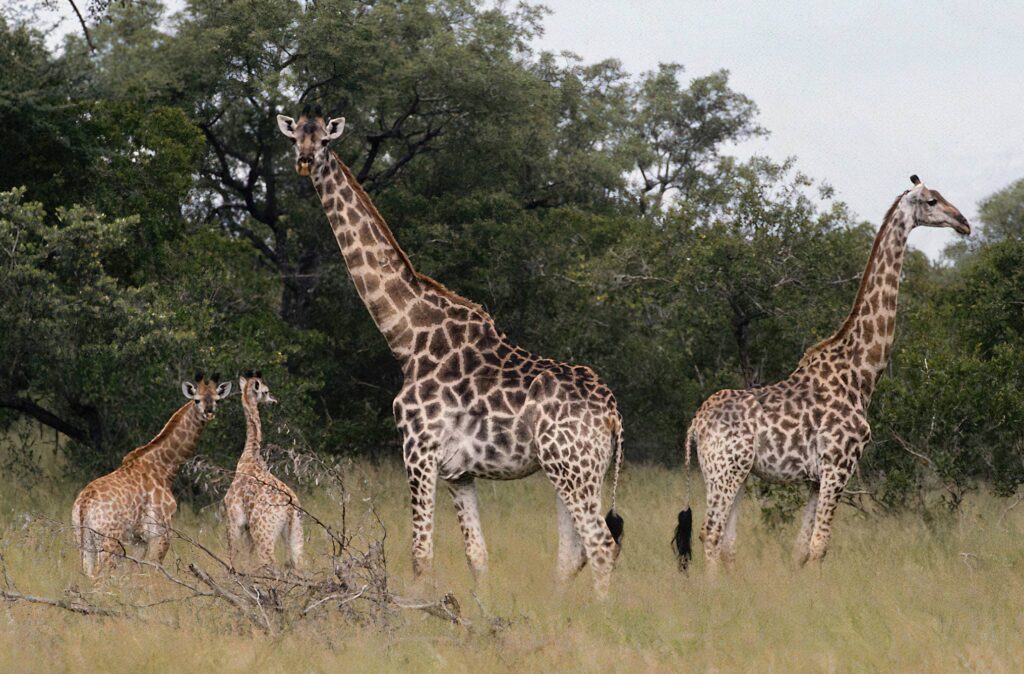
The park is renowned for its substantial population of elephants, zebras, and wildebeests. The Tarangire River serves as a vital source of pastures, attracting various creatures like as lions, cheetahs, monkeys, zebras, and others for hydration.
Lake Manyara National Park:
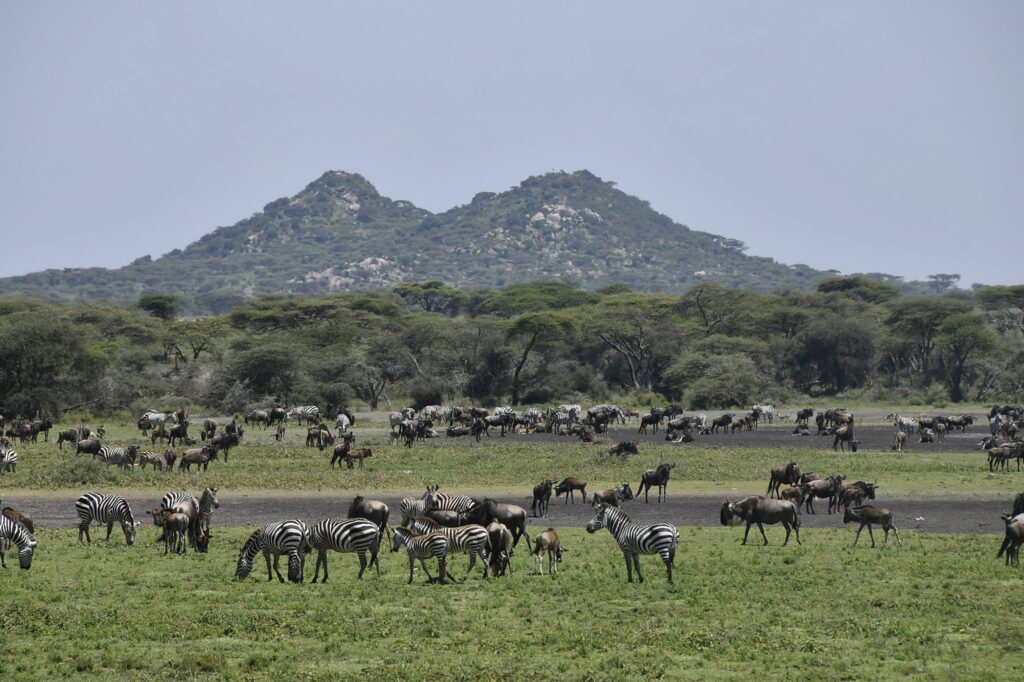
Lake Manyara is situated beneath the escarpment of the Rift Valley, characterized by highly diversified ecosystems, despite its modest area of 330 square kilometers, of which 200 are comprised of the lake itself. They encompass dense woods nourished by springs originating from the base of the Rift Valley, savannas, and wetlands adjacent to the lake. A multitude of animal species exists, including extensive colonies of baboons, vervet monkeys, many other monkey species, elephants, giraffes, and 380 species of birds. From December to March, designate fed swarms of pink flamingos, which then migrate to Lake Natron between June and October. Among the predators are several leopards and lions; the latter, disturbed by soil wetness and insects, have developed the uncommon behavior of climbing tree branches, a trait observed only in a few other regions among these large felines.
Ngorongoro Crater:
The Ngorongoro Crater is an exceptional ecosystem, unmatched globally. The remnants of an ancient volcanic cone, which collapsed approximately 2.5 million years ago, have formed the present caldera: a truncated cone that contains a “frying pan” measuring 16 by 20 kilometers, with elevated edges reaching about 600 meters above the ground, where a savanna has developed, supporting over 25,000 large animals. All the characteristic species of the region, with the exception of giraffes, which lack sustenance, inhabit the Ngorongoro Crater. The crater’s rim attains an elevation of 2300 meters above sea level, providing stunning vistas. The external inclines of the walls are enveloped by a thick primary forest canopy. In the evening, they arrive at the low grass plains, situated on the periphery of the Ngorongoro Conservation Area and Serengeti Park, typically in the region influenced by the renowned migration at this season.
Serengeti National Park:
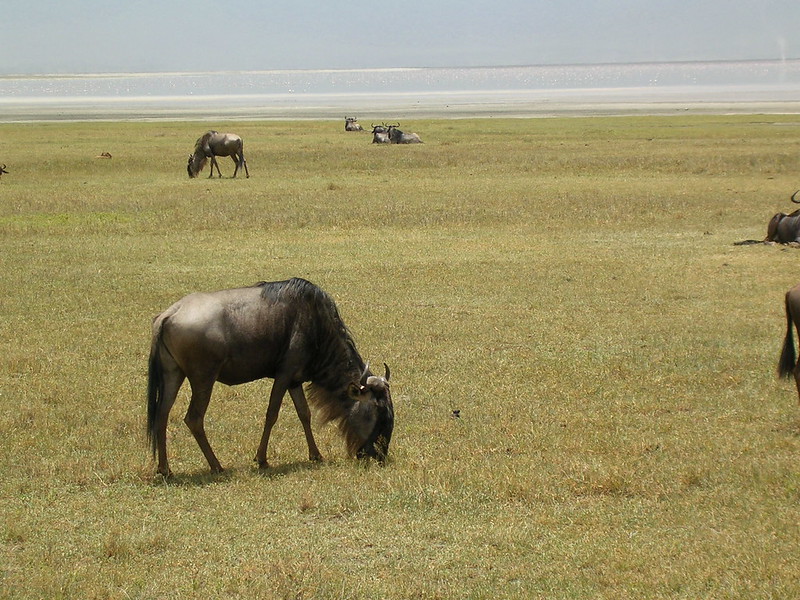
The Serengeti ecosystem hosts over 1.5 million wildebeest, 300,000 zebras, 500,000 Thomson’s gazelles, more than 2,700 lions, 1,000 leopards, 500 cheetahs, substantial herds of elephants, elands, impalas, waterbucks, giraffes, ostriches, and genets, while its waterways are inhabited by crocodiles and hippos; it is also home to over 400 avian species. The 15,000 square kilometers of Serengeti National Park constitute the largest segment of a more extensive ecosystem, which also encompasses the Ngorongoro Plains (the flat area in the Northeast of the Ngorongoro Crater, significant for the renowned migration and governed by the Ngorongoro Conservation Area) and the Maasai Mara (situated further north in Kenya). The orography, soil composition, and resultant vegetation provide unparalleled wildlife observations in Africa. The subsoil, particularly in the southern region, comprises volcanic rocks, which inhibit the growth of tall trees, resulting in the predominance of grasslands that facilitate visibility. Wildebeest and zebras of the Serengeti, perpetually seeking fresh pastures and water, are the principal participants in the world’s most extensive migratory movements of wild animals: the renowned Great Migration of the Serengeti, which occurs between December and March, impacts the central southern region of the park.
Day 1, Kilimanjaro Airport – Arusha
Arrival in Kilimanjaro, completion of entrance formalities, meeting with the guide, and transfer to Arusha. Evening Meal and Accommodation at Silver Palm Hotel
Day 2, Arusha – Tarangire National Park
After breakfast in the morning, retrieve lunch boxes from the resort and proceed to Tarangire National Park for wildlife drives. The park is renowned for its substantial population of elephants, zebras, and wildebeests. The Tarangire River serves as a vital source of meadows, attracting various creatures like as lions, cheetahs, monkeys, and zebras for hydration. Dinner and overnight accommodations will be at Fanaka Lodge.
Day 3, Farm of Dream Lodge – Manyara National Park
Departing from Arusha in the morning en route to Lake Manyara Park. Safari excursion within the park. Lake Manyara is situated beneath the escarpment of the Rift Valley, characterized by highly diversified ecosystems, despite its modest area of 330 square kilometers, of which 200 are comprised of the lake itself. They encompass dense woods nourished by springs originating from the base of the Rift Valley, savannas, and wetlands adjacent to the lake. A multitude of animal species exists, including extensive colonies of baboons, vervet monkeys, many other monkey species, elephants, giraffes, and 380 species of birds. From December to March, allocate feed swarms of pink flamingos, which then move to Lake Natron between June and October. Among the predators are several leopards and lions; the latter, disturbed by soil wetness and insects, have developed the uncommon behavior of climbing tree branches, a trait observed in just a few other regions among these large felines. The dinner and overnight accommodations will be at the Farm of Dream Lodge.
Day 4, Field of Dream – Ngorongoro Crater
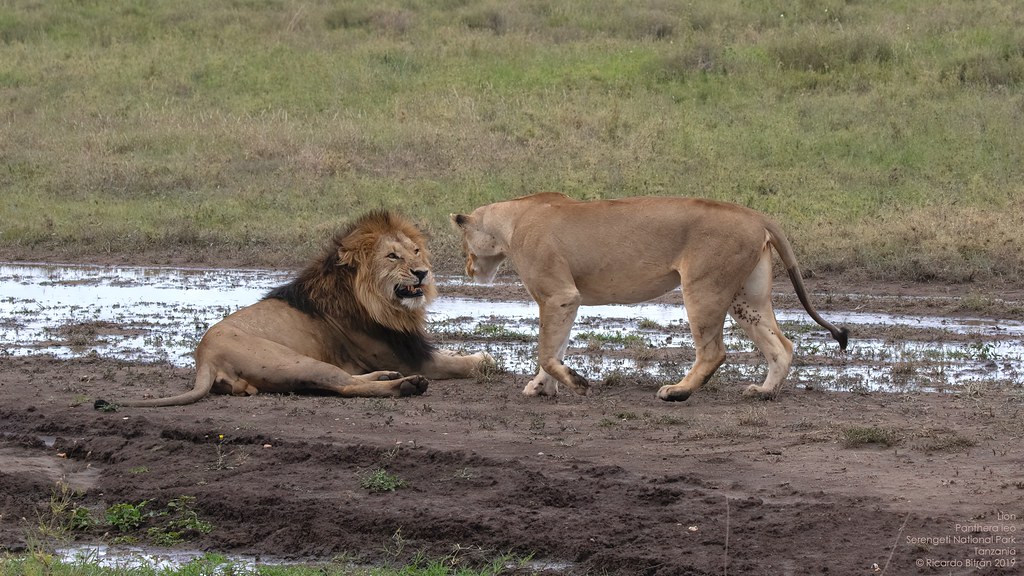
Expedition in the Ngorongoro Crater. The Ngorongoro Crater is an unrivaled environment globally. The remnants of an ancient volcanic cone, which collapsed approximately 2.5 million years ago, have formed the present caldera: a truncated cone that contains a “frying pan” measuring 16 by 20 kilometers, with elevated edges reaching approximately 600 meters above the ground, where a savanna has developed, hosting over 25,000 large animals. All the characteristic species of the region, with the exception of giraffes, which lack sustenance, inhabit the Ngorongoro Crater. The crater’s rim attains an elevation of 2300 meters above sea level, providing stunning vistas. The external inclines of the walls are enveloped by a thick primary forest canopy. In the evening, they arrive at the low grass plains, situated on the periphery of the Ngorongoro Conservation Area and Serengeti Park, typically in the region impacted by the renowned migration during this season. Mbugani will stay overnight at Ngorongoro Rhino Lodge.
Day 5, Ngorongoro – Serengeti National Park
Following breakfast, we to drive from Ngorongoro, engaging in wildlife drives en route to Serengeti National Park. Safari in the Park, the most renowned National Park in Tanzania, is also among the most celebrated globally. The Serengeti ecosystem hosts over 1.5 million wildebeest, 300,000 zebras, 500,000 Thomson’s gazelles, more than 2,700 lions, 1,000 leopards, 500 cheetahs, large herds of elephants, elands, impalas, waterbucks, giraffes, ostriches, genets, and streams inhabited by crocodiles and hippos; it is also home to over 400 bird species. The 15,000 square kilometers of Serengeti National Park constitute the largest segment of a more extensive ecosystem, which also encompasses the Ngorongoro Plains (the flat area in the Northeast of the Ngorongoro Crater, significant for the renowned migration and managed by the Ngorongoro Conservation Area) and the Maasai Mara (situated further north in Kenya). The orography, soil composition, and resultant vegetation provide unparalleled wildlife observations in Africa. The subsoil, particularly in the southern region, comprises volcanic rocks, which inhibit the establishment of tall trees, resulting in the predominance of grasslands and an open environment that facilitates sightings. Wildebeest and zebras in the Serengeti, perpetually seeking fresh pastures and water, are the protagonists of the most extensive migratory movements of wildlife globally: this is the renowned Great Migration of the Serengeti, which occurs between December and March, impacting the central southern region of the park. Accommodation in Serengeti Heritage Luxury Camp for one night.
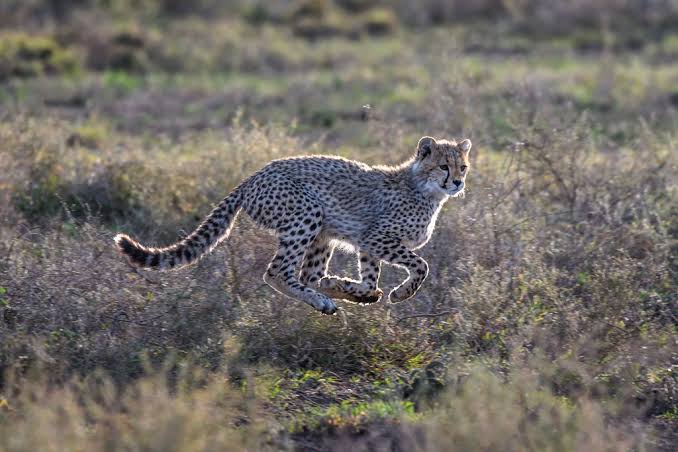
Day 6, Serengeti National Park
Two game drives will occur on this day. Prior to breakfast, you will embark on a sunrise game drive lasting approximately 2-3 hours, or alternatively, you may opt for a morning balloon safari. Following this, return to your lodge for breakfast and collect your lunch boxes. Subsequently, drive from Central Serengeti to Northern Southern Serengeti, observing resident and migratory herds. Lunch will be taken on the bus, after which you will continue with game drives for the remainder of the day until the evening, when you will return to your lodge for dinner and overnight accommodation.
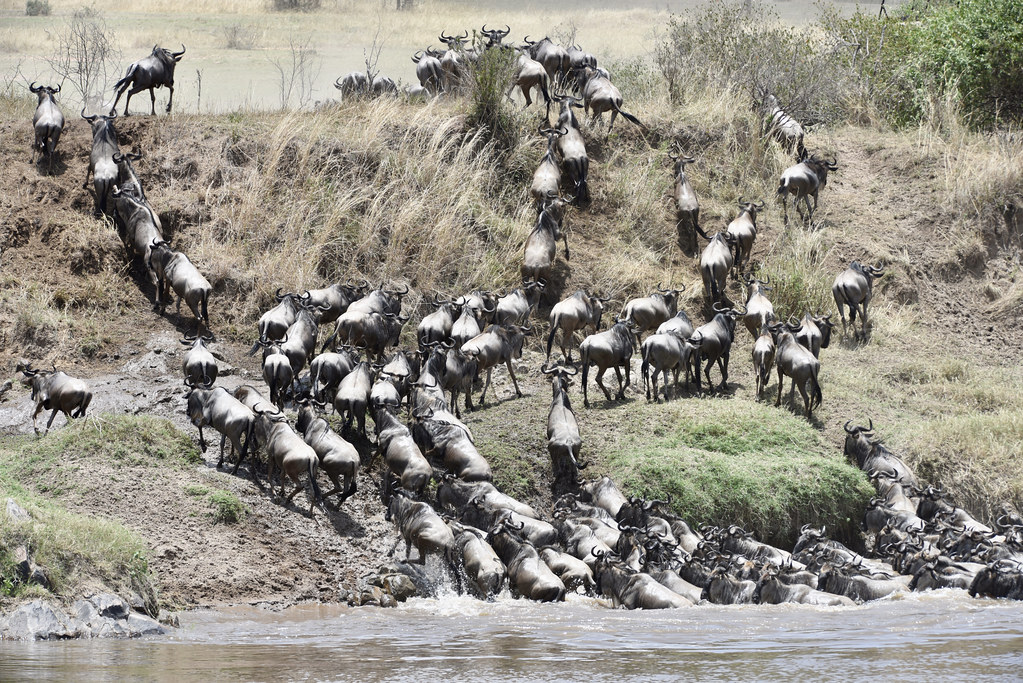
Day 7, Serengeti – Ngorongoro Conservation Area
Morning wildlife drive in the short grass plains of the southern Serengeti, specifically in the low herb areas to the south and southeast, followed by a drive through the Ngorongoro Conservation Area en route to the Arusha Silver Palm Hotel for dinner and overnight accommodation.
Day 8, Arusha National Park – Kilimanjaro Airport
Following breakfast, you will be transported to Arusha National Park for wildlife drives. The park is situated 28 kilometers from Arusha Town and 38 kilometers from Kilimanjaro Airport. Here, you will be able to observe buffaloes, giraffes, zebras, black and white monkeys, among others. In the afternoon, contingent upon your flight schedule, proceed to Kilimanjaro Airport for your return journey home.
Safari Includes;
- Pick up and drop Airport.
- Transportation 4×4 WD Land Cruiser
- Professional English speaking driver guide
- Bottled water and soft drinks
- Full Board Accommodation and all meals on safari
- All park entrances
- All activities
Safari not included;
- International flights
- Visas
- Laundry services
- Tips and gratitude