What is the meaning of Serengeti
What is the meaning of Serengeti ? Serengeti is a term derived from the Maasai language, utilized by the Maasai people to denote the vast, unending grasslands of the Serengeti. Locally, it was pronounced as “Siringet,” which posed a challenge for Europeans to articulate; hence, they altered it to Serengeti, with the idea staying unchanged: the boundless plains.
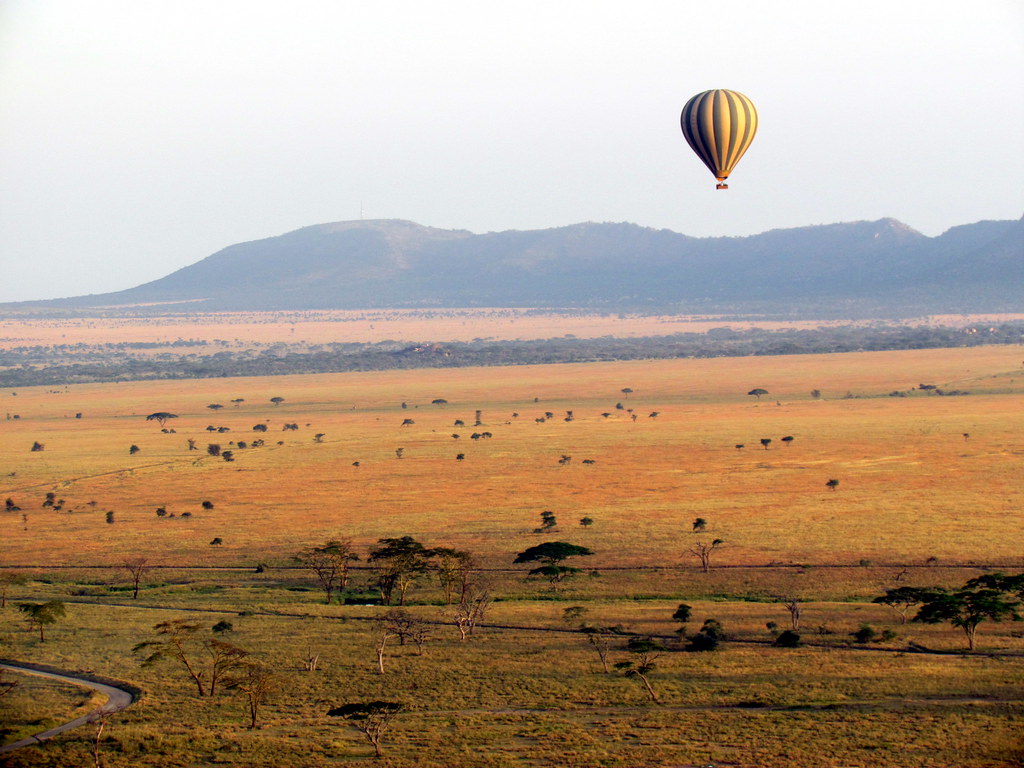
The Serengeti conservation area formerly encompassed a vast region, including the present-day Ngorongoro conservation area, Lake Manyara National Park, and Tarangire National Park. The Maasai warriors, who historically hunted in the region, maintained their cattle within the park until it was formally designated, at which point the local inhabitants were removed.
The majority of the residents were relocated to the Ngorongoro Conservation Area, where they still reside, while others dispersed to various regions, thereby isolating Tarangire and Lake Manyara National Parks and diminishing their size.
Serengeti National Park is situated in Tanzania, to the north of the tourist city of Arusha. The drive from Arusha to the Ngorongoro conservation area over a well-maintained tarmac road takes 7 hours, offering vistas of the Great Rift Valley, Lake Manyara, and Karatu. The park encompasses an area of 18,600 square miles, which is comparable to 30,000 square kilometers.
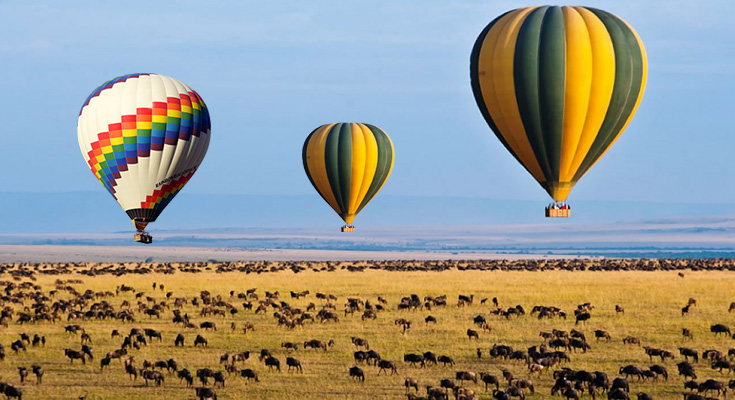
The park is renowned for the renowned annual migration of live animals occurring between the Masai Mara National Reserve and the park. The wildebeest is regarded as one of the seven marvels of Africa and one of the ten wonders of the world, distinguishing it from other parks not only in Tanzania but across the African continent.
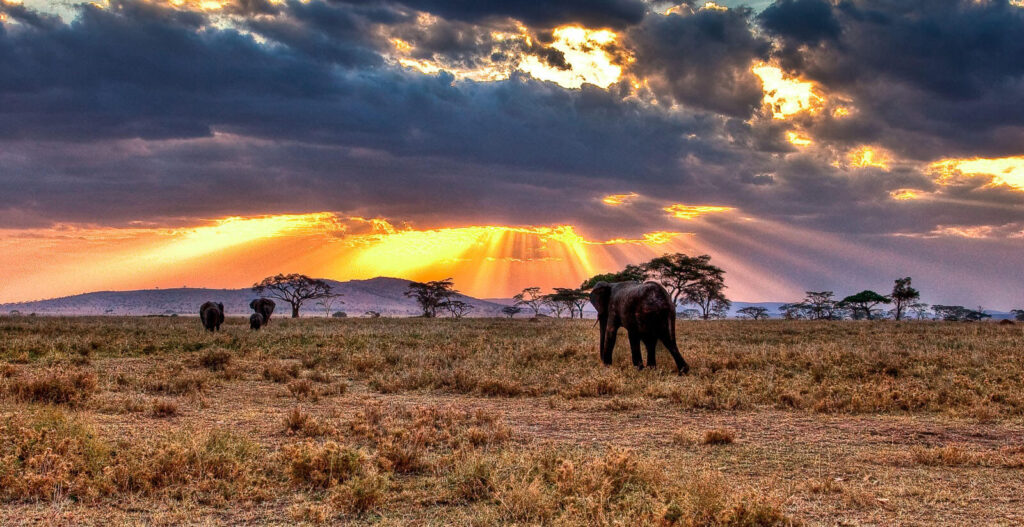
The Park is inhabited by wildebeest and various other species, including zebras, topi, antelopes, kobs, oribi, buffalo, elephants, leopards, and cheetahs. Notably, it is the only park in Africa with the largest concentration of lions.