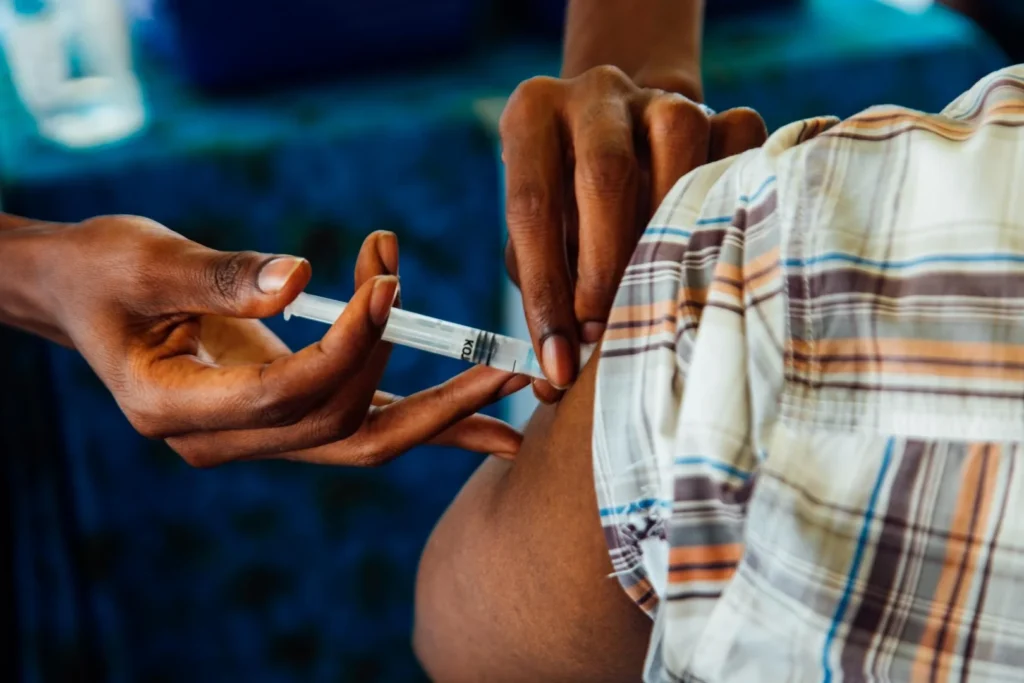
Vaccinations Required for Travel to Tanzania
Vaccinations Required for Travel to Tanzania, A visit to Tanzania is an exhilarating experience, abundant in wildlife, diverse cultures, and stunning landscapes. Before your travel to Serengeti, Zanzibar, or Kilimanjaro, you must prepare your health. Vaccinations are a crucial preparatory measure for travel that will ensure your safety and health during your journey. Here is the pertinent information regarding vaccinations before your safari in Tanzania.
The Significance of Vaccinations for Travel to Tanzania.
Tanzania, located in East Africa, experiences a higher prevalence of some infectious diseases compared to other global locations. Despite the country’s extensive efforts to protect the health of its residents, tourists remain susceptible to the disease unless they receive proper immunization.
Vaccinations will safeguard you against preventable diseases and fulfill the admission requirements set by the Tanzanian government. Furthermore, a prepared tourist does not suffer any extra medical fees and inconveniences when travelling.
Compulsory Vaccination Regulations
Tanzania mandates only one vaccination, the Yellow Fever vaccine, which is legally required for certain travelers. When exiting or transiting through a country where Yellow Fever poses a risk, you must provide proof of vaccination at the port of exit or entry. If your flight path includes a layover in Kenya, Uganda, or Ethiopia, you will need a Yellow Fever certificate. This must aid Tanzania in preventing epidemics while protecting both travelers and the local populace.
Recommended Vaccinations in Tanzania
Alongside Yellow Fever, several immunizations are strongly advised to safeguard your health:
Hepatitis A: This presents a risk to travelers via the contamination of food and drink. It is very advisable to have a Hepatitis A vaccination, as you are likely to sample local food and consume fresh produce.
Typhoid fever, a preventable food and water-borne disease, can be mitigated with vaccination. The risk escalates in the country or when ingesting street cuisine, which is favored by travelers.
Tetanus, Diphtheria, and Pertussis (Tdap): These are standard boosters; ensure you are current before to travel. Tetanus exposure occurs through minor cuts or wounds during hiking other outdoor activities.
Hepatitis B: Given that this disease is transmitted through blood and bodily fluids, the risk is rather low for the majority of tourists. However, it is recommended that anyone planning to reside in the country for extended durations, engage in medical activities, or maintain close interactions with local groups.
Rabies exists in Tanzania among both domestic and wild animals. A pre-exposure rabies vaccination is advisable if your trip entails outdoor activities, volunteering, or engagement with animals.
Prevention of Malaria in Tanzania
Malaria is not prevented by vaccination; yet, it remains a significant health issue for travelers in Tanzania. The nation is situated in a high malaria transmission area, especially in rural regions, national parks, and coastal locations like Zanzibar. To prevent infection, it is advisable for travelers to utilize antimalarial medications prescribed by a healthcare professional.
The predominant medications include Atovaquone-Proguanil (Malarone), Doxycycline, and Mefloquine, contingent upon your health condition and trip itinerary. Additionally, it is crucial to avert insect bites by employing mosquito repellents, donning long sleeves during the nighttime, and utilizing mosquito netting while sleeping.
When to Evaluate Your Vaccinations Prior to Travel
Vaccines are most effective when administered at the optimal time. Travelers should ideally consult a travel health clinic 6 to 8 weeks prior to departure. Certain vaccines, like Hepatitis B and Rabies, necessitate multiple shots over several weeks, whereas others require only a single injection. Proactive planning will enable you to avoid last-minute anxiety and guarantee comprehensive protection during your travels.
Guidelines for Travelers
These recommendations will be beneficial when organizing your journey to Tanzania:
Present your International Certificate of Vaccination (Yellow Card) if you have received the Yellow Fever vaccine, since it may be required at the airport if necessary.
Consult your physician regarding the possibility of receiving multiple vaccines concurrently to optimize time efficiency.
Bring a basic medical kit containing analgesics, rehydration salts, and insect repellant to enhance your comfort during the safari.
Consider obtaining travel insurance that includes medical evacuation coverage, especially when visiting remote safari locations or ascending Kilimanjaro.
Additional Health Precautions Beyond Vaccinations
Vaccines are essential; however, adopting healthy practices is also crucial to mitigate risk. Consume bottled or filtered water, sanitize your hands before meals, and exercise caution with raw foods, including salads and undercooked meat. While on safari or trekking, get adequate hydration, apply sunscreen, and refrain from touching wild animals. Tanzania is a secure destination, however maintaining health awareness will guarantee a worry-free experience.
Conclusion: A robust commencement to your Tanzanian expedition
Traveling in Tanzania is a once-in-a-lifetime event that requires thorough preparation. Vaccinations and malaria prophylaxis are prioritized on your checklist, alongside visas, packing, and Tanzania safari itineraries. Exercising caution will provide you the liberty to appreciate the magnificence of Serengeti wildlife, the shores of Zanzibar, or the challenge of ascending Mount Kilimanjaro. Consult your healthcare practitioner promptly, stay informed about needs, and travel assuredly knowing you are well protected.