Ngorongoro Crater Lion Population
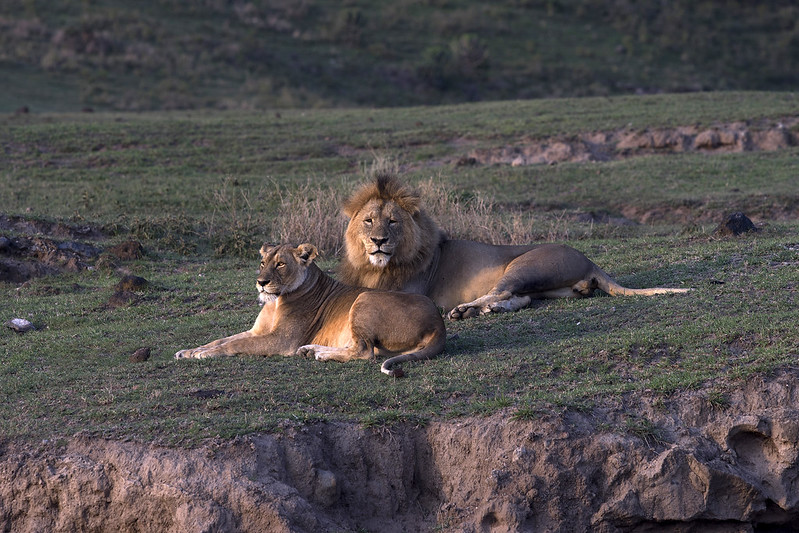
Ngorongoro Crater Lion Population: Ngorongoro Crater is a prominent safari destination in Africa, renowned for its biodiversity, stunning landscapes, and substantial predator population. The lion population constitutes the most intriguing inhabitants and is crucial to the crater’s ecology, serving as a global tourist destination. The understanding of Ngorongoro Crater lions not only offers insights into their unique behavior and challenges but also enhances the value of the Tanzania safari.
The Lion within a Distinct Population in a Natural Habitat.
The Ngorongoro Crater is a UNESCO World Heritage Site formed from a dormant volcano. It is a natural habitat for wildlife, encompassing an area of approximately 260 square kilometers characterized by high walls, meadows, lakes, and marshes. This geographical isolation has exerted a distinct influence on the lion population compared to other places, such as the Serengeti.
The crater hosts roughly 60 to 80 lions, representing one of the highest densities of lion populations in Africa relative to area. Game drive participants will nearly always observe lions, often at close range.
Behavior and Adaptations of Lions in Ngorongoro.
The Ngorongoro lions do not traverse extensive territories like those in open savannahs, as Ngorongoro is a confined ecosystem with a year-round food supply. They hunt wildebeest, zebra, buffalo, and gazelle that thrive on the crater floor. In confined territories, prides may be larger and coexist in closer proximity, leading to increased interaction and competition that can occasionally escalate into aggression. Male lions are recognized for marking their territory, which may overlap with that of others, leading to dramatic encounters often observed by safari tourists during game drives.
Their comparatively low propensity to move is another distinctive characteristic. While Serengeti lions pursue herds over extensive distances, Ngorongoro lions predominantly inhabit the crater, adapting to a sedentary existence with consistent access to food and water.
Challenges Faced by Ngorongoro Lions.
Despite the abundant prey, the lions of Ngorongoro Crater are facing significant challenges. The isolation of these species results in a significant issue, such as inbreeding. The limited genetic variants render these lions vulnerable to illnesses and reproductive complications. Historically, epidemics such as canine distemper and tick-borne infections significantly reduced their populations. Conservationists routinely monitor the population status and have deliberated the possibility of external importation of lions to augment genetic variety.
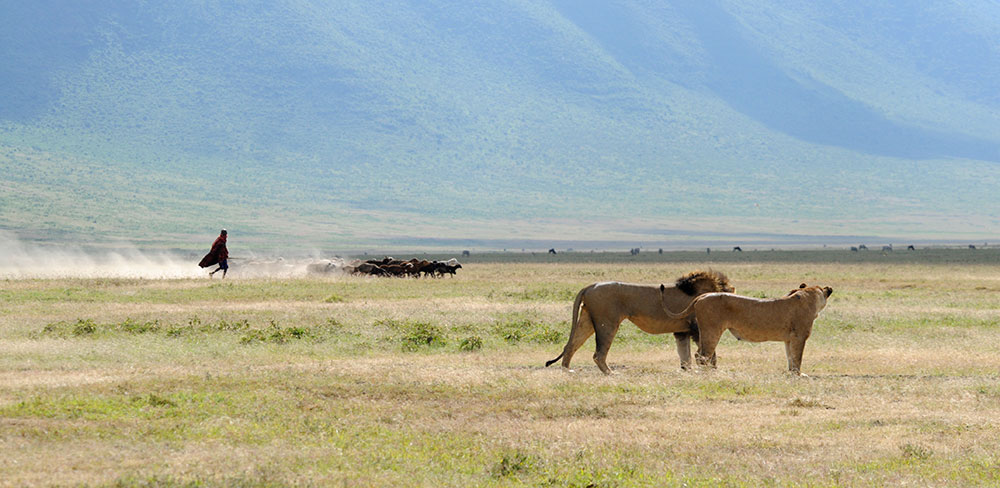
Human-wildlife conflict is a significant issue, particularly along the crater rim where Maasai pastoralists coexist with their livestock. Although the lions mostly remain within the crater, sporadic encounters may induce stress. Achieving equilibrium between conservation efforts and community needs is a vital challenge.
Ngorongoro Crater against Serengeti Lions
Many safari enthusiasts typically combine Ngorongoro Crater tours with Serengeti National Park safaris. The disparity between the two lion populations is significant. Serengeti lions monitor the great migration to prey on the seasonal movements of wildebeest and zebras.
They are expansive and face competitive challenges across wide areas. Conversely, Ngorongoro lions reside in a stable habitat, characterized by genetically compromised prides that depend on consistent prey. The observation of lions in these locations allows tourists to appreciate the diversity of lion behavior in East Africa.
Optimal observation of lions in Ngorongoro Crater.
The availability of constant water and a consistent food source enables the lion to be observed at Ngorongoro Crater year-round. However, the dry season from June to October is optimal for wildlife observation, as the grass is shorter and animals congregate around water sources.
A peaceful lion is often observed resting on the open plains or roaming throughout the early morning and evening hours. In the rainy season, the crater is lush and scenic, attracting fewer visitors, which enhances the exclusivity of the experience, although the grasses may occasionally hinder visibility.
Safeguarding and Forecasting.
The Ngorongoro Conservation Area Authority partners with several entities, including the Frankfurt Zoological Society, to assess lion populations and address risks. Research is presently focused on disease management, genetic diversity, and ecosystem equilibrium.
The preservation of the Ngorongoro lions necessitates a harmonious strategy integrating conservation, tourism, and the livelihoods of local communities. Revenue generated from ecotourism via safaris significantly contributes to funding these activities, making responsible travel crucial for the conservation of lions.
Safari Expedition: Observing Lions in Their Natural Habitat.
For the tourist, observing lions in the Ngorongoro Crater may be the pinnacle experience of a safari in Tanzania. Common sightings during morning game drives include prides resting on the crater floor, pups frolicking in the grass, and lionesses pursuing herds. The striking backdrop is created by the towering crater walls and breathtaking vistas, rendering no location in Africa superior to another. A combination of Ngorongoro with its adjacent Serengeti, Lake Manyara, or Tarangire National Park would provide a more thorough safari circuit, allowing travelers to compare diverse predator interactions.
In summary: The Crater Kings of Ngorongoro.
The Ngorongoro Crater lion species epitomizes both the splendor and vulnerability of African wildlife. Their visibility renders them a favorite among photographers and safari enthusiasts, while their genetic issues underscore the importance of conservation efforts.
Individuals planning a safari in Tanzania will not forget the intimate experience of observing these lions up close. By participating in eco-friendly excursions and conservation-focused operators, guests may directly contribute to the survival of the crater lions and ensure the continued prosperity of this rare predator’s habitat.